Scientists Unlock Why Some Stroke Survivors Recover Fully
A Hungarian actor lost his ability to speak after a stroke but returned to live theatre within a year. Scientists are now discovering why some brains make extraordinary recoveries while others struggle, opening doors to new treatments for the 100 million people living with stroke effects worldwide.
An actor suffered a stroke that stole his ability to speak, the cruelest blow imaginable for someone whose career depends on words. Within three months, he spoke his first words again. A year later, he voiced a commercial. Eventually, he returned to live theatre, delivering lines to audiences once more.
His remarkable recovery caught the attention of stroke specialist Sandor Nardai at Semmelweis University in Hungary. Stories like this happen, but they're rare. Only 35 percent of stroke survivors make a full recovery or live with minor impairments.
The numbers tell a sobering story. Almost 100 million people worldwide live with the after-effects of stroke, making it one of the leading causes of disability globally. Most survivors face profoundly life-altering challenges like paralysis, speech loss, behavioral changes, or cognitive problems.
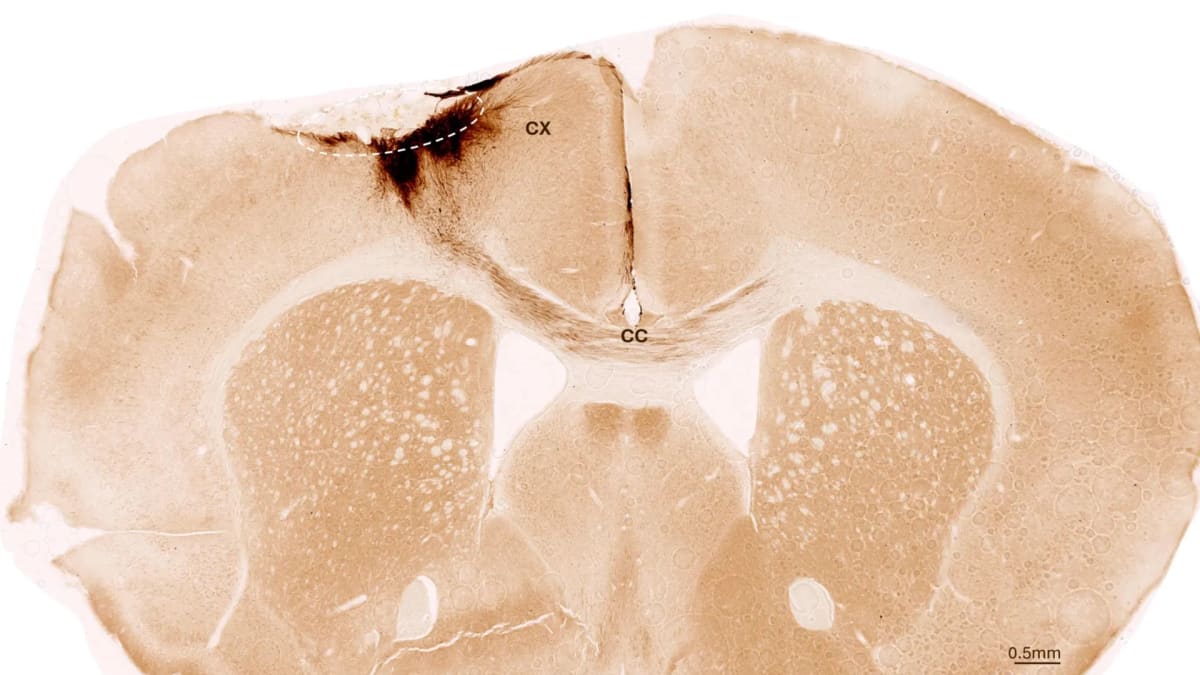
A stroke happens when a blood vessel in the brain bursts or gets blocked by a clot. Without oxygen, neurons die off rapidly, robbing people of their ability to reason, learn, communicate, and move. The immune system then floods the area with inflammation, potentially causing even more damage.
But here's where hope enters the picture. The brain possesses an extraordinary ability to transform and restore itself after injury. Some people, like the Hungarian actor, tap into this healing power more effectively than others.
Scientists are finally uncovering why some brains bounce back while others don't. This understanding is leading researchers to develop new treatments that could help more survivors access their brain's natural recovery abilities. The work focuses on enhancing the brain's own repair mechanisms rather than just managing symptoms.
Why This Inspires
Every stroke survivor's brain holds potential for recovery that we're only beginning to understand. The actor who lost his voice but found it again represents not just one success story, but a window into what might become possible for millions. As researchers decode the mechanisms behind recovery, they're not accepting disability as inevitable. They're fighting to give more survivors the chance to reclaim their lives, one neuron at a time.
The journey from silence to the stage took determination, but it also required a brain capable of rewiring itself in remarkable ways. Now science is working to make that journey possible for everyone.
More Images



Based on reporting by New Scientist
This story was written by BrightWire based on verified news reports.
Spread the positivity!
Share this good news with someone who needs it