Scientists Use Coffee to Activate Cancer-Fighting Gene Therapy
Researchers at Texas A&M have developed a way to control gene editing with caffeine, potentially allowing cancer and diabetes patients to activate treatment by drinking coffee. The breakthrough combines CRISPR technology with everyday compounds like caffeine and chocolate.
Imagine treating cancer or diabetes with your morning coffee. Scientists at Texas A&M University just made that possibility one step closer to reality.
Researchers have created a new gene therapy system that uses caffeine to switch on CRISPR gene editing inside the body. When someone drinks coffee or eats chocolate, the caffeine triggers specially designed proteins called "caffebodies" that activate healing changes in their cells.
The breakthrough, published in Chemical Science, works by programming cells in advance with molecular switches. Once installed, a tiny 20 mg dose of caffeine activates these switches to start editing genes that could fight disease.
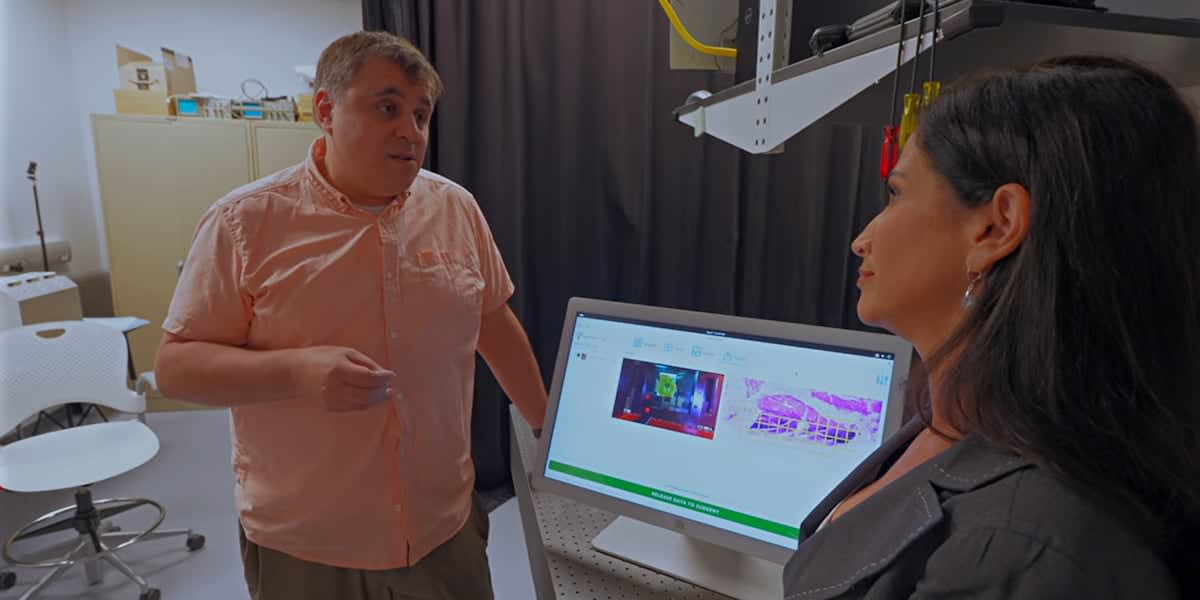
Dr. Yubin Zhou, who leads the Center for Translational Cancer Research, has spent his career finding smarter ways to control medicine at the genetic level. This time, his team discovered something remarkable: they can turn gene therapy on with coffee and off with another common drug called rapamycin.
The system gives doctors unprecedented control. Unlike traditional therapies that run constantly, this approach lets clinicians pause treatment when patients need a break from side effects, then restart it when conditions improve.
The technology could revolutionize how we activate T cells, the immune system's memory banks for fighting infections. Scientists have never been able to manually switch on these cells before. Now they can direct them to attack specific diseases like cancer.
In lab studies with animals, the team found that caffeine and theobromine (the compound in chocolate) both successfully triggered the gene editing response. The treatment window lasts a few hours while the body processes the caffeine, giving doctors time to make precise changes.
The Ripple Effect
The affordability of this approach could transform healthcare access. Coffee and chocolate are cheap and available everywhere, unlike expensive specialized drugs. Rapamycin, the "off switch" medication, is already widely available as a generic transplant drug.
For diabetes patients, the future could mean engineering cells that produce insulin on demand when you drink your morning coffee. For cancer patients, it could mean T cells programmed to attack tumors only when activated by everyday compounds, with fewer side effects than current therapies.
The team continues testing in animal models, refining how long the effects last and how precisely they can control the timing. Each successful experiment brings this coffee-powered gene therapy closer to human trials.
This breakthrough proves that breakthrough medicine doesn't always require breakthrough complexity. Sometimes the most powerful medical tools can be activated by the simplest daily rituals we already love.
More Images


Based on reporting by Phys.org
This story was written by BrightWire based on verified news reports.
Spread the positivity!
Share this good news with someone who needs it