Scientists Use DNA to Help Plants Survive Climate Change
Researchers in California are using cutting-edge genetic tools to identify and grow plants that can withstand extreme heat, drought, and changing ocean conditions. This new approach called conservation genomics could help save critical ecosystems before they disappear.
When climate change moves faster than evolution, scientists are learning to speed nature up.
Researchers at the Salk Institute in San Diego are sequencing plant DNA to find the toughest survivors in struggling ecosystems. Then they're using that genetic blueprint to guide which plants get replanted in restoration projects.
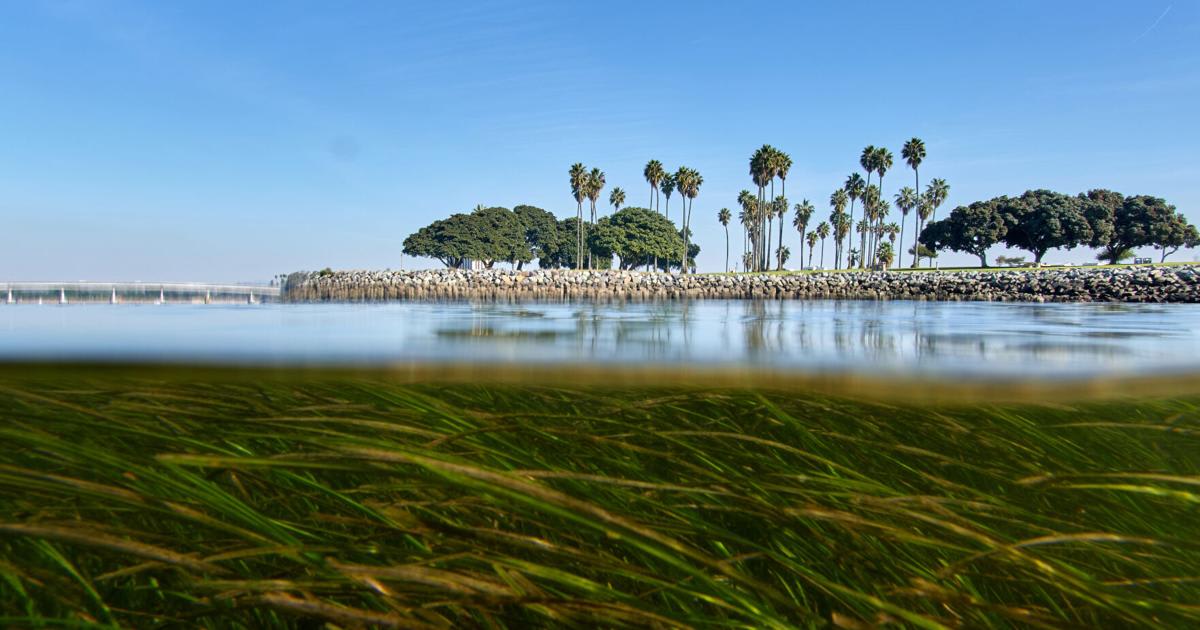
The approach is already showing promise in Southern California's underwater meadows. Eelgrass, a vital seagrass that feeds birds and locks away carbon, has been dying off as warming waters and coastal development cloud the bays where it grows.
Traditional replanting efforts were failing about half the time. Scientists couldn't figure out why some patches thrived while others withered in the same conditions.
Then researchers discovered something remarkable in Mission Bay. A natural hybrid eelgrass, created when two different species crossbred, was outperforming both its parents in murky water.
By reading its complete genome, the team found genes tied to the plant's internal clock that stayed active longer in low light. This likely helps the hybrid photosynthesize more efficiently when sediment clouds the water.
The discovery means restoration teams can now select plants with the right genetic traits for increasingly challenging conditions. Instead of guessing which eelgrass might survive, they can test its DNA first.
The Ripple Effect
The same genomic approach is being tested on coral reefs suffering from repeated heat waves. Scientists are identifying coral colonies that naturally withstand higher temperatures, then selectively breeding those tougher specimens to support reef recovery.
The technique could eventually help California's towering redwoods survive intensifying wildfires and droughts. Both redwood forests and seagrass meadows store massive amounts of carbon and support complex webs of life that countless species depend on.
Conservation genomics won't stop climate change, but it's buying time for ecosystems to adapt. By identifying which individual plants and animals have the genetic toolkit to survive, scientists can focus limited restoration resources on the specimens most likely to succeed.
The approach represents a shift from trying to preserve ecosystems exactly as they were to helping them evolve into what they need to become. It's nature conservation meeting modern medicine's playbook.
Evolution typically takes thousands of years, but this DNA-guided approach could help critical species adapt in just decades.
More Images


Based on reporting by Google News - Climate Solution
This story was written by BrightWire based on verified news reports.
Spread the positivity!
Share this good news with someone who needs it