Scientists Use Light to Make Ammonia With 98% Less Energy
Researchers just figured out how to produce ammonia using sunlight instead of massive amounts of fossil fuels, potentially slashing the 2% of global energy currently spent making fertilizer. The breakthrough could transform how we feed the world while fighting climate change.
📺 Watch the full story above
A team of scientists has cracked the code on producing ammonia using light instead of the energy-guzzling process that currently powers global food production.
Researchers at the National Laboratory of the Rockies partnered with three universities to develop a system that uses sunlight or LED lights to create ammonia, the essential ingredient in fertilizers feeding billions of people. Right now, making enough ammonia for the world's crops requires 2% of all energy produced globally.
The traditional method, called Haber-Bosch, needs extreme heat and pressure to convert nitrogen from the air into usable ammonia. It's been the backbone of industrial agriculture for over a century, but it comes with a hefty environmental price tag.
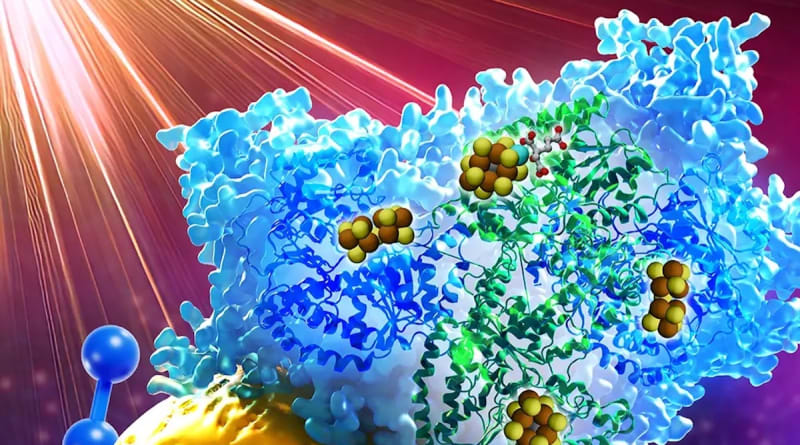
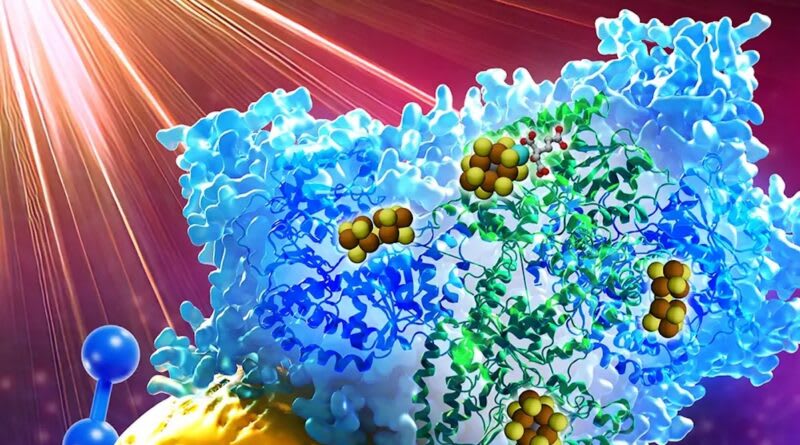
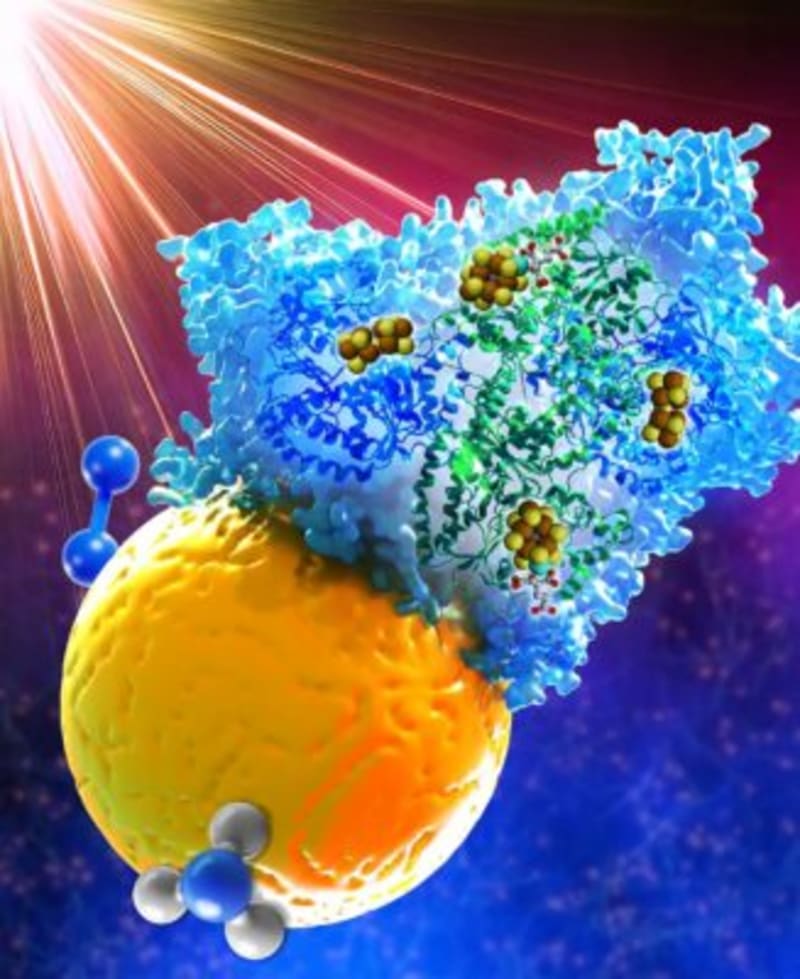
The new approach mimics nature instead of fighting it. The team uses tiny crystals called cadmium sulfide nanocrystals paired with an enzyme called nitrogenase, the same protein that bacteria in soil use to create ammonia naturally. When light hits these crystals, they generate high-energy electrons that power the ammonia-making reaction at room temperature.
The real breakthrough came when the researchers figured out how to keep those electrons flowing efficiently. They discovered that molecules called hole scavengers prevent energy loss by filling tiny gaps left behind when electrons jump to work. By adjusting the concentration of these scavengers, they can dial in the perfect conditions for maximum ammonia production.
"Ammonia is a valuable commodity chemical and also a potential fuel, feedstock, and energy storage candidate," said David Mulder, a bioenergy researcher at NLR. Understanding how these enzymes operate could lead to technologies that dramatically lower the massive energy intensity of ammonia production.
The team used a specialized microscope technique called electron paramagnetic resonance spectroscopy to watch the reaction happen in real time, capturing individual steps like freeze-frames in a movie. This allowed them to build a model predicting exactly what conditions create the most ammonia with the least wasted energy.
The Ripple Effect
This discovery arrives at a crucial moment for global agriculture and climate action. Fertilizer production is a major contributor to greenhouse gas emissions, and demand keeps growing as the world population increases.
Beyond farming, ammonia produced this way could serve as clean fuel for ships, replacing diesel in the maritime industry. It can also store renewable energy, soaking up excess electricity from solar and wind farms when the sun shines bright or winds blow strong.
The research, funded by the U.S. Department of Energy and published in Cell Reports Physical Science, opens the door to distributed ammonia production. Instead of massive centralized factories, communities could eventually make their own fertilizer using local sunlight, reducing transportation costs and emissions.
Making the chemicals that feed the world just got a whole lot greener.
More Images


Based on reporting by CleanTechnica
This story was written by BrightWire based on verified news reports.
Spread the positivity!
Share this good news with someone who needs it