Scientists Use Poop DNA to Save World's Rarest Marsupial
Australia's Gilbert's potoroo, once thought extinct, has just 150 survivors in one location. Now researchers are using DNA from droppings to find new safe homes for the rabbit-sized marsupial.
A tiny marsupial that vanished for nearly a century is getting a second chance at survival, thanks to what scientists found in its poop.
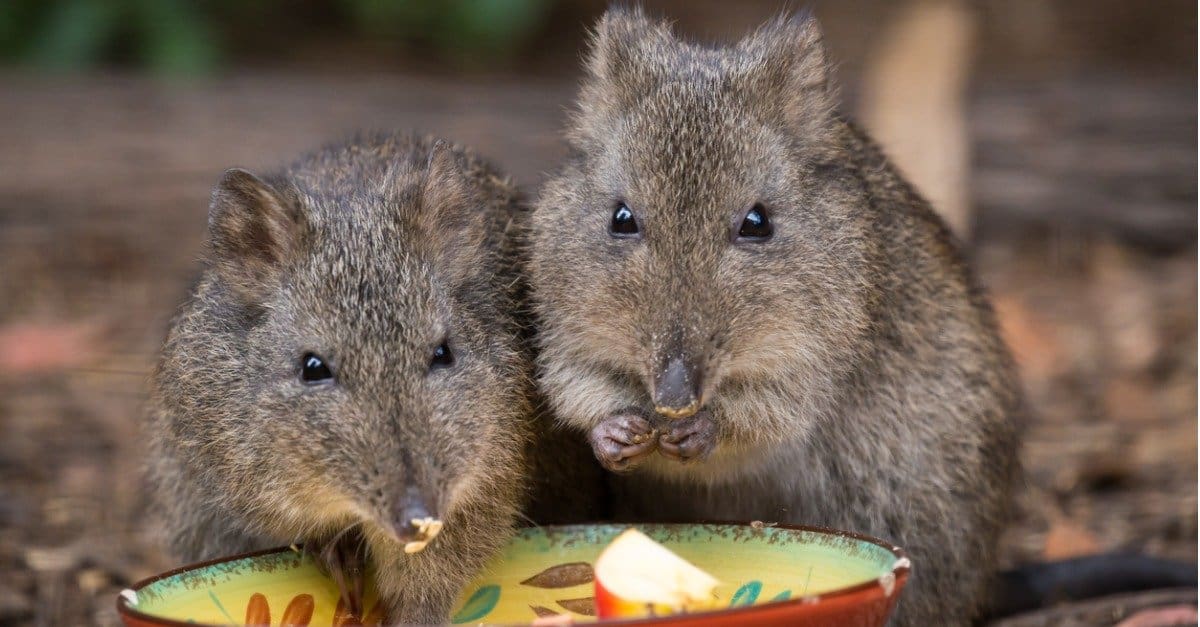
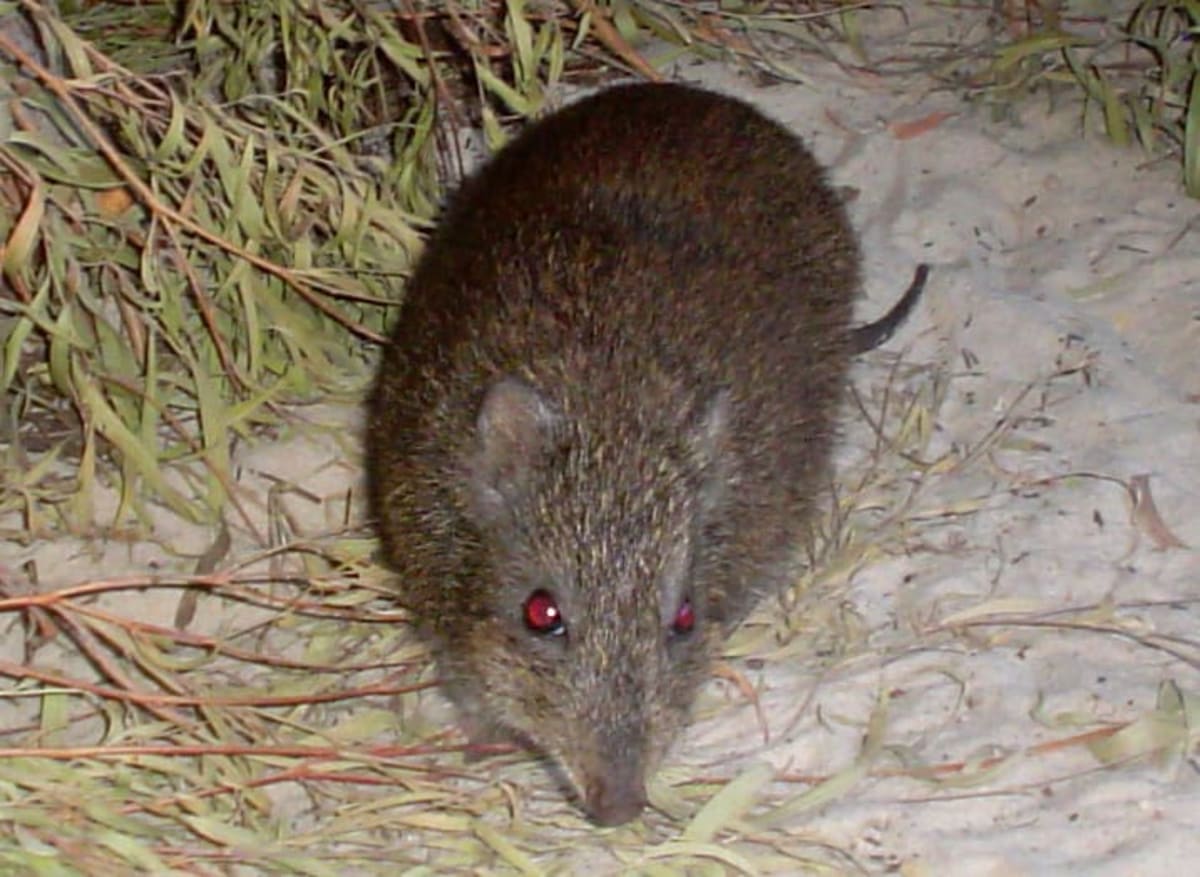
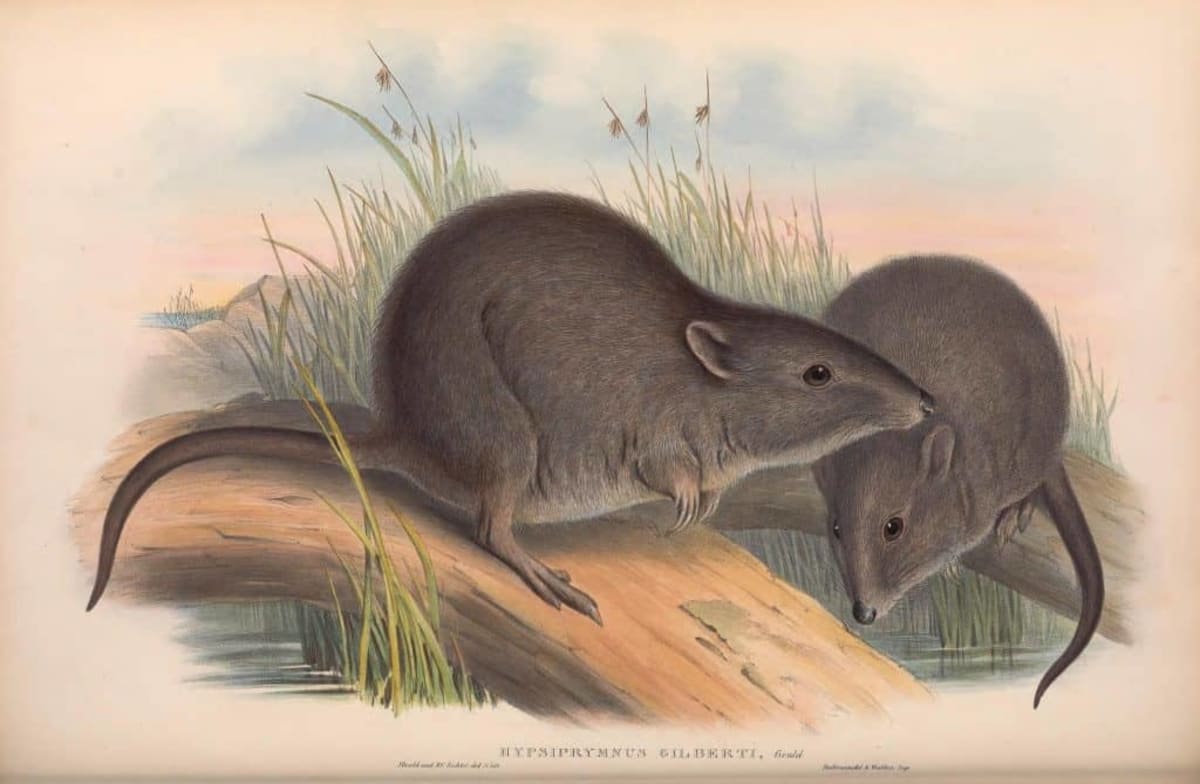
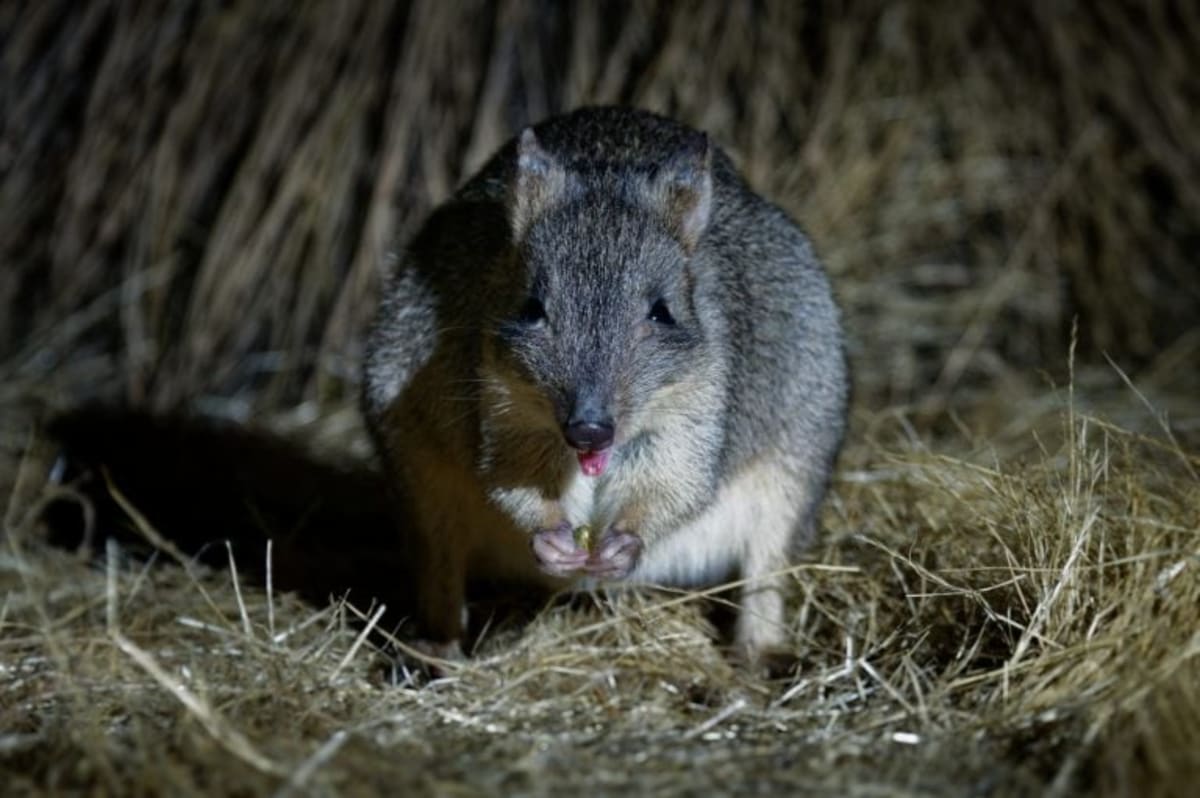
Only about 150 Gilbert's potoroos remain on Earth, all living in one spot at Mount Gardner in Western Australia's Two Peoples Bay Nature Reserve. The rabbit-sized creatures were declared extinct in the early 1900s after habitat loss and invasive predators devastated their population. When researchers rediscovered them in 1994, it felt like finding a ghost.
But having every single potoroo in one place creates a terrifying risk. A 2015 bushfire wiped out 90% of their habitat, and conservationists know another major fire could erase the species entirely.
Moving the potoroos to multiple locations seems like an obvious solution, but there's a catch. These picky eaters survive on a diet that's 90% fungi, specifically underground truffles that grow only in unburnt vegetation. Scientists didn't know exactly which fungi the potoroos needed or where to find it.
That's where the poop comes in. Researcher Rebecca Quah and her team collected fresh potoroo droppings and used DNA analysis to decode exactly what the marsupials eat. The technique, called metabarcoding, reveals diet secrets without disturbing the animals at all.
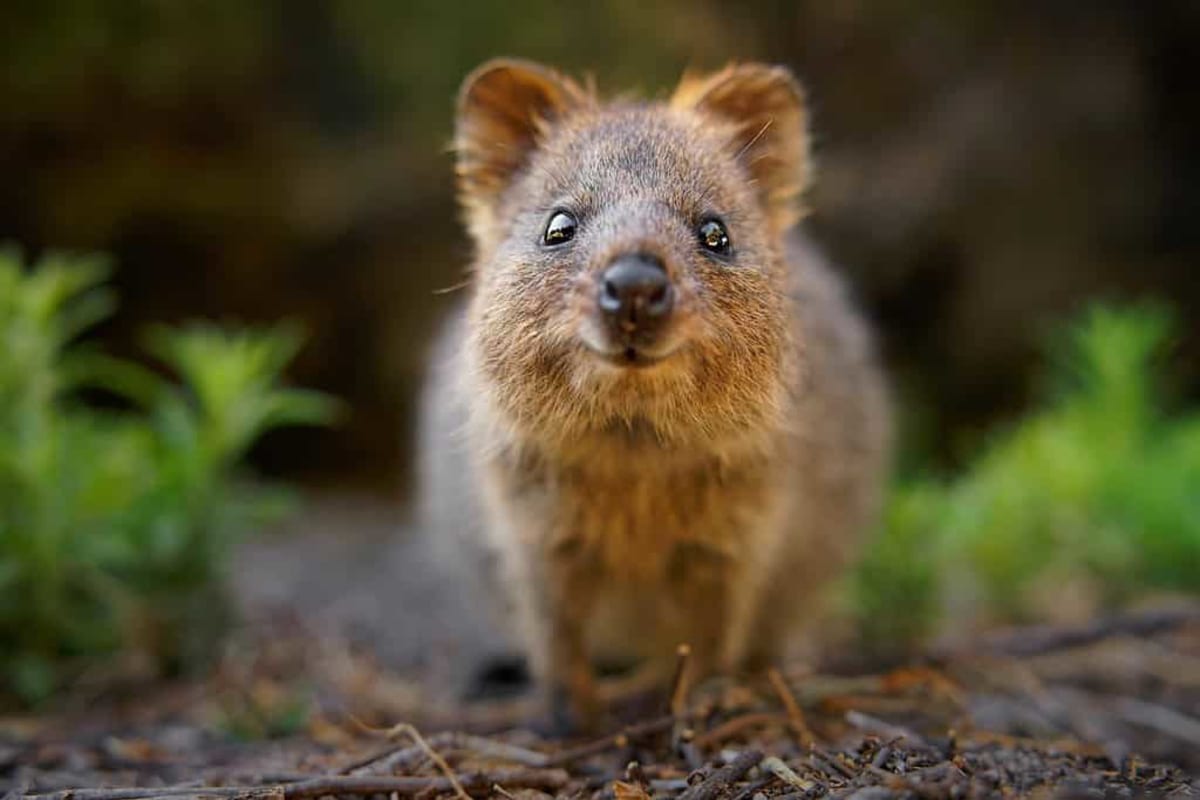
The team compared potoroo scat with droppings from quokkas, quendas, and bush rats. The discovery was a game changer. These other animals eat similar fungi and thrive in habitats that could work perfectly for potoroos too.
Why This Inspires
This breakthrough shows how creative thinking can solve conservation puzzles that once seemed impossible. When captive breeding failed because the potoroos were too finicky about food, scientists didn't give up. They got creative.
The potoroos also do important work for their ecosystem. By digging for truffles, they turn soil and spread fungal spores that help plants grow. Saving them means protecting entire forest communities.
Now conservationists have a roadmap for finding suitable new homes. By identifying areas where similar fungi-eaters already live, they can establish backup populations across multiple locations. If disaster strikes one habitat, the species will survive in others.
A marsupial that disappeared for 94 years is teaching us that extinction doesn't have to be forever.
More Images
Based on reporting by Google: species saved endangered
This story was written by BrightWire based on verified news reports.
Spread the positivity!
Share this good news with someone who needs it