Scientists Use Sugar to Kill Antibiotic-Resistant Bacteria
Australian researchers discovered how to weaponize special sugar molecules to destroy deadly drug-resistant bacteria, offering hope for infections that no longer respond to antibiotics. The breakthrough could save countless lives in hospitals worldwide.
Scientists just figured out how to turn sugar into a weapon against some of the world's deadliest bacteria.
Australian researchers have cracked the code on targeting a notorious group of drug-resistant bacteria called ESKAPE. These six types of bacteria cause hard-to-treat infections in hospitals and have learned to dodge most antibiotics we throw at them.
The breakthrough centers on special sugars called pseudaminic acids. These sugars only exist in certain bacteria, where they help the bugs move around, stick to human tissue, and hide from our immune systems.
For years, scientists struggled to study these sugars because they could only observe them on living bacteria in complex mixtures. The Australian team solved this by building the sugars from scratch in their lab.
They then coated the artificial sugars onto short protein chains and used them to train antibodies to recognize the real thing. Think of it like teaching guard dogs to identify a specific scent, even when it's mixed with dozens of other smells.
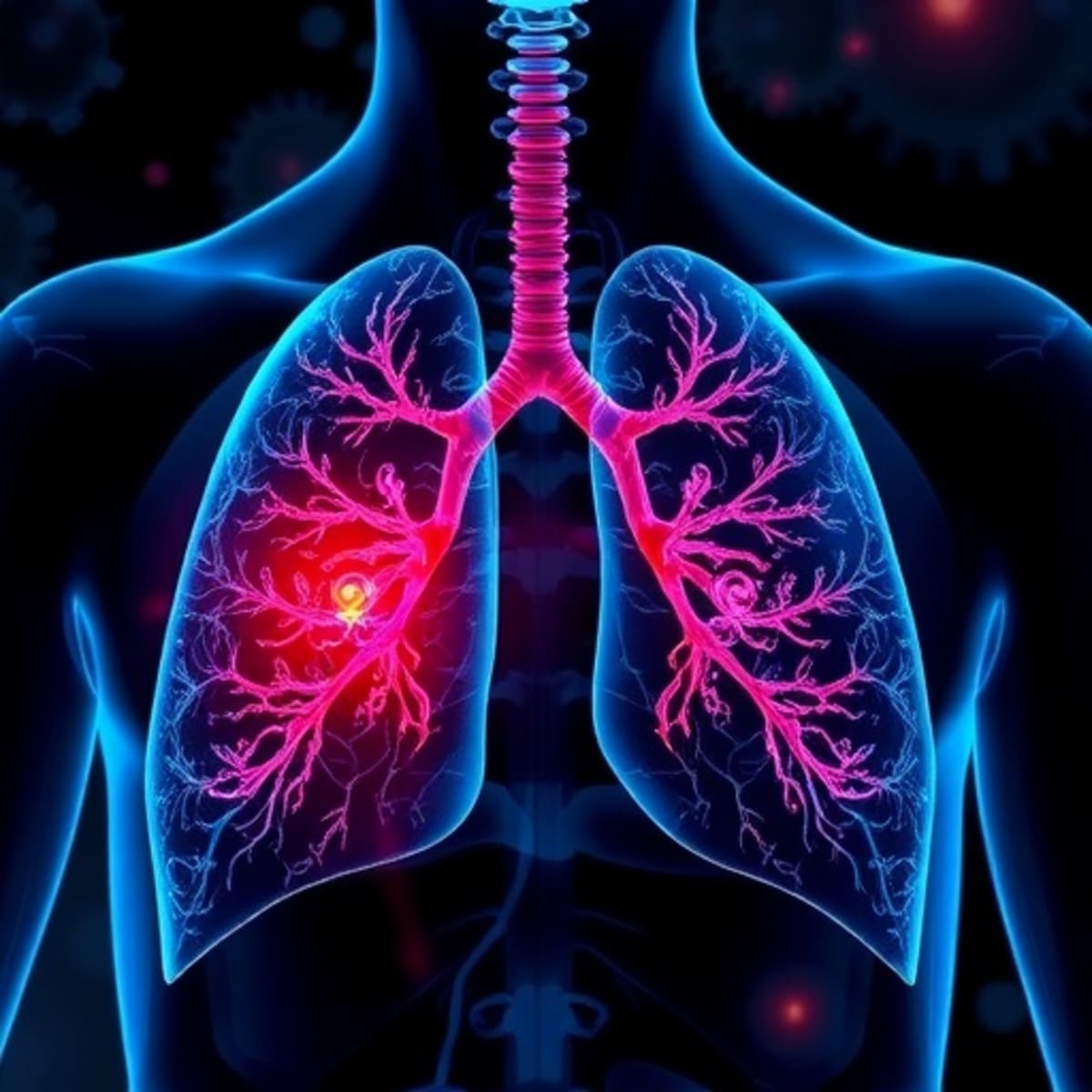
When they tested these trained antibodies in mice infected with Acinetobacter baumannii, one of the most dangerous ESKAPE bacteria, the results amazed them. The antibodies eliminated the infection completely, protecting the mice from pneumonia and bloodstream infections.
The sugar molecules acted like bright beacons, guiding the antibodies straight to their bacterial targets. No confusion, no collateral damage to healthy cells.
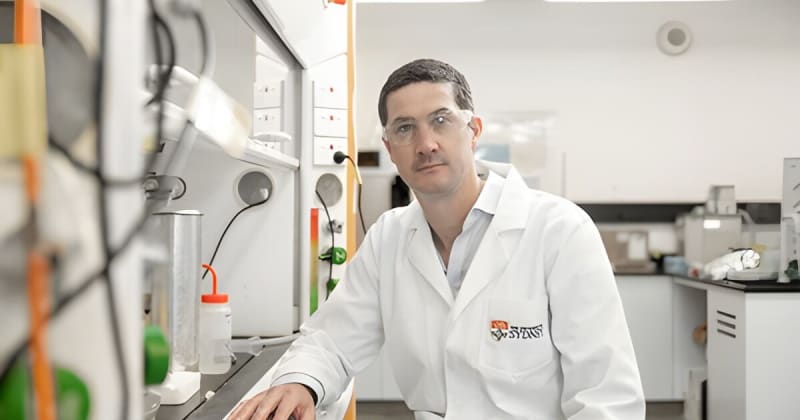
"Multidrug resistant Acinetobacter baumannii is a critical threat faced in modern healthcare facilities across the globe," said researcher Ethan Goddard-Borger. Some infections now resist even our last-resort antibiotics.
The Ripple Effect
This discovery opens doors far beyond just one type of bacteria. The same sugars coat other dangerous pathogens including those that cause food poisoning and stomach ulcers.
The team can now map exactly where these sugars appear on different bacteria and how they change. That knowledge feeds directly into better diagnostic tests and new treatments.
Hospitals could one day use this approach to stop infections before antibiotics even enter the picture. Patients with weakened immune systems, who face the highest risk from these superbugs, would gain a powerful new defense.
The researchers plan to spend the next five years developing an actual immunotherapy drug for human use. If successful, they'll eliminate at least one letter from the deadly ESKAPE acronym.
Even sweeter? The approach could work against the other five bacteria in the group too.
More Images

Based on reporting by New Atlas
This story was written by BrightWire based on verified news reports.
Spread the positivity!
Share this good news with someone who needs it