Scientists Watch Alzheimer's Protein Clumping Reverse
Oregon State University researchers caught Alzheimer's protein clumping in action and found a way to reverse it. Their breakthrough could lead to treatments that undo brain damage instead of just slowing it down.
For the first time, scientists have watched the chemical process behind Alzheimer's disease happen in real time, and what they discovered offers something families have desperately needed: genuine hope for reversal.
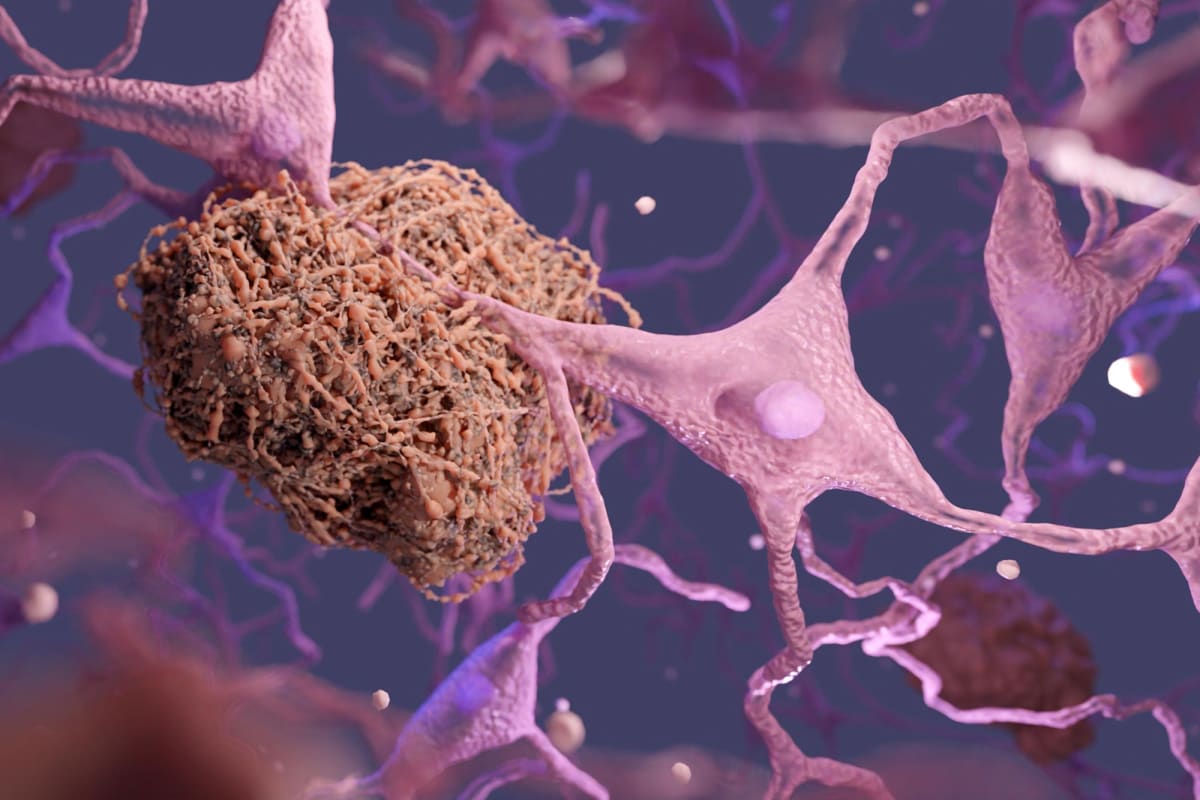
Marilyn Rampersad Mackiewicz and her team of undergraduate researchers at Oregon State University did something others have struggled to achieve. They tracked exactly how metal ions trigger the protein clumping that breaks down communication between brain cells in Alzheimer's patients, second by second.
Alzheimer's affects millions of older adults and ranks as the sixth leading cause of death for people over 65. The disease slowly steals memory and thinking skills, devastating both patients and their families.
Scientists have long known that amyloid-beta proteins cluster together in the brains of Alzheimer's patients. They've also known that metals like copper, while essential for normal brain function, can cause problems when levels get unbalanced.
What they couldn't see before was how this actually happens. Most experiments only showed the end result, like finding the ashes after a fire without ever seeing the flames.
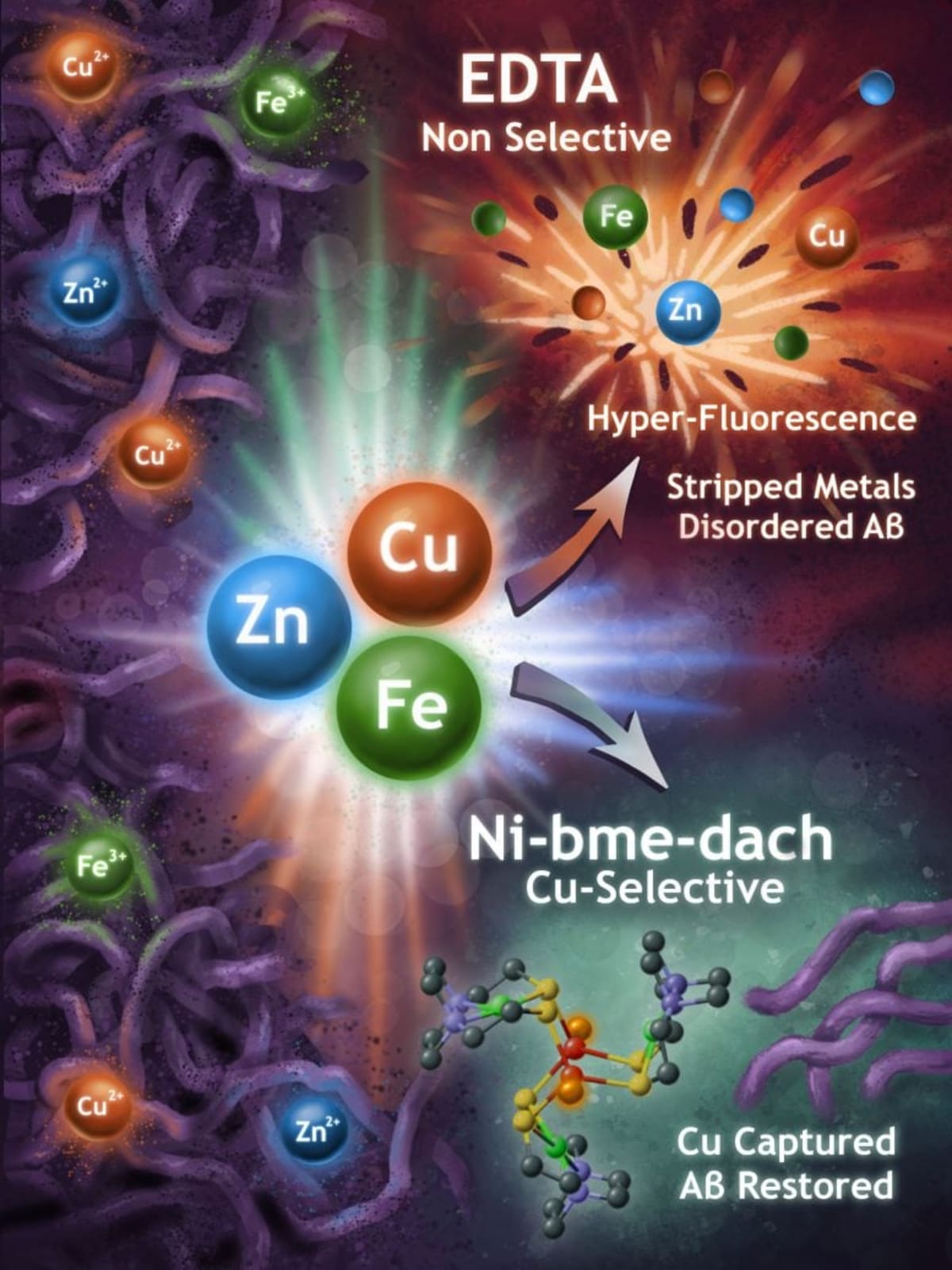
Using a technique called fluorescence anisotropy, the Oregon State team watched these interactions unfold live. They tested molecules called chelators, which grab onto metal ions like tiny molecular claws.
One chelator worked, but grabbed all metals indiscriminately. The second chelator changed everything. It specifically targeted copper ions, the ones most linked to Alzheimer's protein buildup, and it didn't just stop the clumping. It reversed it.
The Bright Side
The real breakthrough isn't just understanding how protein clumping happens. It's discovering that the right approach might actually undo some of the damage.
"With the correct targeting, some of the brain damage might be reversible," Mackiewicz said. That shifts the entire conversation from managing decline to potentially restoring function.
The research provides a roadmap for creating medications that know exactly which targets to hit and which to leave alone. Many potential Alzheimer's treatments have failed because scientists didn't fully understand how protein aggregation occurs.
The next phase involves testing these findings in more complex biological systems, including cellular and preclinical models. Clinical treatments based on this work remain years away, but the foundation has been laid.
Support from the SURE Science Program and private donors made it possible for five undergraduate students to contribute to this potentially life-changing research. Sometimes the biggest breakthroughs come from watching closely enough to see what everyone else has missed.
More Images
Based on reporting by Google News - Scientists Discover
This story was written by BrightWire based on verified news reports.
Spread the positivity!
Share this good news with someone who needs it