Scientists Win $3M Prize for Sickle Cell Gene Therapy
Two researchers just won a $3 million Breakthrough Prize for discoveries that led to gene therapies functionally curing sickle cell disease and beta-thalassemia. Their work identified a genetic switch that helps patients' bodies produce healthy blood cells again.
Imagine living with pain so severe it's called a "crisis" and exhaustion that never ends. That's been the reality for millions of people with sickle cell disease, an inherited blood disorder that mostly affects communities in sub-Saharan Africa and India.
But thanks to two scientists who just won a $3 million Breakthrough Prize, there's now a functional cure. Stuart Orkin from Harvard Medical School and Swee Lay Thein from the National Institutes of Health spent decades unlocking the secret to fixing these devastating blood diseases.
Here's what they discovered. Every human makes two types of hemoglobin, the protein in red blood cells that carries oxygen through our body. Before birth, we make a fetal form that's super efficient at grabbing oxygen from mom's circulation. After birth, our bodies switch to making the adult form.
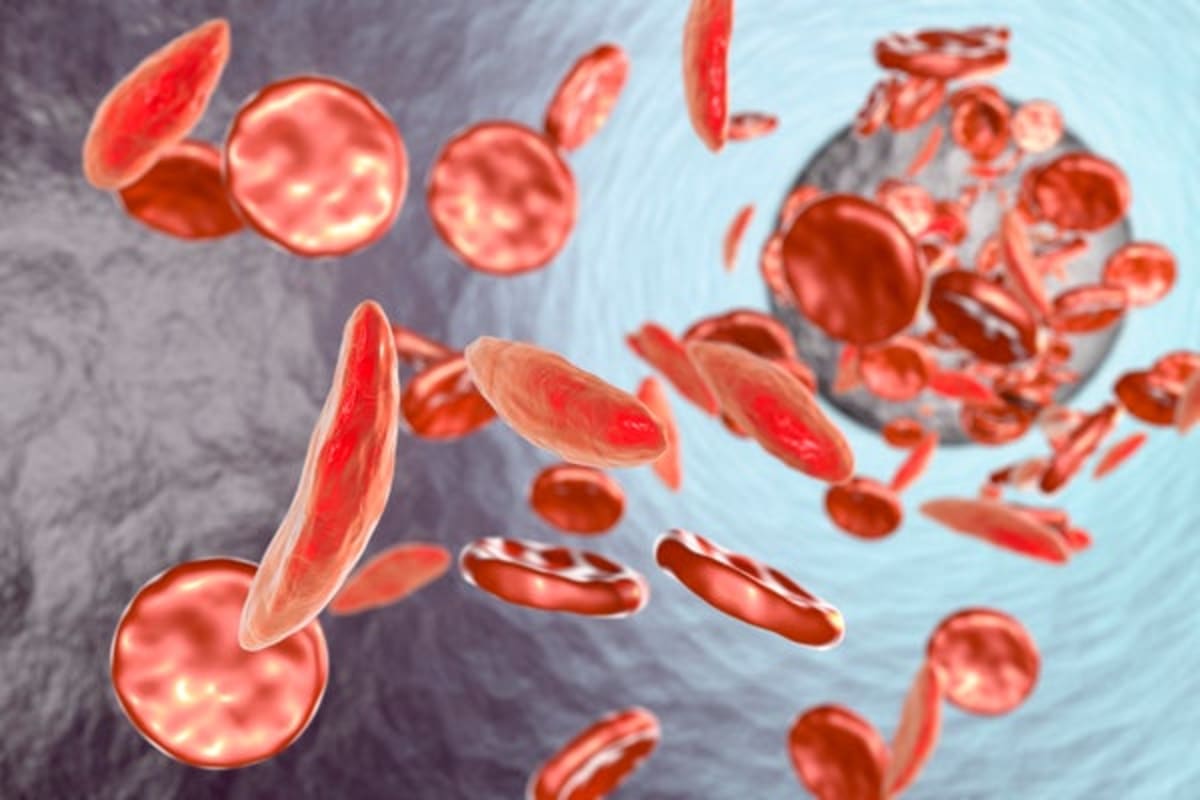
People with sickle cell disease have a mutation that makes their adult hemoglobin produce sickle-shaped red blood cells instead of healthy round ones. Those misshapen cells cause unbearable pain and fatigue. People with beta-thalassemia don't make enough adult hemoglobin at all, requiring lifelong blood transfusions.
The breakthrough came from studying rare families where some people with these conditions stayed surprisingly healthy. Thein noticed these lucky patients naturally kept producing high levels of fetal hemoglobin, which worked just fine in their adult bodies.
The scientists tracked down BCL11A, the gene responsible for switching off fetal hemoglobin production after birth. By turning off this genetic switch, they found they could coax the body to keep making healthy fetal hemoglobin instead of faulty adult hemoglobin.
Companies developed gene therapies based on this discovery, and the results from clinical trials are remarkable. Patients with sickle cell disease saw their pain crises completely disappear during the study period. Those with beta-thalassemia no longer needed blood transfusions or bone marrow transplants.
The Ripple Effect
The impact goes beyond individual patients. These therapies prove that understanding how our genes naturally regulate themselves can unlock cures for diseases once thought untreatable. The same approach might work for other genetic conditions.
However, there's still work to do. These treatments remain expensive and inaccessible to many people in the regions where sickle cell disease hits hardest. The next challenge is making these life-changing therapies available to everyone who needs them.
What started as a simple question about why some patients stayed healthier than others became two decades of detective work that changed medicine forever.
More Images



Based on reporting by Scientific American
This story was written by BrightWire based on verified news reports.
Spread the positivity!
Share this good news with someone who needs it