Scotland Maps Home Energy Use With AI and Satellite Images
Scottish researchers developed a fast, affordable way to assess home energy efficiency using satellite images and AI. The breakthrough could help millions of households reduce energy bills while fighting climate change.
Scientists in Scotland just made it easier and cheaper to figure out which homes waste the most energy.
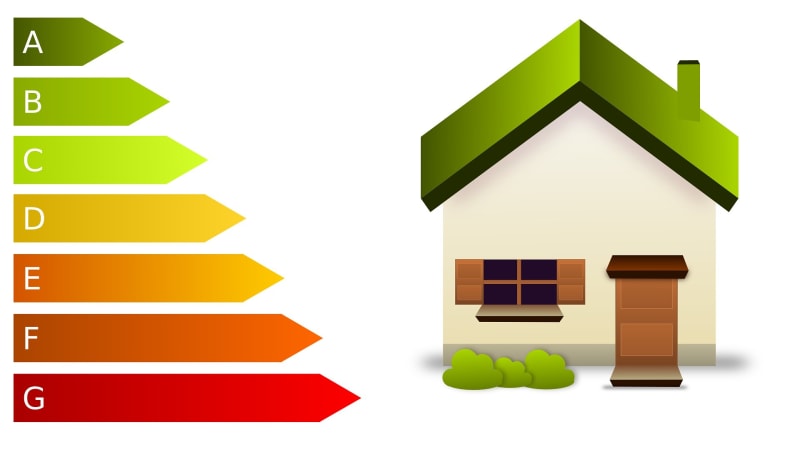
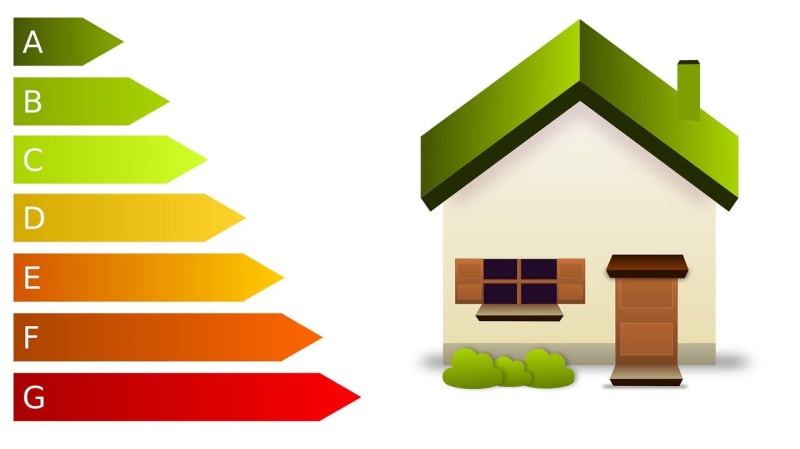
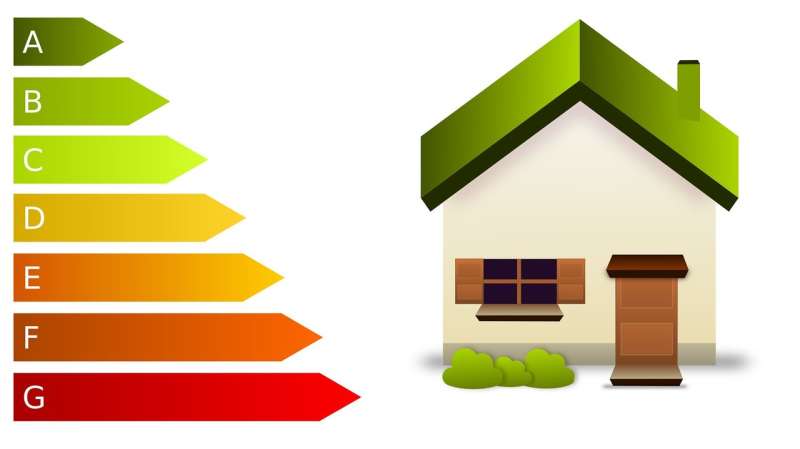
Researchers at the Universities of Glasgow and Cambridge created a system that uses satellite photos, street view images, and artificial intelligence to assess how energy efficient buildings are. The breakthrough means cities can now identify which homes need upgrades without sending inspectors door to door, a process that previously took months and cost a fortune.
The timing couldn't be better. UK homes consume 25% of the country's total energy and produce a quarter of its carbon emissions. Meeting the country's 2050 net zero goal depends on making buildings more efficient, but traditional energy audits are so slow and expensive that most homes never get assessed.
The new method tested in Glasgow and Edinburgh delivers surprising speed and accuracy. By analyzing thermal images from satellites, street level photos, and building records, the AI system predicts a home's energy efficiency almost as well as an in-person inspection.
Professor Qunshan Zhao, who led the research, explained that recent advances in satellite imaging and deep learning made the breakthrough possible. The system can spot both obvious features like building age and hidden characteristics like insulation quality.
The research revealed an unexpected pattern in the data. Lower income neighborhoods in both Scottish cities actually had better energy efficiency than wealthy areas, showing that Scotland's targeted retrofitting programs are working where they're needed most.
The Ripple Effect
The framework published in npj Urban Sustainability can work anywhere satellite data is available. Researchers plan to roll it out across major UK cities next, helping governments target retrofitting programs more accurately and spend taxpayer money where it makes the biggest difference.
For individual homeowners, the system could mean faster access to energy efficiency ratings and clearer guidance on which upgrades would save the most money. Instead of waiting months for an assessment, families could get actionable information in days.
The global potential is enormous. Cities worldwide struggle to track building energy use at scale, and this approach offers a faster, cheaper solution that works with technology already in orbit above us.
Climate change demands we make every building more efficient, and now we finally have the tools to do it quickly.
More Images

Based on reporting by Phys.org - Technology
This story was written by BrightWire based on verified news reports.
Spread the positivity!
Share this good news with someone who needs it