Scotland Releases 30,000 Endangered Pine Hoverflies
Conservationists just released the 30,000th critically endangered pine hoverfly into Scotland's Cairngorms National Park, proving that saving tiny species can transform entire ecosystems. The effort shows that unglamorous conservation work can be just as powerful as reintroducing wolves.
A tiny insect you've probably never heard of just became the star of one of Scotland's most ambitious conservation success stories.
The Royal Zoological Society of Scotland has released 30,000 critically endangered pine hoverflies into the Cairngorms National Park through a major breeding program. These small insects might not win any beauty contests, but they're quietly saving an entire forest ecosystem as both pollinators and waste removers.
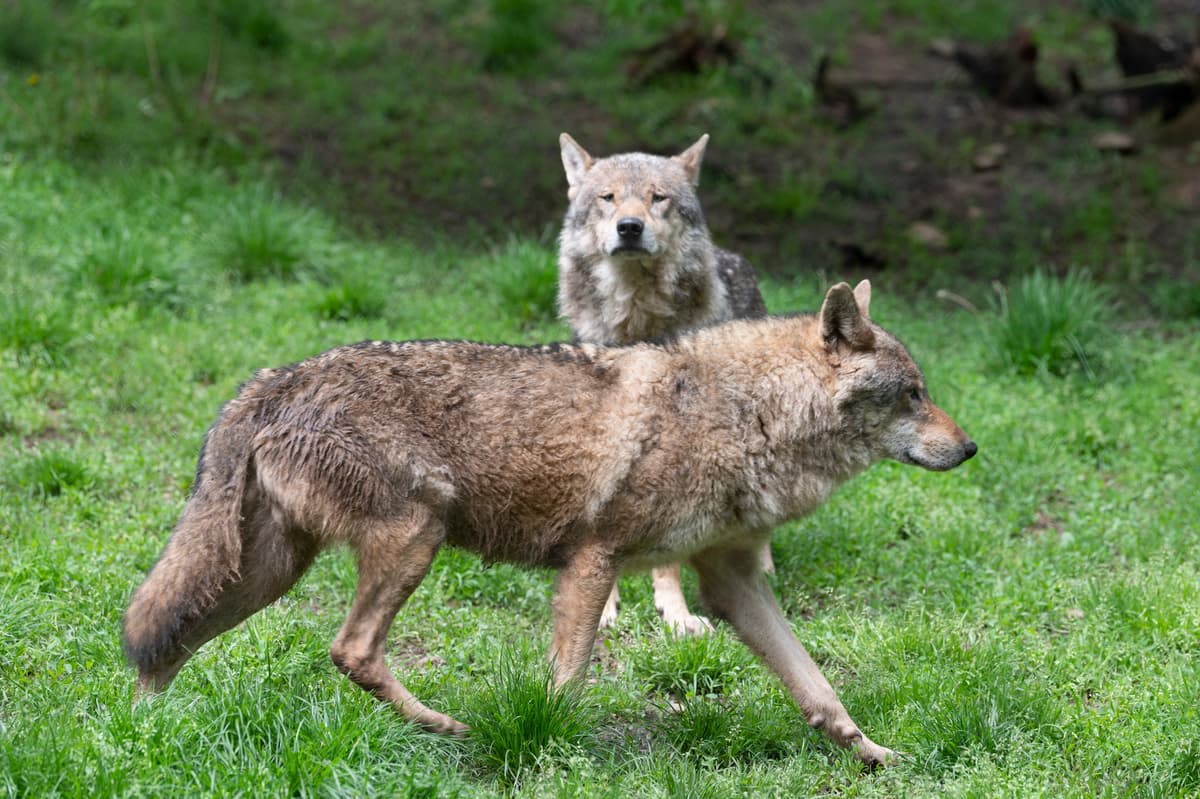
The story echoes a famous natural experiment from halfway around the world. When grey wolves returned to Yellowstone National Park in 1995, scientists watched in amazement as the ecosystem transformed. The wolves moved elk herds around, which stopped them from destroying young willow trees. More willows meant more beavers, who built dams that created better fish habitats and new homes for songbirds.
Wildlife biologist Doug Smith called it "like kicking a pebble down a mountain slope" that triggered an avalanche of change. One species returned, and an entire landscape healed.
Scotland has its own rewilding journey underway. Beavers have been reintroduced in several areas, though public reaction remains mixed. Some conservation advocates have called for bringing back large predators like lynx and even wolves to Scottish landscapes.
The Ripple Effect
But the pine hoverfly proves you don't need charismatic megafauna to make real conservation progress. Each tiny larva and egg released into the Cairngorms represents hope for the native population and the forest that depends on these humble pollinators.
The insects may not have the star power of wolves or lynx, but their impact on forest health is just as real. They work quietly in the understory, breaking down waste and spreading pollen, keeping the Caledonian pine forests functioning as nature intended.
RZSS researchers emphasize that every species has a role to play in its ecosystem. Losing even one can trigger unexpected consequences, just as bringing one back can spark healing across an entire landscape.
The 30,000th pine hoverfly release marks a major milestone, but it's really just the beginning. These small creatures are proving that conservation doesn't have to be controversial or dramatic to be transformative.
Sometimes the smallest wings carry the biggest hope for our wild places.
More Images

Based on reporting by Google: species saved endangered
This story was written by BrightWire based on verified news reports.
Spread the positivity!
Share this good news with someone who needs it