Scotland's Fly-Counting Volunteers Guard 60+ Rivers
More than 60 groups of volunteers across Scotland are protecting rivers by counting bugs. Their simple monthly surveys create an early warning system that spots pollution before it spreads.
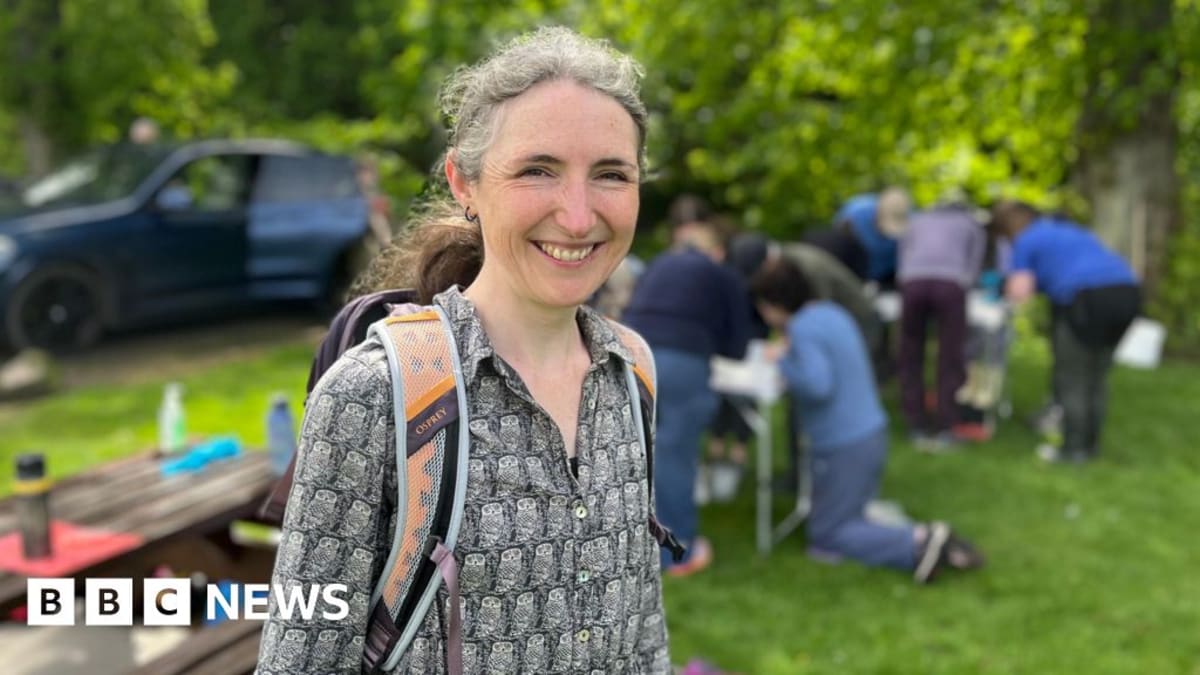
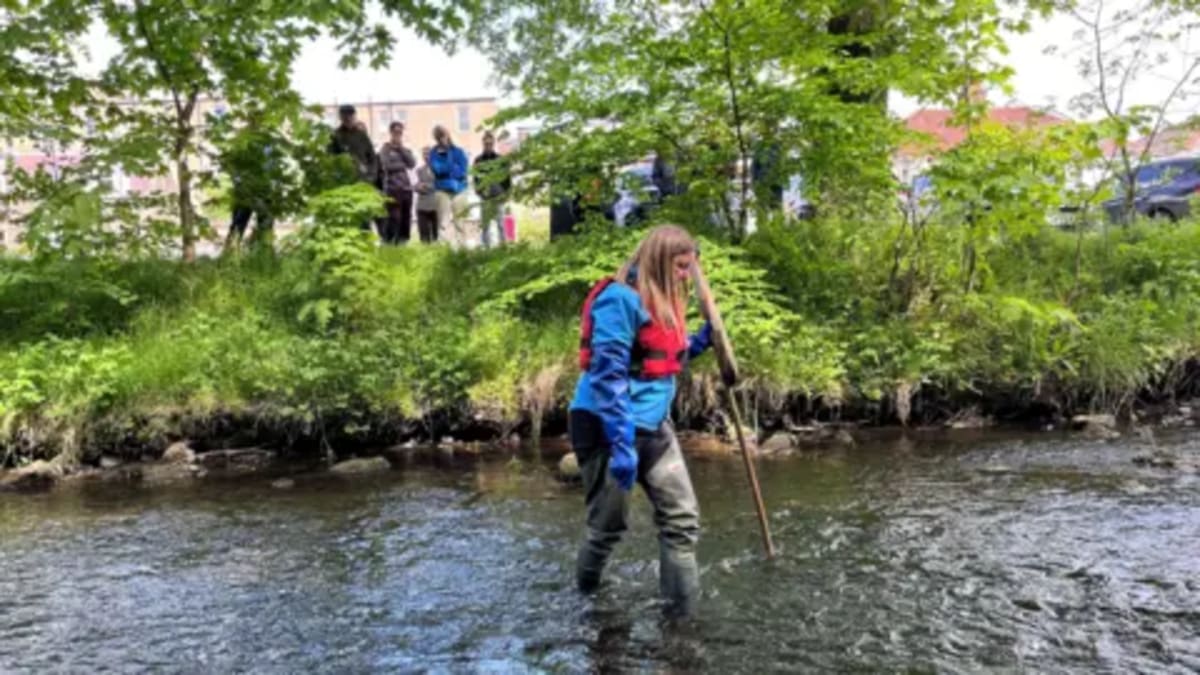
Across Scotland, volunteers armed with nets and counting trays are becoming the guardians of the country's rivers. They're not looking for fish or picking up trash—they're counting flies, and it's making a real difference in catching pollution early.
The Riverfly Partnership scheme has grown from zero to more than 60 volunteer groups in just four years since arriving in Scotland. These "river detectives" spend time each month wading into local burns and rivers, carefully collecting and counting tiny invertebrates like caddisflies, mayflies, and stoneflies.
The science behind it is surprisingly simple. These bugs are incredibly sensitive to water quality changes, earning them the nickname "canaries of our watercourses." When their numbers suddenly drop, volunteers immediately alert the Scottish Environment Protection Agency, often catching problems before official monitors can.
Over 1,000 surveys have already been logged across the country. From Abhainn Gleann Leircag in the north to the River Cree in the south, most river catchments now have at least one monitoring group filling crucial gaps in official water testing.
In the Scottish Borders, the program has taken off with particular enthusiasm. Six groups already monitor local waters in towns like Peebles, Jedburgh, and Walkerburn, with three more training sessions planned for Coldstream, Eyemouth, and Innerleithen.
Erica Chapman, a marine biologist coordinating volunteers for the Tweed Foundation, says the program lets everyone contribute to protecting river health. The monthly commitment is manageable, and volunteers receive full training in identifying the eight target invertebrates plus spotting invasive species like demon and killer shrimps.
The Ripple Effect
What started as a pollution monitoring program is creating something deeper. Conservation student Anna Dorward signed up because she lives near the Tweed and discovered a passion for sorting and identifying the tiny creatures. Longtime angler Neil Macintyre thought he knew river invertebrates well, but the training took his knowledge to an entirely new level.
Buglife conservation officer Elaine Rainey sees the bigger picture emerging. People across Scotland are building genuine connections with their local waterways, learning to read the health of rivers through the life thriving in them.
The model, which began in England 20 years ago, proves that environmental protection doesn't require a science degree or expensive equipment. It needs curious people willing to spend a few hours each month getting their feet wet and paying attention to the smallest creatures sharing our landscape.
Scotland's rivers now have thousands of extra eyes watching over them, one fly count at a time.
More Images

Based on reporting by Google: volunteers help
This story was written by BrightWire based on verified news reports.
Spread the positivity!
Share this good news with someone who needs it