Scotland's Tiny Island Supplies Every Olympic Curling Stone
For over 200 years, nearly every Olympic curling stone has come from one small Scottish island and a Welsh quarry. Now scientists finally know why these rocks are perfect for the sport.
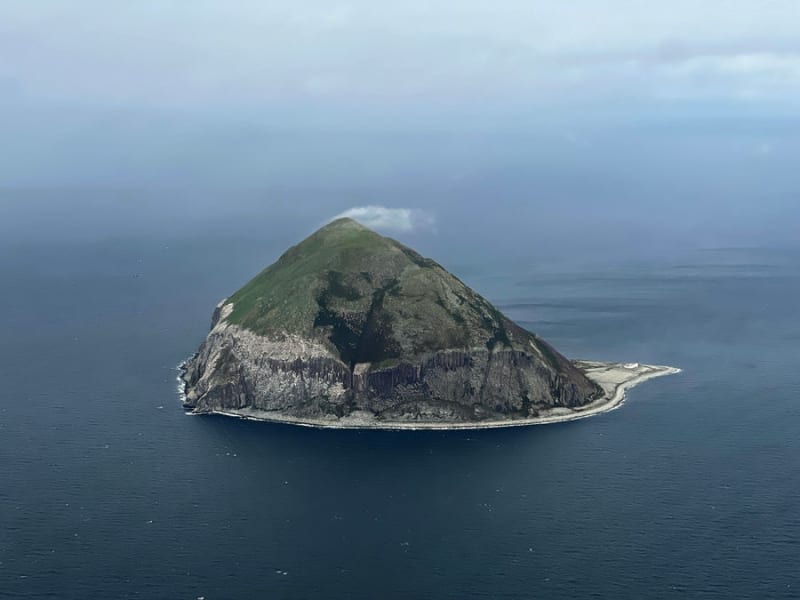
Curling stones might look simple, but they come from just two spots on Earth: Ailsa Craig, a tiny island off Scotland's coast, and Wales' Trefor granite quarry.
Derek Leung, a mineralogist at the University of Regina and former Team Hong Kong curler, decided to find out what makes these rocks so special. His research became the first scientific analysis of curling stones in over 130 years.
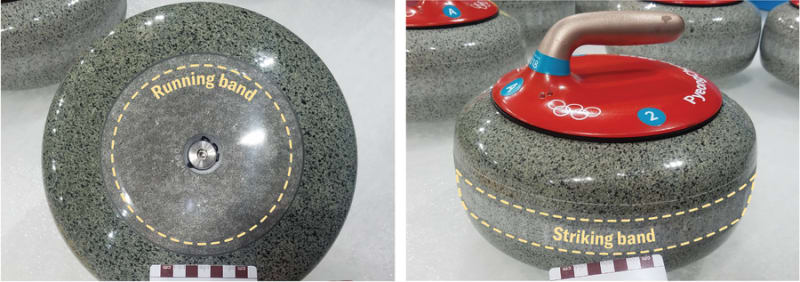
Each 40-pound curling stone needs two different surfaces. The running surface glides across the ice, while the striking surface smashes into other rocks. Both jobs require rocks with very specific qualities.
Ailsa Craig has supplied curling stones since the early 1800s. The Trefor quarry joined after World War II when curling's popularity exploded. Both locations produce granite-like rocks, but their real magic lies in their age and structure.
The rocks are geologically young, between 60 and 500 million years old. This youth means they haven't been stressed by multiple tectonic events. Under the microscope, Leung found almost no fractures, even though the rocks contain quartz, which experts once thought would make them too brittle.
Ailsa Craig's blue hone granite has tiny, uniform grains perfect for the running surface. The small grains resist getting plucked out by ice, preventing holes that could make stones behave unpredictably. The rock is also non-porous, so water can't seep in and cause cracks.
For the striking surface, different grain sizes actually help. They prevent damage when stones collide at high speeds. Given that each stone costs around $600 and lasts 50 to 70 years, durability matters.
Why This Inspires
Leung's work shows how combining passion with expertise can solve century-old mysteries. His love for both curling and geology led him to answer questions nobody had asked in generations.
But there's more good news ahead. Ailsa Craig is now a protected bird sanctuary where blasting is banned, so finding new sources matters for curling's future. Leung hopes to test rocks from Nova Scotia, which formed during the same Atlantic rifting event that created Ailsa Craig's perfect granite.
Other places tried and failed before. Canadian quarries in the 1950s produced stones that chipped quickly. But with modern science revealing exactly what works, the search for new curling stone sources just got a lot smarter.
The 2026 Milano Cortina Winter Olympics will use stones made from Ailsa Craig common green with blue hone running surfaces. That tradition continues for now, but Leung's research might help curling clubs worldwide access quality stones in the decades ahead.
One day soon, he hopes to throw test stones down the ice to see if his predictions hold up in real competition.
More Images


Based on reporting by Scientific American
This story was written by BrightWire based on verified news reports.
Spread the positivity!
Share this good news with someone who needs it