Scottish Scientists Pioneer New Understanding of Evolving Coastal Landscapes
Groundbreaking research from the University of Glasgow is revealing fascinating insights into how Scotland's beaches are transforming, opening doors for better coastal management and climate adaptation strategies. This pioneering work establishes new scientific classifications that could help communities worldwide protect their shorelines.
In an exciting development for coastal science, researchers at the University of Glasgow have completed a comprehensive study that's changing how we understand and classify modern beaches—work that could prove invaluable as communities adapt to environmental changes.
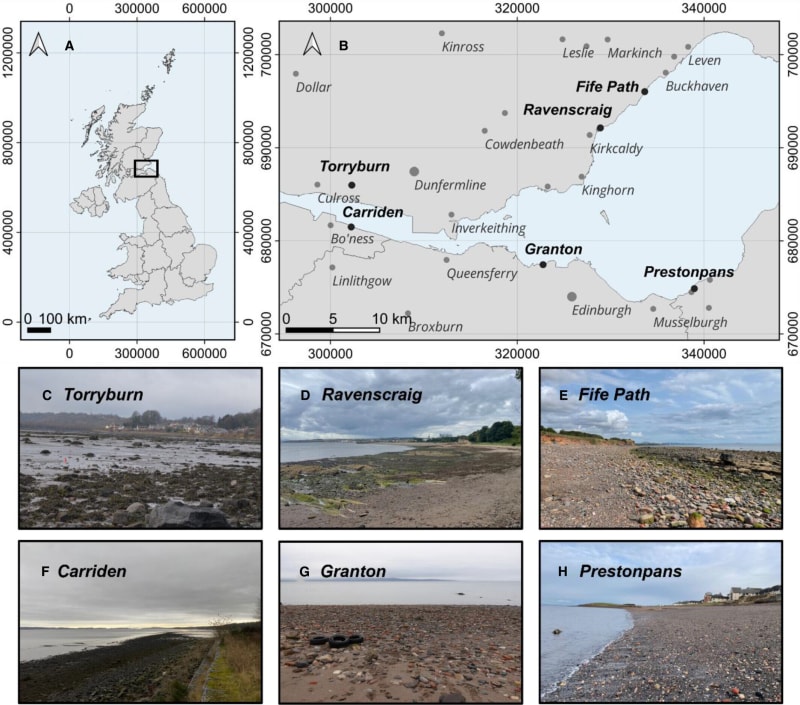
The innovative research, published in the prestigious journal Sedimentology, represents the first detailed examination of how Scotland's Firth of Forth beaches are evolving. Using cutting-edge drone technology and meticulous field surveys, scientists have documented the composition of six beaches, creating detailed 3D models and collecting samples across different tide zones.
What makes this research particularly significant is that it addresses a major gap in coastal science. When the team began their work, they discovered only 44 previous studies worldwide on urban beaches—highlighting how pioneering their efforts truly are.
"Part of our jobs as geomorphologists is understanding how our coast works," explains Professor Larissa Naylor, a co-author of the study. This research is helping scientists build crucial knowledge about urban coastal environments that have been understudied for far too long.
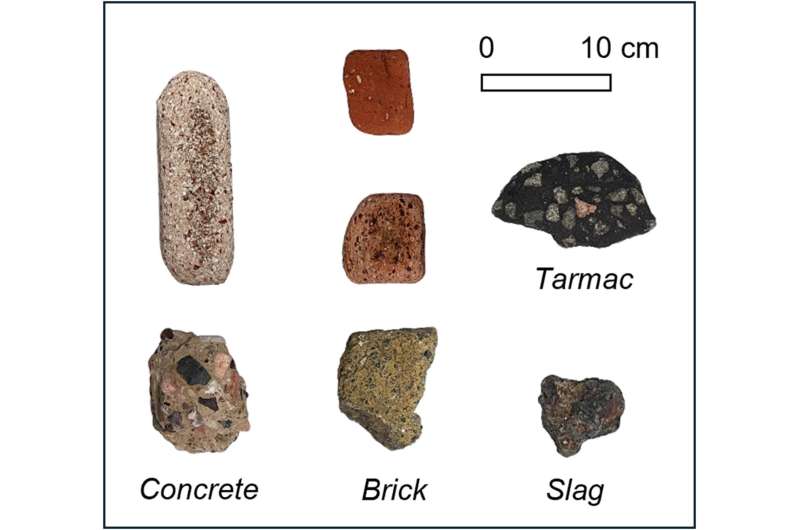
The team's findings reveal that materials from historical industrial sites and aging infrastructure—including brick, concrete, and glass fragments—now comprise an average of 22% of coarse beach sediments across the surveyed sites. At Granton Beach near Edinburgh, this figure reaches nearly half of the material in some zones.
Rather than viewing this as merely problematic, the researchers are using these discoveries to develop better tools for coastal management. They've proposed a new scientific classification system—"Anthropogenic Mixed Sand and Gravel" or MSG-A beaches—that will help communities around the world better understand and manage their changing coastlines.
Postgraduate researcher Yuchen Wang, who conducted the study as part of her Ph.D., emphasizes the forward-looking nature of this work: "This study is a vital first step towards building a complete picture of how Scotland's beaches are being affected." The team has already begun follow-up surveys to track changes over time, creating a valuable long-term dataset.
The research methodology itself represents an impressive achievement. By combining traditional geological surveying with modern drone technology, the scientists created highly detailed terrain models while examining materials ranging from small grains to fragments up to 256mm.
John MacDonald from the University's School of Geographical & Earth Sciences notes that understanding these coastal dynamics is becoming increasingly important: "As climate change increases the frequency and magnitude of coastal storms," having accurate data about beach composition will be essential for effective coastal planning.
This research exemplifies how scientific inquiry can transform our understanding of environmental change. Rather than simply documenting problems, these scientists are building the knowledge foundation that communities need to adapt and plan effectively.
The team's work also demonstrates the value of studying local environments in detail. By thoroughly examining six beaches representing different coastal conditions, they've created a model that other researchers worldwide can follow.
As coastal communities everywhere face the challenges of a changing climate, this kind of innovative, solutions-focused research becomes increasingly valuable. The University of Glasgow team is lighting the way forward, showing how rigorous science can help us understand, adapt to, and manage our evolving relationship with the natural world.
More Images
Based on reporting by Phys.org
This story was written by BrightWire based on verified news reports.
Spread the positivity! 🌟
Share this good news with someone who needs it
More Good News
 💡 Solutions
AI Breakthrough Promises Safer Communities Through Better Flood Prediction
 💡 Solutions
Kent Water Crisis Sparks Important Lessons for Safer, More Resilient Water Systems
 💡 Solutions
Communities Discover Powerful New Strategy to Thrive Amid Climate Change
Joke of the Day
Why did the librarian get kicked out of class?
Explore Categories
Quote of the Day
"Do not go where the path may lead, go instead where there is no path and leave a trail."
— Ralph Waldo Emerson