
Sea Cucumber's Severed Limbs Survived 3 Years Alone
Scientists watched in amazement as amputated sea cucumber feet healed themselves and kept living for three years without their bodies. The discovery could revolutionize how we understand regeneration and survival.
Scientists just discovered something that sounds like science fiction: severed body parts that refuse to die, healing themselves and thriving alone for years.
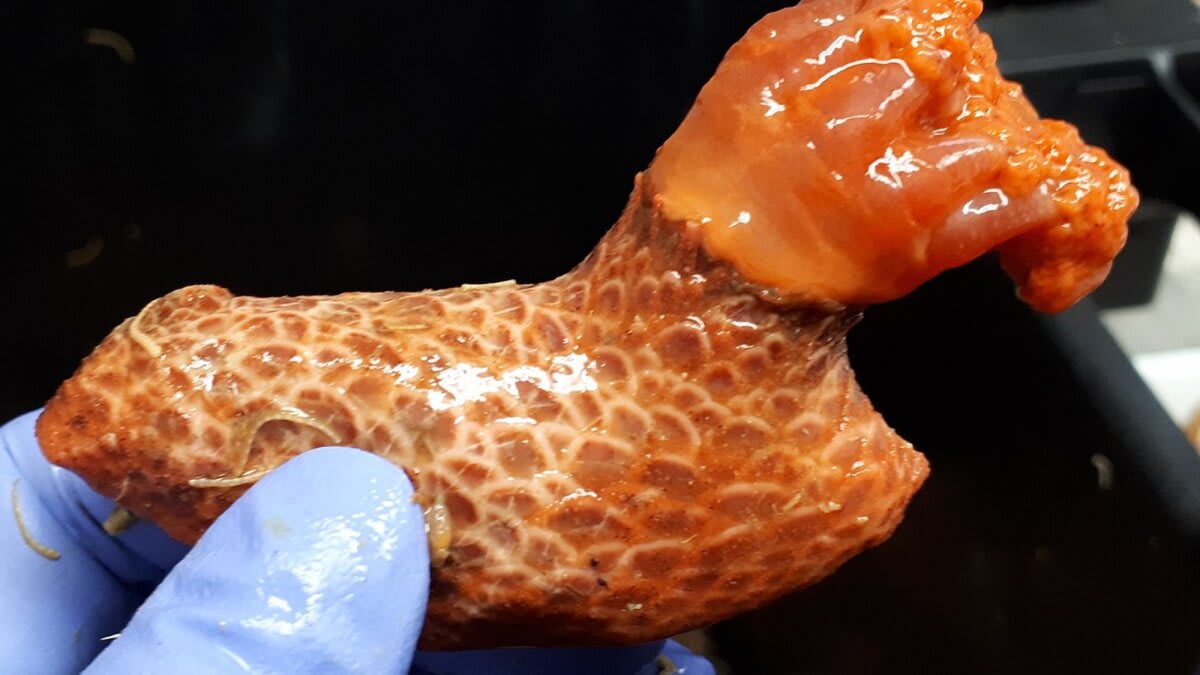
Researchers from Memorial University in Canada were studying a bizarre sea cucumber species called Psolus fabricii when they made an astonishing find. After collecting samples of the creature's tube feet (the appendages it uses to crawl along the ocean floor), they noticed something strange. Instead of decaying, the amputated feet began healing themselves.
Over the first week, the severed limbs transformed completely. New cells replaced old ones, immune cells multiplied rapidly, and wounds closed on their own. Within a month, the amputation site had vanished entirely.
The feet gradually morphed into translucent, spherical blobs of living tissue. After two months, they had regrown to their original size. By three months, they were bigger than before.
Then came the real surprise. A year passed. Then two. Then three. The severed feet kept living, absorbing nutrients from the seawater and sediment around them. They never regrew into new sea cucumbers, but they thrived independently as living tissue.
"Here is this species that has this groundbreaking ability, and we had no idea," says marine biogeochemist Rachel Sipler from Memorial University. The team used special tracers to confirm the tissue was actively absorbing amino acids and nutrients from the surrounding water, proving these weren't just preserved specimens but genuinely living organisms.
The discovery happened almost by accident because the researchers used natural seawater in their tanks, which is typically full of bacteria and organic matter. That rich, messy environment actually fed the tissue and allowed it to survive.
Why This Inspires
This finding challenges everything we thought we knew about the boundaries of life. Scientists have seen salamanders regrow limbs and even some worms regenerate into two new individuals when cut in half. But this is different.
"It's like a lizard that loses its tail," Sipler explains. "We know some lizards can grow new tails; we're talking about whether the tail can grow a new lizard." While these feet didn't become whole new creatures, their ability to survive independently opens new questions about regeneration.
The discovery reminds us how much remains unknown in our oceans. These sea cucumbers live in the cold waters of the Atlantic and Arctic, quietly possessing abilities we never imagined. Their survival secrets could hold valuable knowledge for human medicine, wound healing, or understanding how living tissue persists in harsh environments.
Sometimes the most groundbreaking discoveries come from simply watching nature do what it does best: finding ways to survive against all odds.
More Images


Based on reporting by New Atlas
This story was written by BrightWire based on verified news reports.
Spread the positivity!
Share this good news with someone who needs it


