Sea Otters Help Fight Climate Change by Eating Sea Urchins
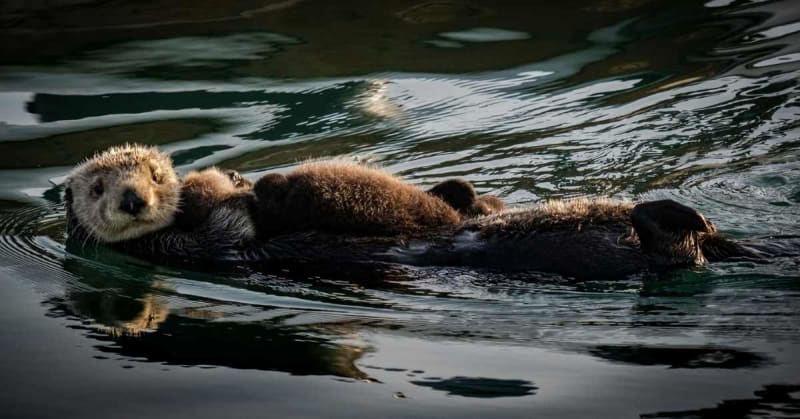
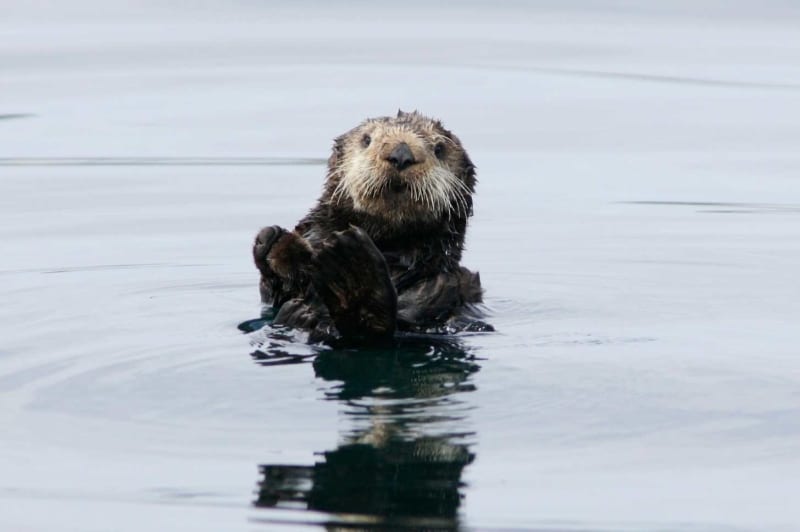
A kindergartner's dream came true, and now Jessica Fujii studies how California's 3,000 sea otters are keeping coastal ecosystems healthy enough to withstand climate change. By munching through a quarter of their body weight daily in sea urchins and crabs, these furry predators are preserving kelp forests that protect shorelines from warming oceans and stronger storms.
Jessica Fujii drew herself as a sea otter biologist in kindergarten, complete with cartoon otters splashing in the Monterey Bay Aquarium's tide pool. Today, she lives that dream while documenting how these adorable animals might be one of our best defenses against climate change.
California's 3,000 southern sea otters nearly went extinct from fur hunting, surviving only because of a tiny remnant population and decades of conservation work. They now occupy just 13 percent of their historic California coastline, but scientists have discovered these survivors punch far above their weight in protecting coastal habitats.
Sea otters need to eat up to a quarter of their body weight every single day because they lack the blubber other marine mammals use for warmth. Instead, they rely on extremely dense fur and a supercharged metabolism that runs twice as fast as similar land animals.
That constant hunger makes them ecological powerhouses. When sea otters crunch through sea urchins along the coast, they prevent these spiny grazers from mowing down kelp forests and turning underwater jungles into barren wastelands.
Recent warming ocean conditions fueled by climate change have caused kelp forests to crash across much of California, leaving behind vast urchin barrens where little else can grow. Around Monterey Bay, though, researchers watched otters ramp up their urchin eating in the remaining kelp beds, allowing those last forest patches to survive.
A study analyzing over a century of kelp data found steep losses along California's southern and northern coasts where otters remain absent. But the Central Coast, where otter populations have rebounded, showed notable long term kelp growth.
Those healthy kelp forests absorb wave energy and soften the impact of storms that are growing more intense with climate change, reducing erosion along vulnerable shorelines. They also maintain rich, complex coastal ecosystems that can absorb climate shocks far better than bare sea floors stripped of life.
The Ripple Effect
The climate benefits extend beyond kelp forests. In coastal wetlands and seagrass meadows, otters are helping preserve blue carbon habitats that naturally store greenhouse gases and filter pollution.
Fujii still focuses on individual otters, just like she imagined as a kindergartner watching them crack open crabs from her dad's kayak. But now she understands each fluffy predator she studies represents something much bigger: a working example of how protecting wildlife creates resilient ecosystems that help all of us weather the climate crisis.
California came heartbreakingly close to losing these ecosystem engineers forever, and their current population remains fragile at just 3,000 animals in a narrow coastal strip. What happens next for sea otters will ripple outward through the kelp forests, wetlands, and shoreline communities that depend on the balance they maintain.
More Images
Based on reporting by Good Good Good
This story was written by BrightWire based on verified news reports.
Spread the positivity!
Share this good news with someone who needs it