Sea Turtle Returns to Same Beach Three Times in One Season
Scientists in Chennai tracked a sea turtle that returned to the exact same beach three times in one nesting season, proving these ancient mariners have incredible memory. The discovery could help protect critical nesting sites along India's coast.
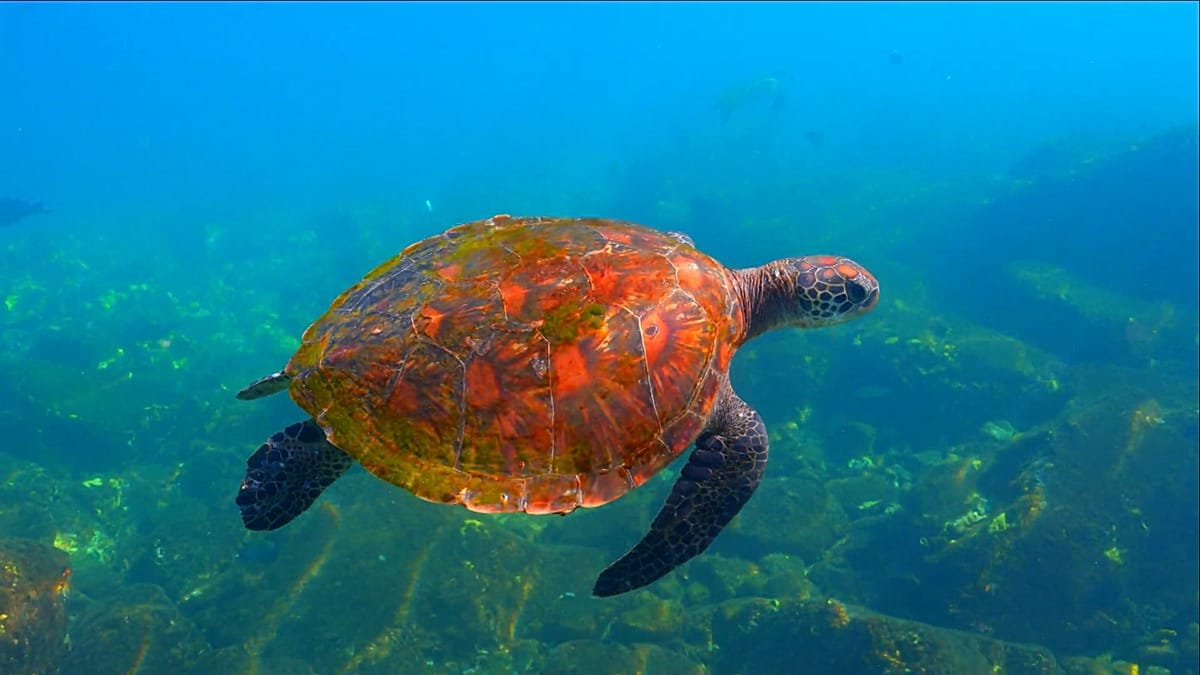
A sea turtle named Kayal just proved that home really is where the heart is, swimming back to the same Chennai beach three times in a single season to lay her eggs.
Scientists tagged the Olive Ridley sea turtle with a satellite tracker at Besant Nagar beach and watched something remarkable unfold. After swimming south into the ocean, Kayal navigated back to Chennai not once, but three separate times during nesting season. She laid a total of 389 eggs across her three visits.
This marks the first solid scientific proof that Olive Ridleys return to the same nesting spots year after year, a behavior called site fidelity. While researchers suspected this happened, tracking technology finally confirmed what these ancient creatures have been doing for millions of years.
Another tagged turtle named Megalai showed similar dedication. She returned to her chosen beach twice, laying 211 eggs total. Both turtles demonstrated navigation skills that scientists are still working to fully understand.
The research team radio-tagged multiple turtles along the Chennai coast to study their movements and behaviors. The data they're collecting goes far beyond just counting eggs. It reveals travel patterns, preferred nesting locations, and how far these turtles venture between nesting trips.
The Ripple Effect
Understanding where sea turtles return to nest helps conservationists protect the right beaches at the right times. When development or pollution threatens a coastline, scientists now have evidence showing which spots matter most for turtle survival.
Chennai's beaches become crucial wildlife corridors during nesting season. The tracking data gives local authorities specific information about when to increase beach patrols, reduce nighttime lighting, and protect nesting sites from disturbance.
Olive Ridley sea turtles face threats from fishing nets, plastic pollution, and disappearing nesting habitat. Every piece of information about their behavior helps conservation efforts become more targeted and effective. Knowing that individual turtles return to specific beaches means protecting those exact locations could save entire generations of hatchlings.
The satellite tags continue transmitting data, so Kayal and Megalai may reveal even more about their ocean journeys. Scientists hope to track where they feed between nesting seasons and whether they return to Chennai again next year.
For now, nearly 600 eggs buried in Chennai's sand represent hope for the future of these incredible navigators.
Based on reporting by The Hindu
This story was written by BrightWire based on verified news reports.
Spread the positivity!
Share this good news with someone who needs it