Seals Turn North Sea Wind Farms Into Hunting Grounds
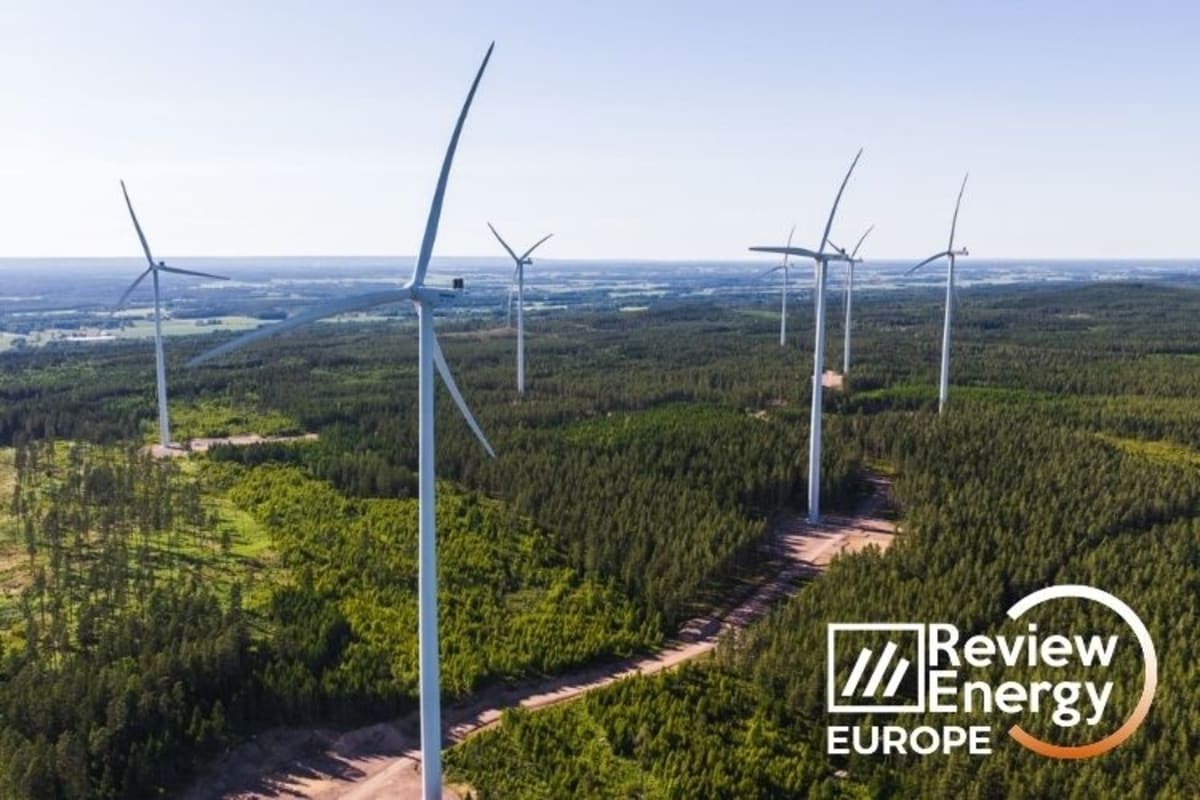
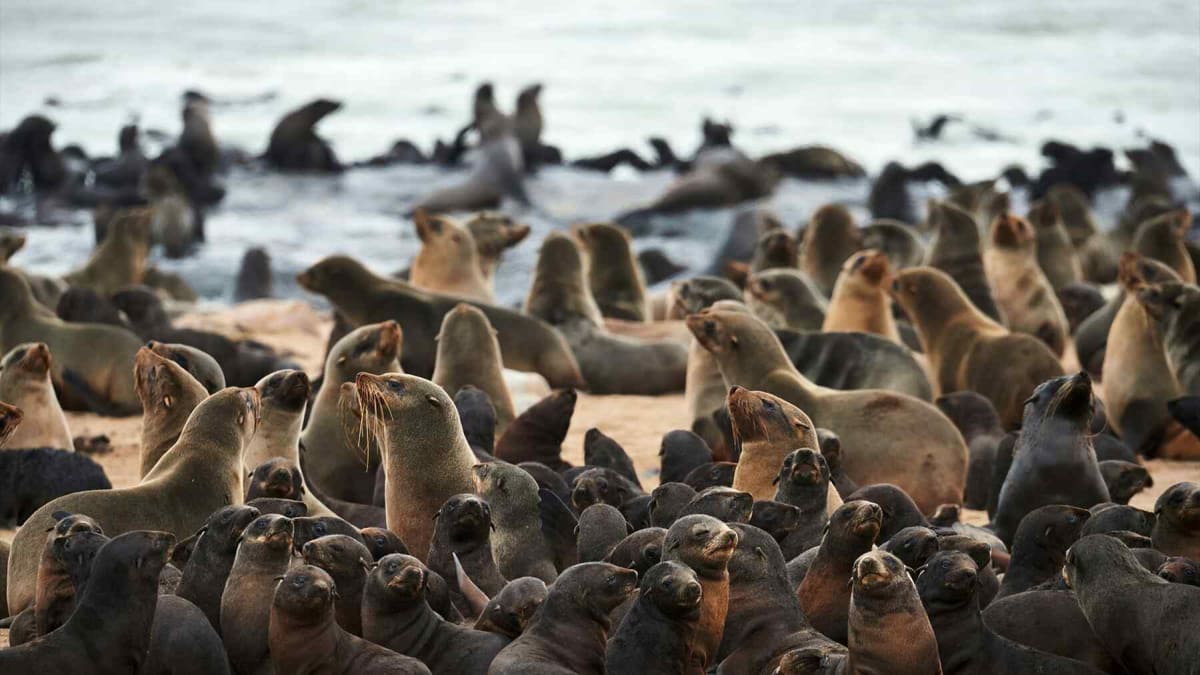
Scientists tracking seals in the North Sea discovered the animals swimming in precise geometric patterns through offshore wind farms, using turbines as hunting grounds. The unexpected behavior reveals how renewable energy infrastructure is creating thriving new ecosystems underwater.
Seals in the North Sea have turned offshore wind farms into their personal hunting territories, swimming through turbine fields in surprisingly precise square patterns.
Dr. Deborah Russell and her team at the University of St Andrews attached GPS trackers to harbor and gray seals and watched something remarkable unfold. The animals weren't randomly wandering. They were methodically checking turbines one by one, following straight lines and systematic routes that looked almost mathematical.
The reason? The turbines created an underwater buffet. When foundations sink into the seabed, they transform into artificial reefs where mussels, barnacles, and crustaceans rapidly colonize. These invertebrate communities attract schools of fish, which in turn draw hungry seals who've learned exactly where to find easy meals.
One seal spent 10 days following a subsea pipeline, while others traveled in remarkably straight lines between turbines. The behavior shows something scientists are calling the "reef effect," where human infrastructure accidentally engineers thriving marine ecosystems.
The discovery arrives at a crucial moment. North Sea countries have pledged to install 120 gigawatts of offshore wind capacity by 2030 and 300 gigawatts by 2050. Currently, only 37 gigawatts operate. Nations are racing to meet climate targets while powering energy-hungry AI data centers and industry across the region.
Concerns about wildlife impacts have slowed wind farm approvals. But this research tells a different story than many expected. Rather than avoiding these installations, some marine mammals are thriving alongside them.
The Bright Side
Ocean Oculus, a marine communications consultancy, believes findings like these could reshape how policymakers think about offshore energy development. The research shows that renewable infrastructure doesn't exist separately from nature. Instead, it creates new habitats that wildlife adapts to in unexpected ways.
The seals' behavior demonstrates that careful planning can allow clean energy and marine life to coexist. As researchers continue tracking these patterns, they're building knowledge that helps future wind farms work better for both power generation and ocean ecosystems.
Understanding how seals hunt around turbines means engineers can design future installations with wildlife in mind from the start. It's proof that meeting climate goals and protecting nature aren't always opposing forces.
When human innovation creates space for wildlife to flourish, everyone wins.
More Images


Based on reporting by Google News - Wind Energy
This story was written by BrightWire based on verified news reports.
Spread the positivity!
Share this good news with someone who needs it