Seattle and Vancouver Plan Epic 2026 World Cup Welcome
Two neighbor cities are teaming up across the U.S.-Canada border to turn the 2026 World Cup into a regional celebration. Together, they're expecting over 1.1 million visitors and creating innovative ways to share the economic boost with local communities.
Seattle and Vancouver are proving that international borders don't have to mean competitive divides when it comes to hosting one of the world's biggest sporting events.
The two Pacific Northwest cities sit just 140 miles apart and will host 13 World Cup matches combined next summer. Instead of competing for tourist dollars, they're working together daily to plan for an expected 1.1 million visitors and billions in economic impact.
Their partnership makes sense when you consider the Cascadia region. This shared cultural zone includes Washington state, Oregon, and British Columbia, bound by similar climates, tight trade relationships, and a distinctive Pacific Northwest identity. "The way of life is very similar," says Shawn Crowley, the U.S. Consul General in Vancouver.
Seattle expects up to 750,000 visitors who will generate about $845 million in economic impact, including more than $95 million in state and local tax revenue. The city created something special to make sure neighborhoods beyond the stadium district benefit from the influx.
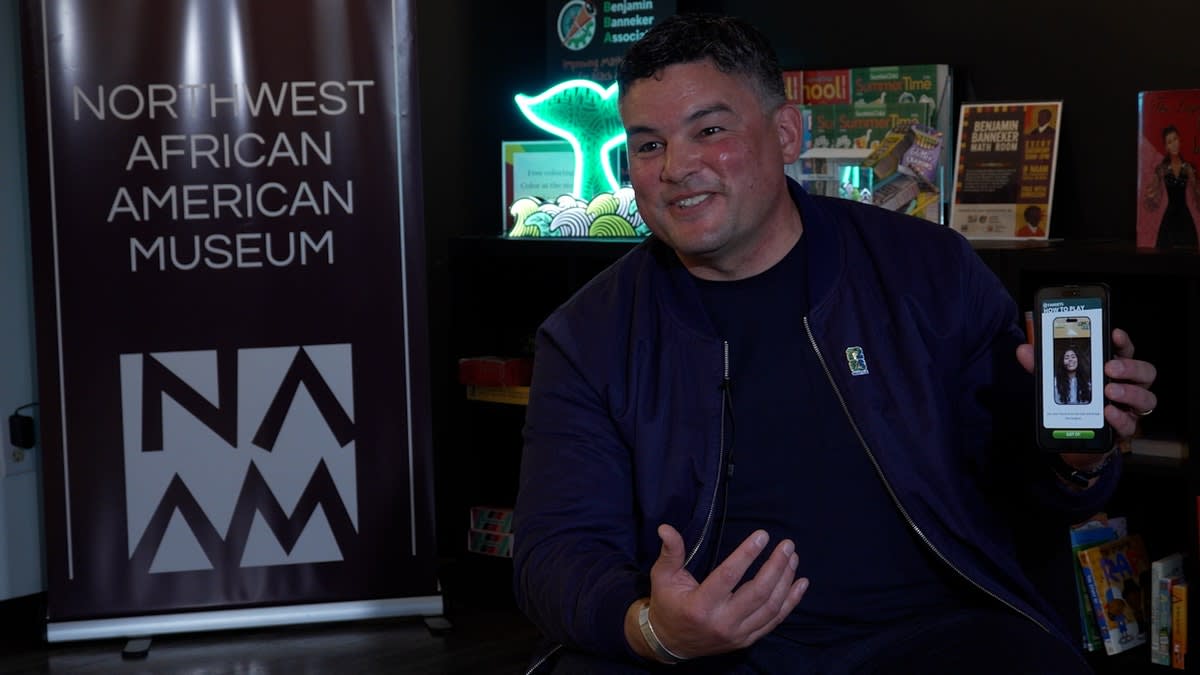
The "SEA&WIN" app turns sightseeing into an interactive game. Visitors check in at cultural sites, parks, restaurants, and small businesses across the city to earn points and rewards. Some lucky users will even win free tickets to World Cup matches.
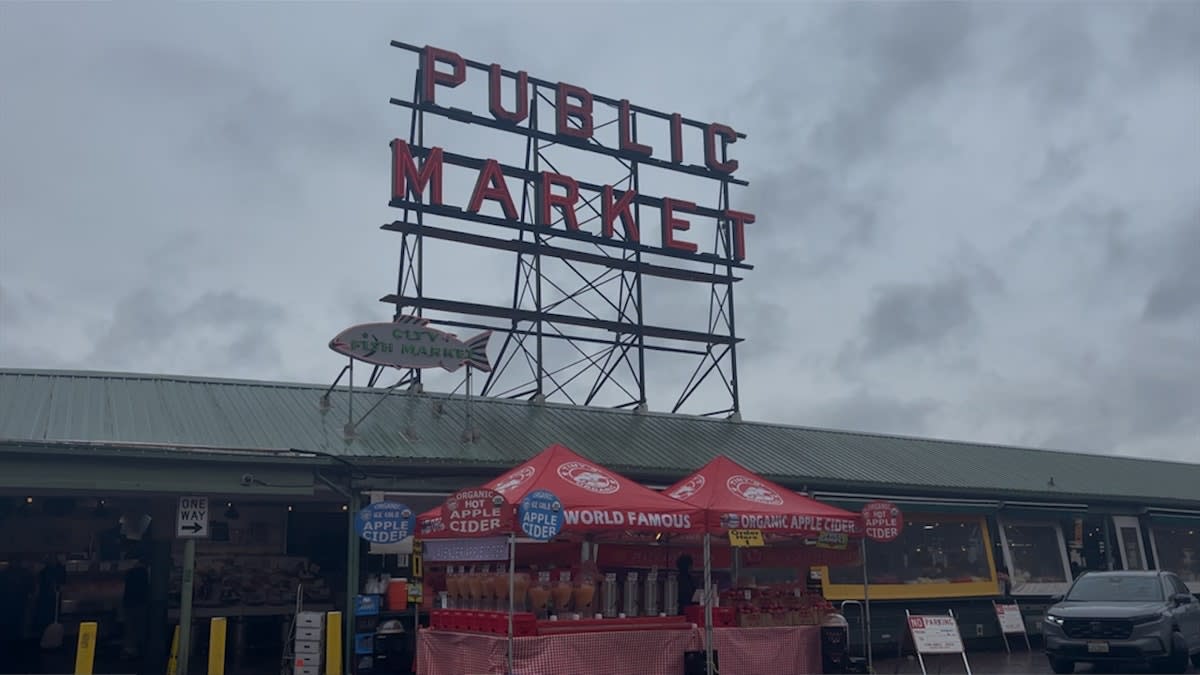
The app connects more than 300 locations through Seattle's light rail and walking paths in what organizers call the "Unity Loop." Within five minutes of leaving downtown, fans can visit the Northwest African American Museum or explore Pike Place Market.
"What we are really interested in is proving that it's possible to bring an event of this magnitude to our community and then have the local community benefit from that," says Leo Flor, Seattle's Chief Legacy Officer for the World Cup.
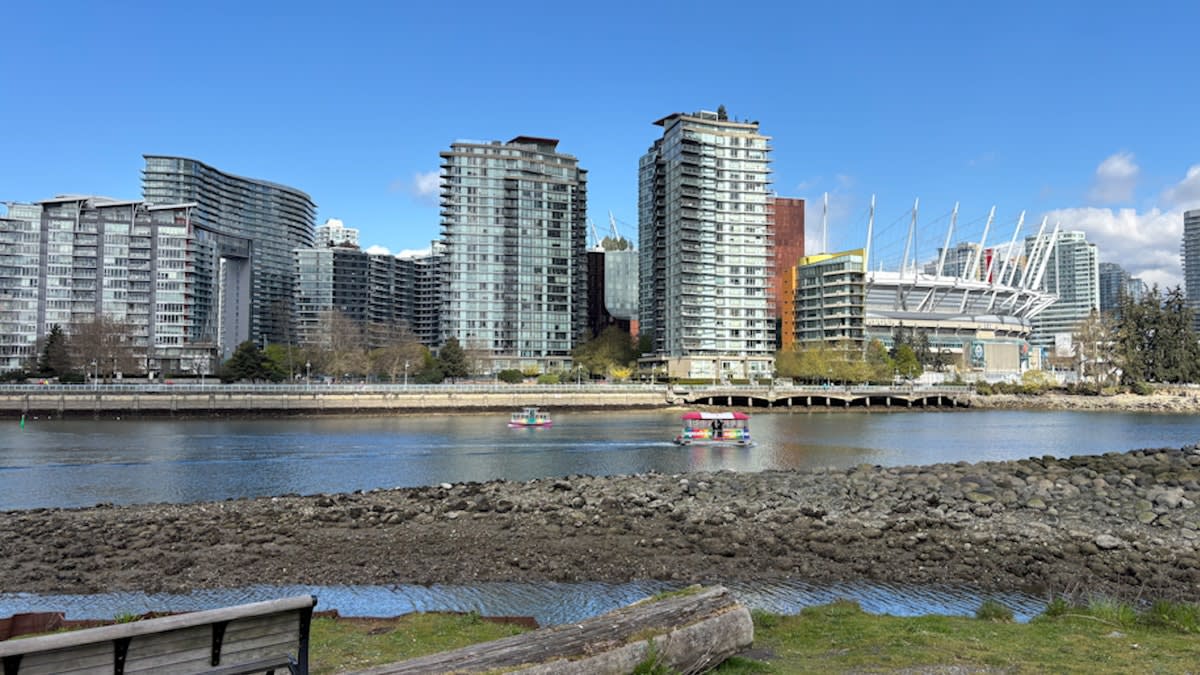
Vancouver is taking a similar approach with its 350,000 expected match attendees. Tourism officials are highlighting how visitors can experience both urban excitement at BC Place stadium downtown and British Columbia's stunning natural beauty just minutes away. The province offers everything from Whistler's peaks to coastal wildlife regions and authentic Indigenous cultural experiences across more than 200 First Nations.
The long game looks promising too. One report projects more than $1 billion in tourism revenue between 2026 and 2031 thanks to the World Cup exposure.
The Ripple Effect
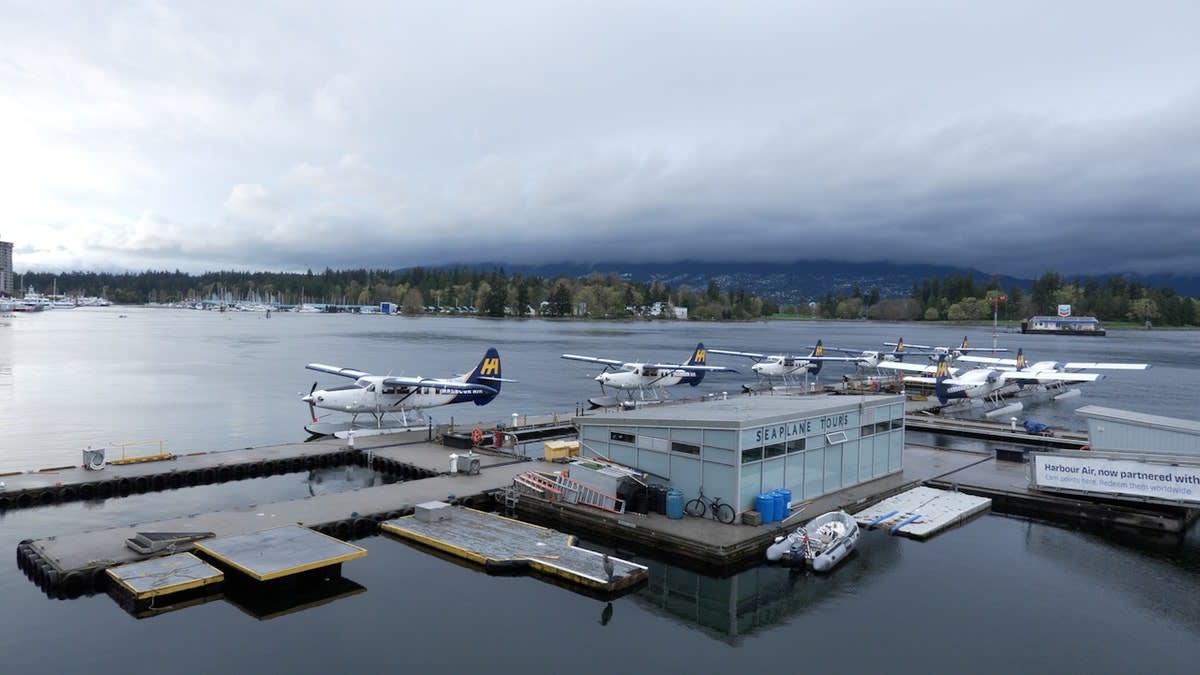
Both cities are promoting "Two countries, one journey" itineraries that treat the border as a feature rather than a barrier. Seaplanes already run constant routes between the cities, making cross-border travel simple.
The collaboration reflects something bigger than soccer. This tournament is testing whether a highly interconnected region can turn a massive international event into lasting benefits for local businesses, cultural institutions, and neighborhoods that too often get bypassed when tourists arrive.
The message is simple: come for the soccer, stay for everything else the Pacific Northwest has to offer.
More Images
Based on reporting by Fox News Latest Headlines (all sections)
This story was written by BrightWire based on verified news reports.
Spread the positivity!
Share this good news with someone who needs it