Seattle Becomes Clean Energy Hub with Fusion and Battery Firms
Seattle is positioning itself as America's premier destination for clean energy innovation, bringing together cutting-edge fusion startups, battery manufacturers, and skilled workers. The city's unique combination of industrial space, Pacific Rim access, and research institutions is attracting companies building tomorrow's carbon-free technologies.
Seattle is quietly becoming the place where the future of clean energy gets built.
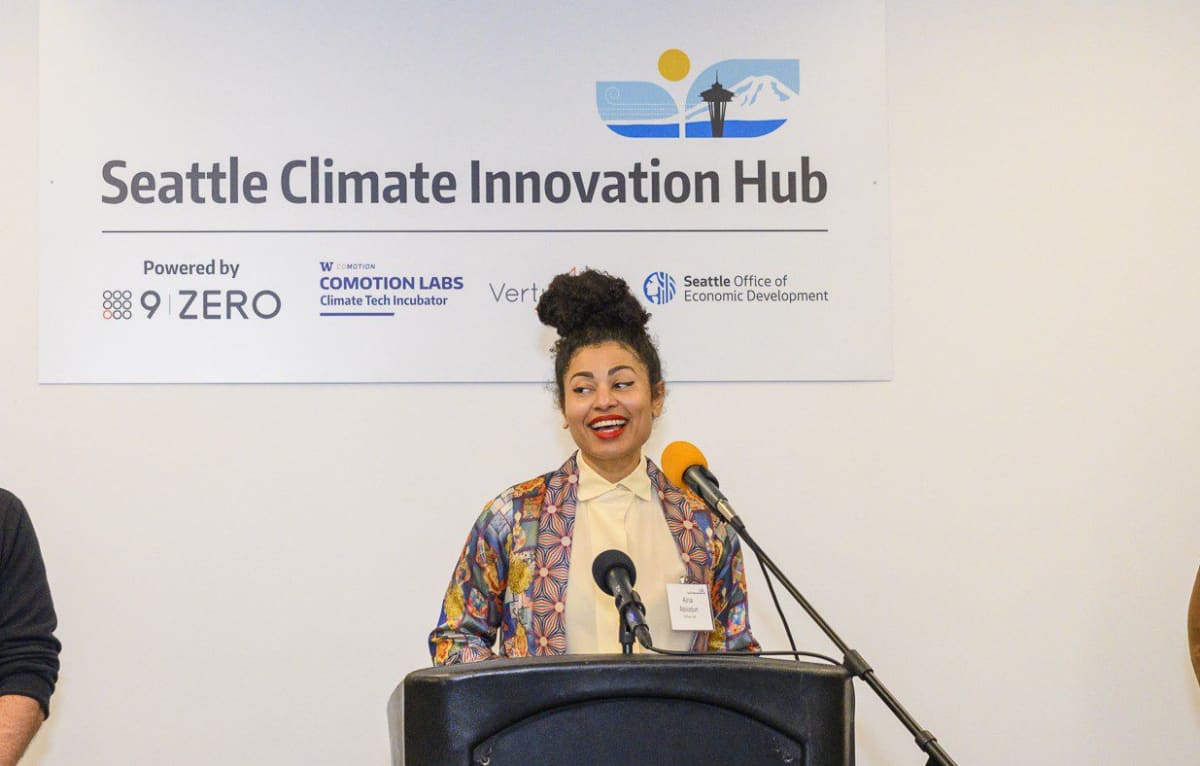
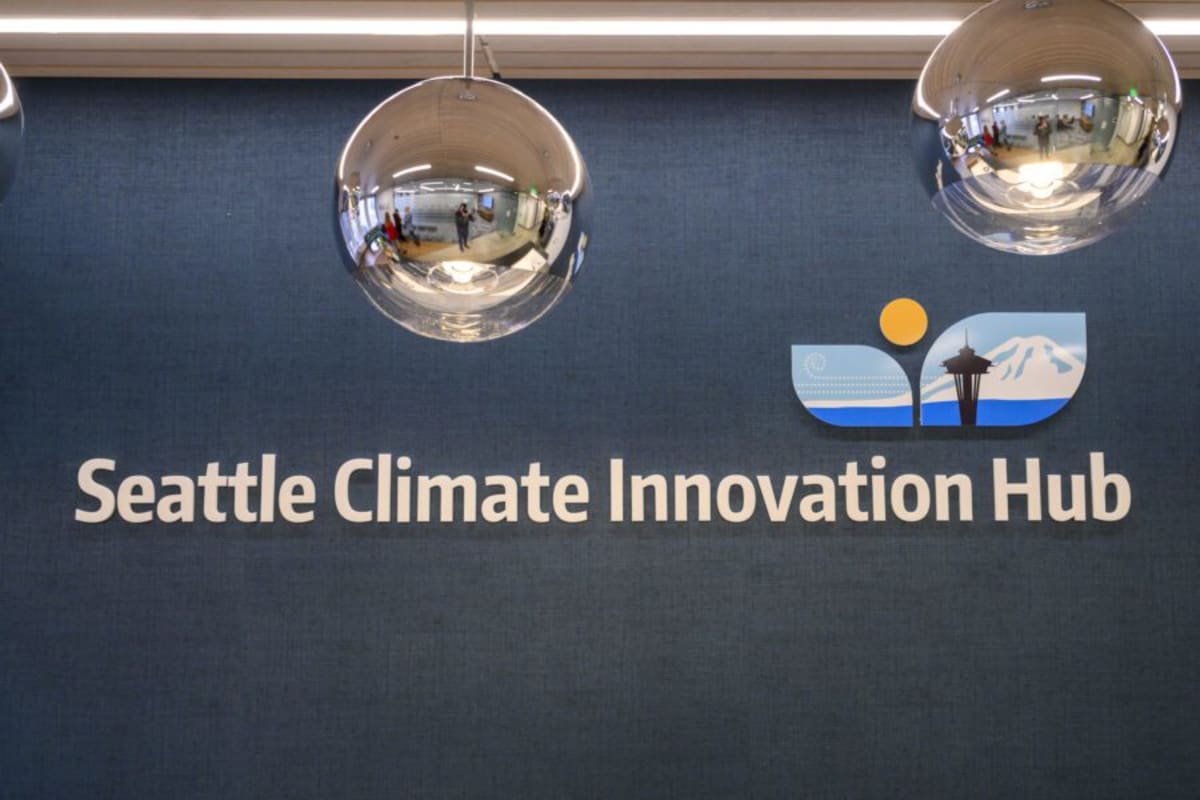
The city has created the Seattle Climate Innovation Hub, a public-private partnership connecting startups, researchers, and manufacturers focused on climate solutions. Companies there get shared resources and networking designed specifically to help new clean energy technologies move from concept to market, paired with Washington Clean Energy Testbeds at the University of Washington.
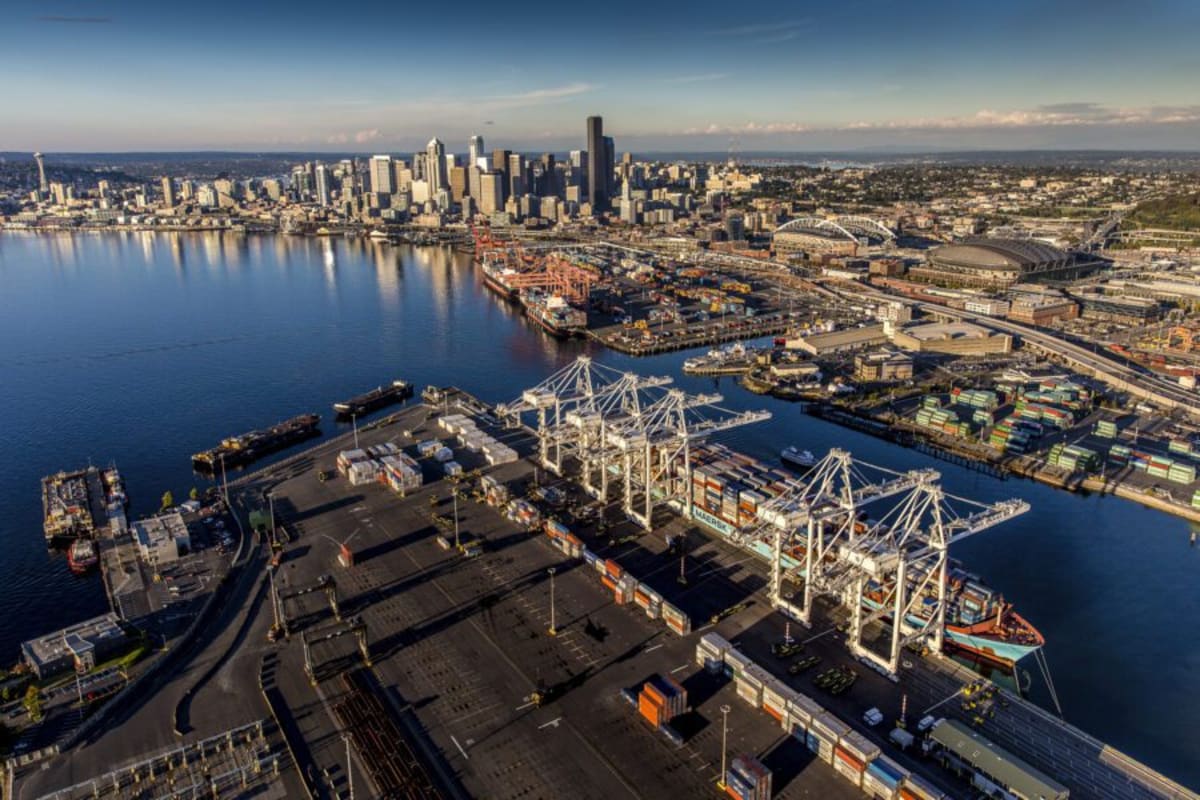
The timing couldn't be better. Clean energy companies need industrial space to prototype and manufacture, and that's increasingly rare in major cities. Seattle preserved its industrial lands specifically for this moment, keeping them close to world-class research institutions and talent pools.
Those industrial zones come with built-in advantages. Aerospace, maritime, and municipal customers already based there are hungry for clean energy innovation. The Port of Seattle provides direct access to Pacific Rim supply chains and markets, letting companies distribute products globally without the logistical headaches.
The workforce is ready too. Through partnerships between Seattle Public Utilities, Seattle City Light, labor unions, and education programs, students and apprentices are gaining skills to support clean technology production. Electricians, machinists, and technicians are being trained for jobs that will power this new economy for decades.
The proof is already here. Seattle and the Puget Sound region host some of America's most advanced fusion companies, including Avalanche Energy, CTFusion, and Helion. Battery production and storage leaders like Electric Era, Emerald Battery Labs, Bayou Energy, and Doosan GridTech have also made the region home. Geothermal, solar, and wind companies are building there too.
The Ripple Effect
When clean energy companies cluster in one place, the benefits multiply fast. Startups share insights with researchers. Manufacturers find suppliers next door. Workers trained at one company bring expertise to the next. Seattle's intentional approach to building this ecosystem means every new company that arrives makes the region stronger for the ones that follow.
The concentration of talent and resources creates a feedback loop. Universities produce research that startups commercialize. Those startups need workers that training programs supply. Success stories attract more investment and more companies, deepening the talent pool and expanding the network.
Seattle's bet on clean energy isn't just about environmental impact. It's about economic opportunity in an industry that will define the next several decades. The technologies being developed there today could power homes, vehicles, and cities worldwide tomorrow.
The clean energy future needs a place where innovation, manufacturing capability, skilled workers, and global connections all come together in one spot, and Seattle just raised its hand.
More Images
Based on reporting by Google News - Clean Energy
This story was written by BrightWire based on verified news reports.
Spread the positivity!
Share this good news with someone who needs it