
Seattle Co-op Cuts Housing Costs in Half With Shared Living
In one of America's priciest housing markets, a new Seattle co-op is selling homes for under $400,000 by bringing back communal living. Eighteen neighbors aged 3 to 80 are proving that sharing space can mean gaining community.
When Jon Starkes bought his Seattle home for $180,000, he got something money usually can't buy in the city: a real neighborhood family.
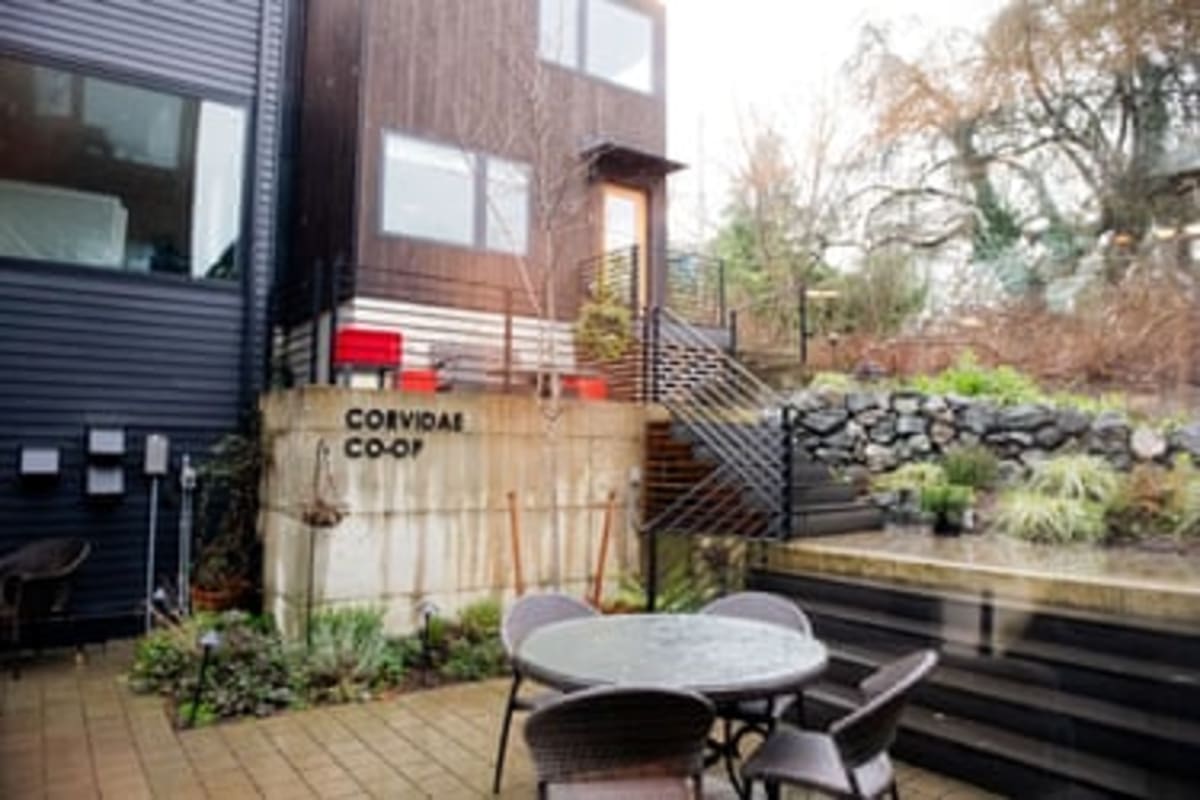
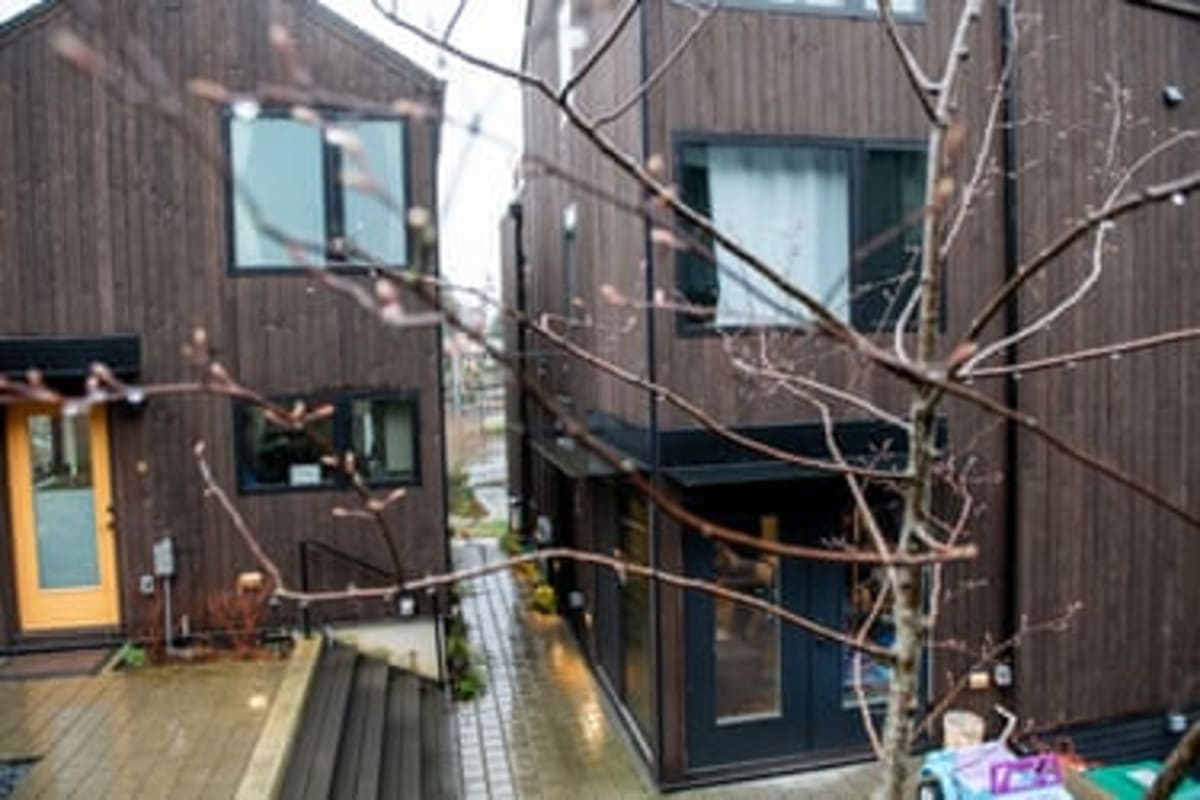
Corvidae Co-op in Seattle's Beacon Hill offers 10 homes priced far below the city's $800,000 median. The secret isn't cutting corners but sharing them. Residents own private units but split outdoor decks, large group kitchens, laundry facilities, and a guest suite.
Developer Allied8 made it work by building on two recently up-zoned lots and tapping affordable housing subsidies. Units range from Starkes' 160-square-foot "treehouse" studio to two-bedroom apartments selling for $620,000. In Seattle's brutal housing market, these prices feel almost impossible.
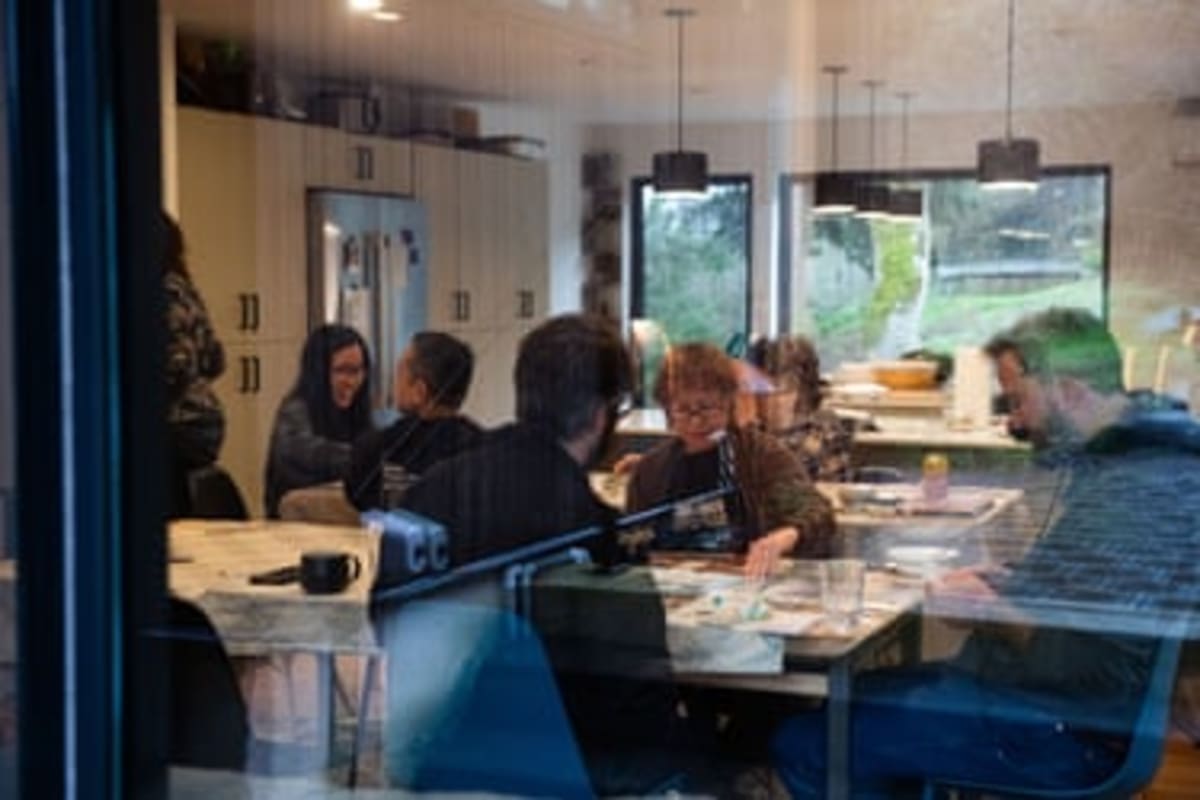
The real value goes beyond the price tag. Eighteen residents between ages 3 and 80 have created what they call a "circumstantial family." They play mahjong together, practice Spanish, share comics, and rotate cooking communal meals.
For Starkes, a middle school teacher, the co-op fills a gap many young adults face today. "My wife and I don't have our own kids, and our parents don't live on this side of the country," he said. "And yet, there are people at the co-op who feel like they play both of those roles for us."
Retired cello professor Elizabeth Simkin returned to Seattle after 27 years away specifically to join the co-op near her children. "This feels like an alternative to some of the pitfalls of modern life," she said.
The Ripple Effect
The co-op model solves more than housing costs. Sharing food, tools, and household goods cuts daily expenses for everyone. Regular meetings keep the garden growing (they just planted a peach tree) and maintain community bonds.
Resident Jeanie Chunn captures the balance perfectly. "It's really nice to have people around all of the time," she said. "And it's large enough where people go back to their own spaces if they are feeling socially drained."
The co-op shows cities nationwide a path forward: build smaller, share smarter, and rediscover the village that modern life left behind.
More Images

Based on reporting by Guardian Environment
This story was written by BrightWire based on verified news reports.
Spread the positivity!
Share this good news with someone who needs it

