Seattle Pays Tribes $1.35B to Restore River Salmon
After a century of denying its dams blocked salmon migration, Seattle just signed the largest utility-to-tribe payout in American history. Three small tribes will receive $1.35 billion to restore the fish that sustained their culture for hundreds of years.
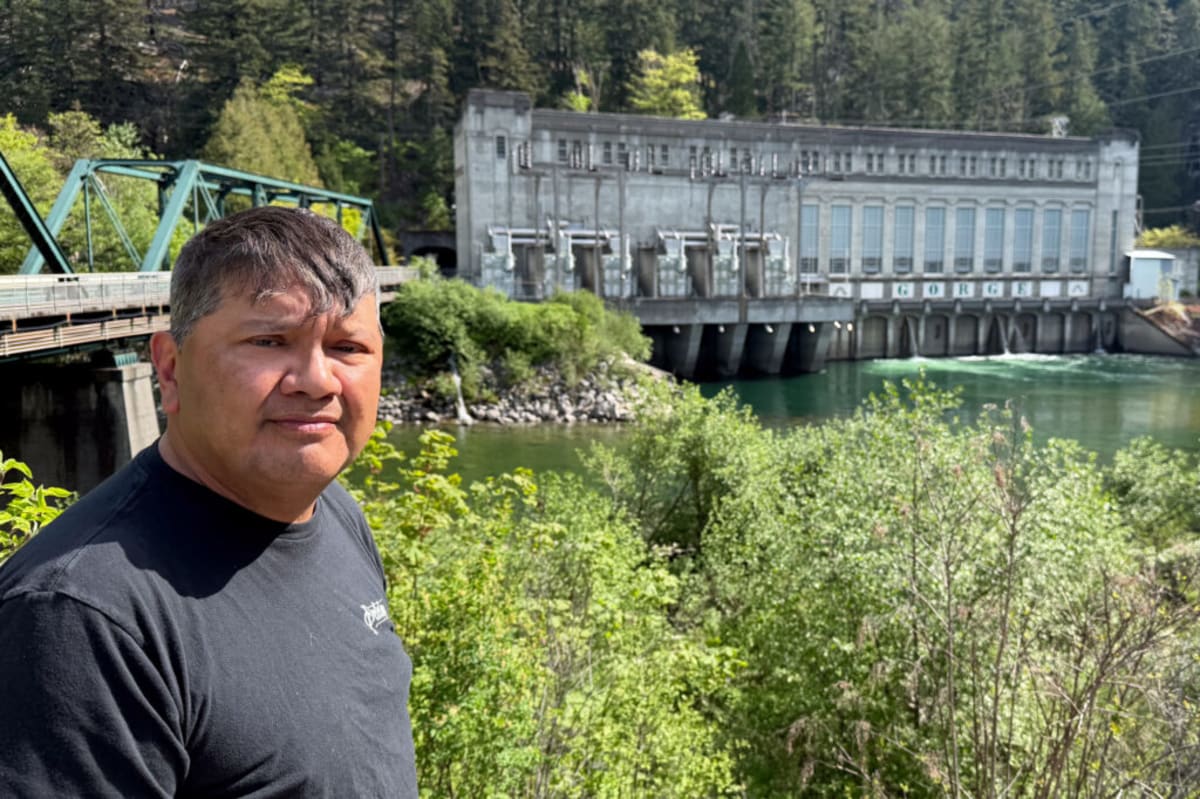
Seattle City Light built three dams on the Skagit River starting in 1924, powering one of America's greenest cities while quietly insisting the dams didn't harm salmon runs. That century-old claim just cost the utility $1.35 billion.
Mayor Katie B. Wilson signed a historic settlement Tuesday with three Skagit River tribes whose lives revolved around healthy salmon runs before the dams. The agreement commits Seattle to creating fish passage systems and funding tribal restoration projects over the next 50 years.
The utility had long argued the upper Skagit River was too wild for salmon even before the dams were built. But Indigenous oral history, biological evidence, and investigative reports told a different story about a river that once teemed with migrating fish.
Nearly $1 billion will go toward building fish passage systems. Young salmon will be trucked around the dams to swim out to the Pacific, while adult salmon returning from the ocean will be transported upstream to spawn.
The remaining funds will support reservation projects, direct payments to tribal members, and habitat restoration in the Skagit River delta. The Skagit is the third-largest river on the West Coast, flowing 120 miles from British Columbia to Puget Sound.
The settlement took nearly a decade of bitter negotiations. Scott Schuyler of the Upper Skagit Indian Tribe had a heart attack in 2022 that he attributes to the stress of the process, but he and other tribal leaders persisted.
The Ripple Effect
This deal represents more than money. It shows how powerlessness in Indian Country can transform into real negotiating strength through outspoken leadership, legal expertise, and changing public attitudes toward Indigenous people.
Seattle ratepayers will see significant electricity rate increases to fund the settlement. But the city now calls the tribes "essential partners" in the future of the river and its habitat, a dramatic shift from a century of denial.
The agreement secures a third 50-year license for the Skagit dams from federal regulators while finally acknowledging what the tribes always knew: their river deserves its salmon back.
Based on reporting by Inside Climate News
This story was written by BrightWire based on verified news reports.
Spread the positivity!
Share this good news with someone who needs it