
Seattle Students Get Self-Driving Lab on Wheels
Northeastern University students are learning robotics and autonomous driving with a sensor-packed Ford Mustang that collects 10 gigabytes of data per minute. The converted electric SUV is helping them develop navigation tech that could aid everyone from drivers to the visually impaired.
Students at Northeastern University's Seattle campus just got a research lab that goes from zero to 60 in under five seconds.
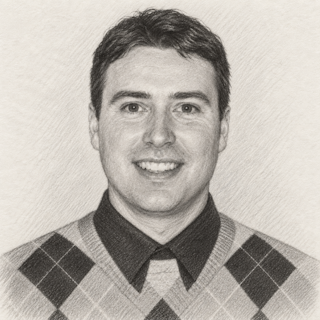
Professor Xian Li steers a bright red Ford Mustang Mach-E through downtown Seattle, past the headquarters of Amazon and Microsoft. But this isn't your typical muscle car. Equipped with four cameras, LiDAR scanners, radar, GPS, and eight terabytes of storage, the electric SUV collects a staggering 10 gigabytes of data every single minute.
The vehicle serves as a mobile classroom for students studying robotics, computer vision, and autonomous driving. They use real-world data from Seattle streets to build and test their own navigation algorithms, gaining hands-on experience with challenges that can't be replicated in computer simulations.
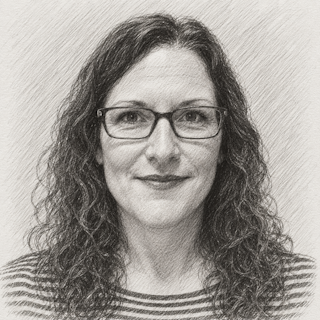
"Not all students have access to something like this," said Xinlei Li, a master's student who helped mount the car's sensors. "I always wondered whether I would ever drive something like this, so this is pretty cool to me."
The sensors work together to create a complete picture of the environment. Cameras capture images, LiDAR generates 3D maps, radar measures speed and distance of nearby objects, and GPS tracks location. Students learn how to combine these different data sources to help vehicles recognize pedestrians, read speed limit signs, and stay safely within lanes.
Professor Li and his students are working to advance the Mustang's autonomous capabilities beyond its current Level 2 system. Right now, even Tesla's most advanced "Full Self-Driving" technology only reaches Level 2 on a six-level scale. True Level 5 vehicles, where passengers could safely nap during the drive, don't exist yet and won't for at least another decade.
Why This Inspires
The lessons students learn extend far beyond personal vehicles. Xinlei Li has already used navigation data from the Mustang to develop technology helping visually impaired people navigate unfamiliar spaces. Another student, Vittoria Bitton, researched how environmental imagery could aid search-and-rescue operations.
The project shows how accessible education in cutting-edge technology can spark innovations that help everyone. By giving students hands-on experience with expensive research equipment, Northeastern is preparing the next generation of engineers to solve real-world problems.
The sensor-filled Mustang proves that the future of autonomous technology isn't just being built in corporate labs—it's being shaped by curious students learning one Seattle street at a time.
More Images


Based on reporting by Phys.org - Technology
This story was written by BrightWire based on verified news reports.
Building Something New? Try the BrightWire Tech Stack Advisor
Compare modern frameworks, cloud hosting, and AI tools tailored to your project budget and scale.
Spread the positivity!
Share this good news with someone who needs it


