Seattle Utility Shapes Energy Plans With 2,000 Residents
Seattle City Light asked 2,000 community members what matters most for their energy future, and those voices are now shaping a decade of clean power decisions. The utility prioritized listening to people who rarely get heard in major policy conversations.
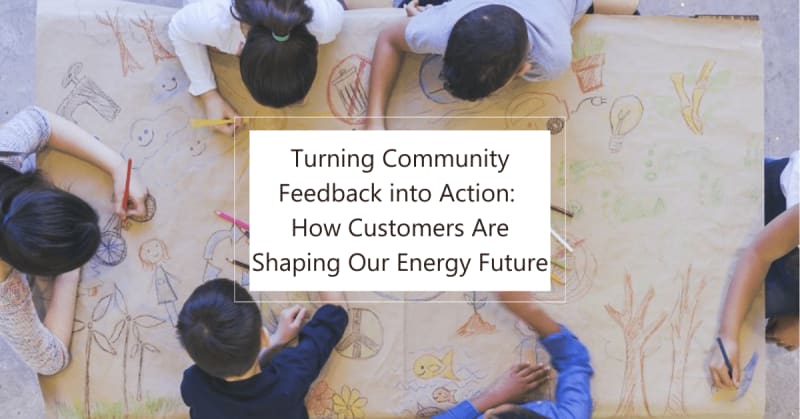
When a major city utility asks what you really need, something powerful happens. Seattle City Light spent the past year gathering input from more than 2,000 residents across 16 community events and 20 group conversations, reaching people in over 15 languages to shape the next 10 years of energy service.
The utility teamed up with Seattle's Department of Neighborhoods to intentionally seek out voices that often get overlooked in big planning decisions. Staff showed up at neighborhood festivals, block parties, and community gatherings from Lake City to Tukwila to Shoreline, making sure the people most affected by energy decisions had a direct say in making them.
What residents asked for was both simple and profound. They wanted help for neighbors struggling with high energy bills and climate impacts. They asked for programs that actually fit into real life instead of requiring complicated paperwork or confusing steps.
People connected reliable electricity to bigger questions about health, safety, and their children's futures. They wanted clearer information about what their utility does and how they can participate. Young people especially wanted to know about green energy career paths opening up in their own community.
Now those conversations are being translated into action. Seattle City Light is using the feedback to shape three major planning documents: a 10-year strategic plan, a Clean Energy Implementation Plan, and an Integrated Resource Plan that all work together toward the same community priorities.
The Ripple Effect
When utilities listen this deeply, the impact reaches far beyond one city's power grid. Seattle's approach shows how essential services can be designed with communities instead of just for them. The model proves that gathering thousands of voices across language barriers and neighborhood lines isn't just good public relations. It creates better, more effective plans that actually serve the people paying the bills.
The commitment to green jobs awareness addresses economic equity alongside environmental goals. By connecting young residents to emerging career opportunities in clean energy, the utility is helping build both a sustainable grid and pathways out of poverty.
Residents can still share input through an online form until March 31, 2026, keeping the conversation alive as plans take shape and evolve with community needs.
More Images

Based on reporting by Google News - Clean Energy
This story was written by BrightWire based on verified news reports.
Spread the positivity!
Share this good news with someone who needs it