Senegal Voters to Decide Power-Sharing Reforms
Senegal's parliament approved constitutional reforms that would shift more authority to lawmakers and limit presidential powers, but the final decision now rests with the people. A national referendum will let Senegalese citizens vote on their country's political future.
Democracy is getting a workout in Senegal, where citizens will soon vote on reshaping how their government works.
Parliament recently passed constitutional reforms that would shift the balance of power in the West African nation. The changes would strengthen oversight by the National Assembly, boost the prime minister's authority, and limit presidential powers in new ways.
Under the proposed reforms, a sitting president would no longer be allowed to lead a political party. The plan also creates a new Constitutional Court to provide stronger checks on executive power.
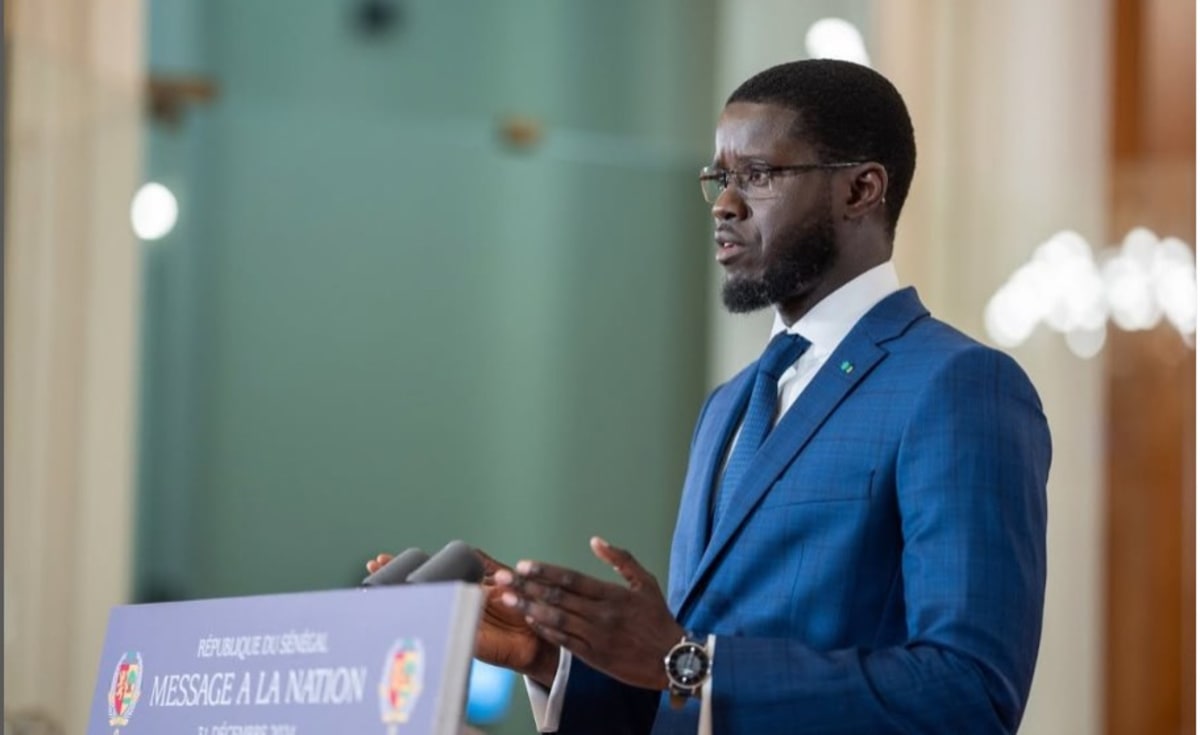
President Bassirou Diomaye Faye quickly responded to the parliamentary vote by announcing a national referendum. Rather than implementing the changes immediately, he's putting the decision directly in the hands of Senegalese voters.
The parliamentary vote highlighted deep divisions. Opposition lawmakers walked out, arguing the reforms weren't discussed broadly enough with different political groups. Protests erupted outside parliament, and police used tear gas to control crowds.
The tension centers on a growing rift between President Faye and parliamentary Speaker Ousmane Sonko. The ruling Pastef party pushed the reforms forward, while critics say the changes weaken the presidency too much.
The Bright Side
Here's what makes this moment significant: Senegal is choosing dialogue over division. Despite heated disagreements about how power should be distributed, the country is turning to its most democratic tool to settle the debate.
A referendum means every eligible Senegalese citizen gets a voice in this decision. Whether they support a stronger parliament or prefer maintaining presidential authority, they'll have equal say at the ballot box.
This approach reflects Senegal's strong democratic tradition. The country has earned recognition across Africa for peaceful transfers of power and stable governance. By letting citizens decide on constitutional changes, Senegal is reinforcing those democratic values.
The reforms touch fundamental questions about governance: How should power be shared? What checks and balances work best? How can institutions hold leaders accountable while remaining effective?
These aren't easy questions, and reasonable people disagree on the answers. What matters is that Senegalese citizens will answer them together through a transparent, democratic process.
Whatever the referendum's outcome, the process itself demonstrates faith in democratic institutions and citizen participation.
Based on reporting by AllAfrica - Headlines
This story was written by BrightWire based on verified news reports.
Spread the positivity!
Share this good news with someone who needs it