Senegal's 121 Solar-Powered Buses Cut Pollution & Jobs
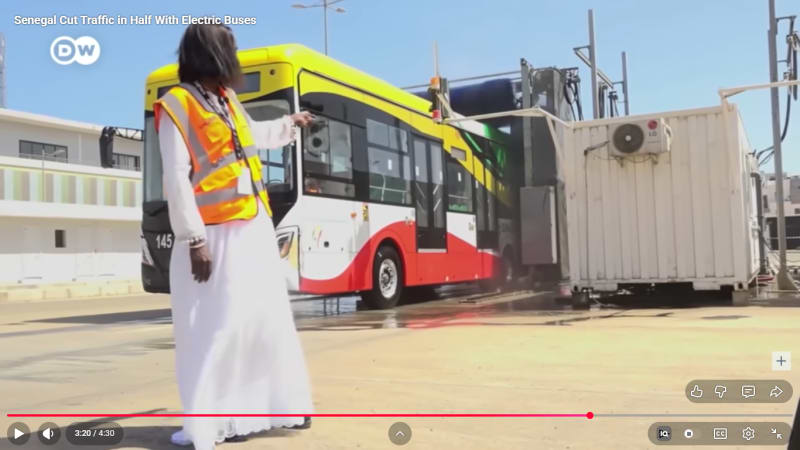
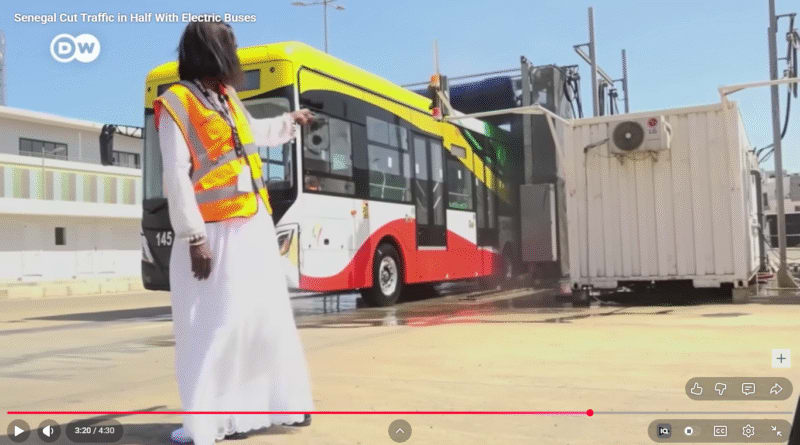
Senegal just put 121 fully electric buses on the road, all powered by sunshine instead of fossil fuels. Drivers who once relied on cars are choosing these clean buses, slashing emissions and proving green transportation works in West Africa.
📺 Watch the full story above
Senegal is showing the world how to build cleaner cities without waiting for permission. The West African nation now runs 121 fully electric buses through its streets, all powered by solar energy generated right at home.
The impact goes beyond just replacing diesel engines. These buses prevent 59 million tons of CO2 emissions each year compared to traditional diesel buses, while giving residents a transportation option so appealing that former car drivers are voluntarily making the switch.
Bus drivers are noticing immediate health benefits too. Without toxic diesel fumes filling their workspace every day, drivers report breathing easier and feeling better during their shifts. One driver explained that eliminating those exhaust clouds makes a real difference when you spend eight hours behind the wheel.
The financial picture tells an equally compelling story. Senegal previously imported 50 to 60 percent of its refined fuel from Russia, sending massive amounts of money overseas for energy it can now produce itself. Every kilowatt generated domestically stays in the local economy, funding jobs and infrastructure instead of enriching foreign oil suppliers.
Solar power makes perfect sense for a country blessed with abundant sunshine year-round. The same sun that beats down on Dakar's streets now charges the buses that keep the city moving, creating a sustainable loop that strengthens with each passing day.
The employment ripple extends beyond driving jobs. Installing solar panels, maintaining electric bus fleets, and managing charging infrastructure all require skilled workers, creating opportunities in a growing green economy.
The Ripple Effect
These 121 buses represent more than clean transportation. They're rolling proof of concept for an entire continent watching to see if electric vehicles can thrive in African conditions.
The buses themselves are massive batteries on wheels. During power outages or grid emergencies, they could potentially feed electricity back to neighborhoods, turning public transportation into mobile backup power stations.
When bus batteries eventually lose charging capacity for transportation use, they get a second career providing stationary energy storage. This extends their useful life by years and squeezes maximum value from every component.
Starting with 121 buses means the template exists for expansion. Dakar can scale this fleet to hundreds or eventually thousands, transforming urban air quality across the entire capital and beyond.
Other developing nations are taking notes. If Senegal can build solar-powered public transportation while reducing import dependency and creating jobs, the model becomes exportable to cities facing similar challenges worldwide.
The future Senegal is building runs on sunshine, not oil shipments. That future looks brighter every time one of those 121 buses pulls up to a stop, doors opening to reveal a cleaner way forward.
More Images
Based on reporting by CleanTechnica
This story was written by BrightWire based on verified news reports.
Spread the positivity!
Share this good news with someone who needs it