September 2026: Venus, Neptune, and a Diamond Moon Await
September 2026 brings a sky full of wonders you can spot without fancy equipment. From Venus shining at its brightest to the moon appearing to wear diamonds, this month offers stargazers something special almost every week.
September 2026 is giving stargazers plenty of reasons to look up, with celestial events unfolding nearly every week throughout the month.
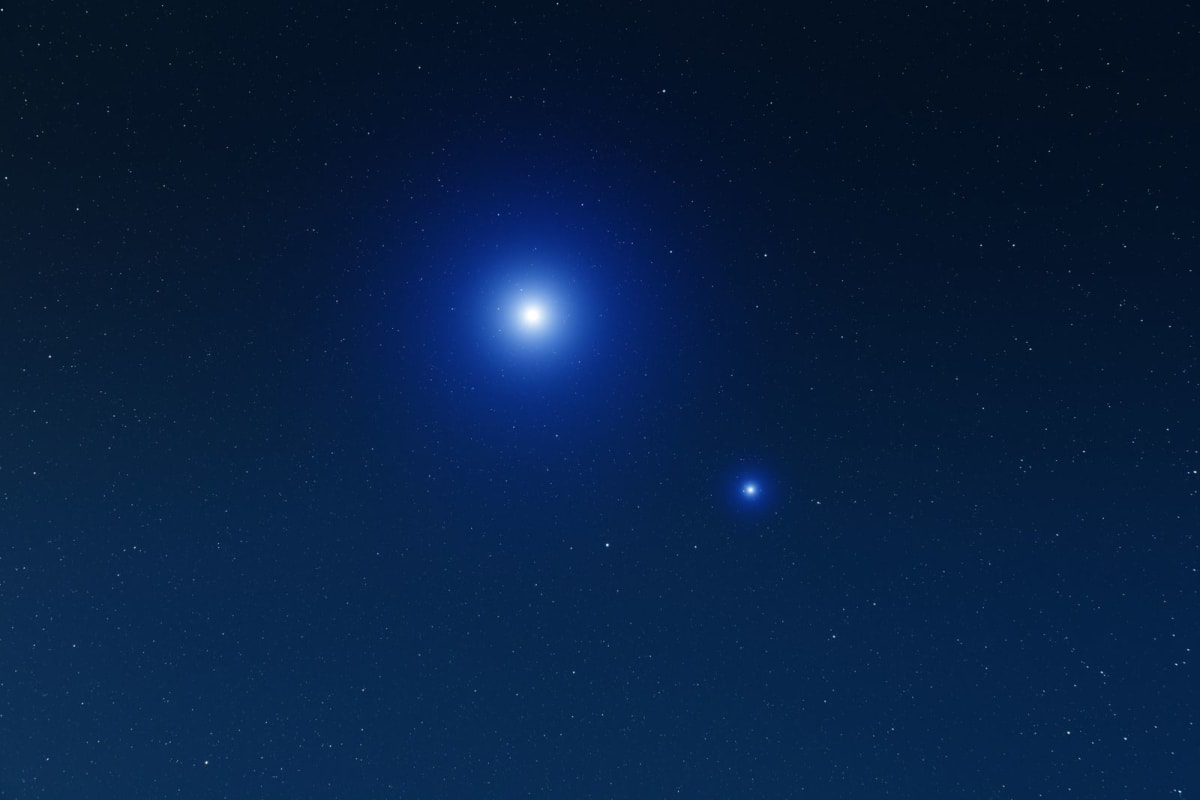
The show kicks off September 1 and 2 when Venus appears alongside Spica, one of the brightest stars in the constellation Virgo. Both will be visible to the naked eye, with Venus shining brilliantly as a white dot while Spica glimmers faintly nearby in blue.
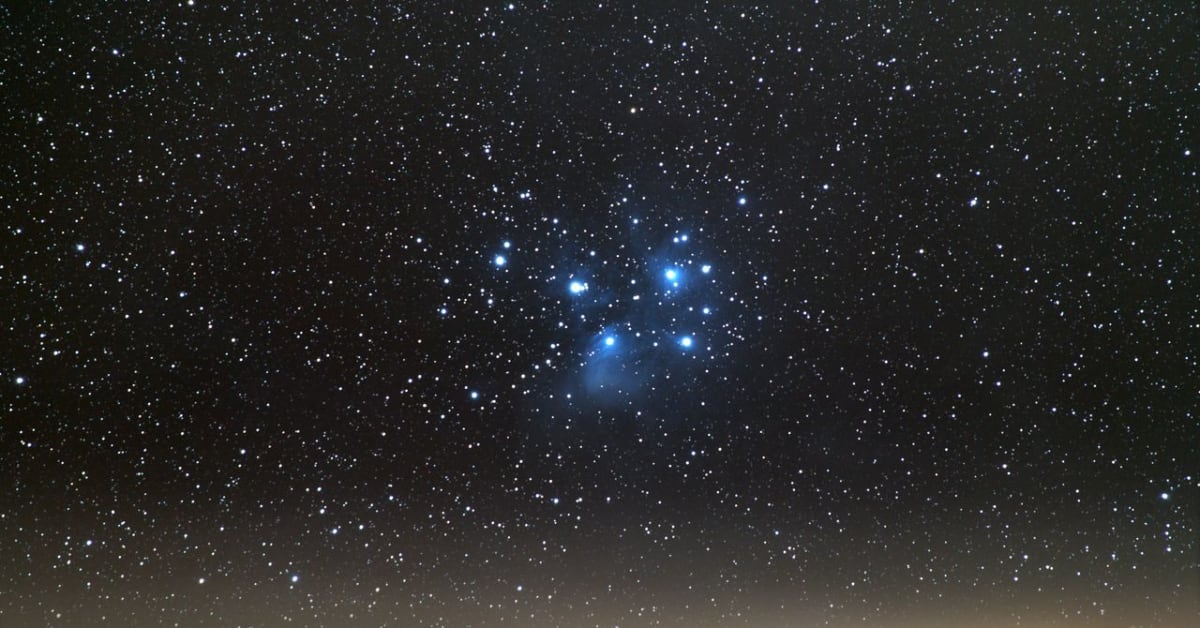
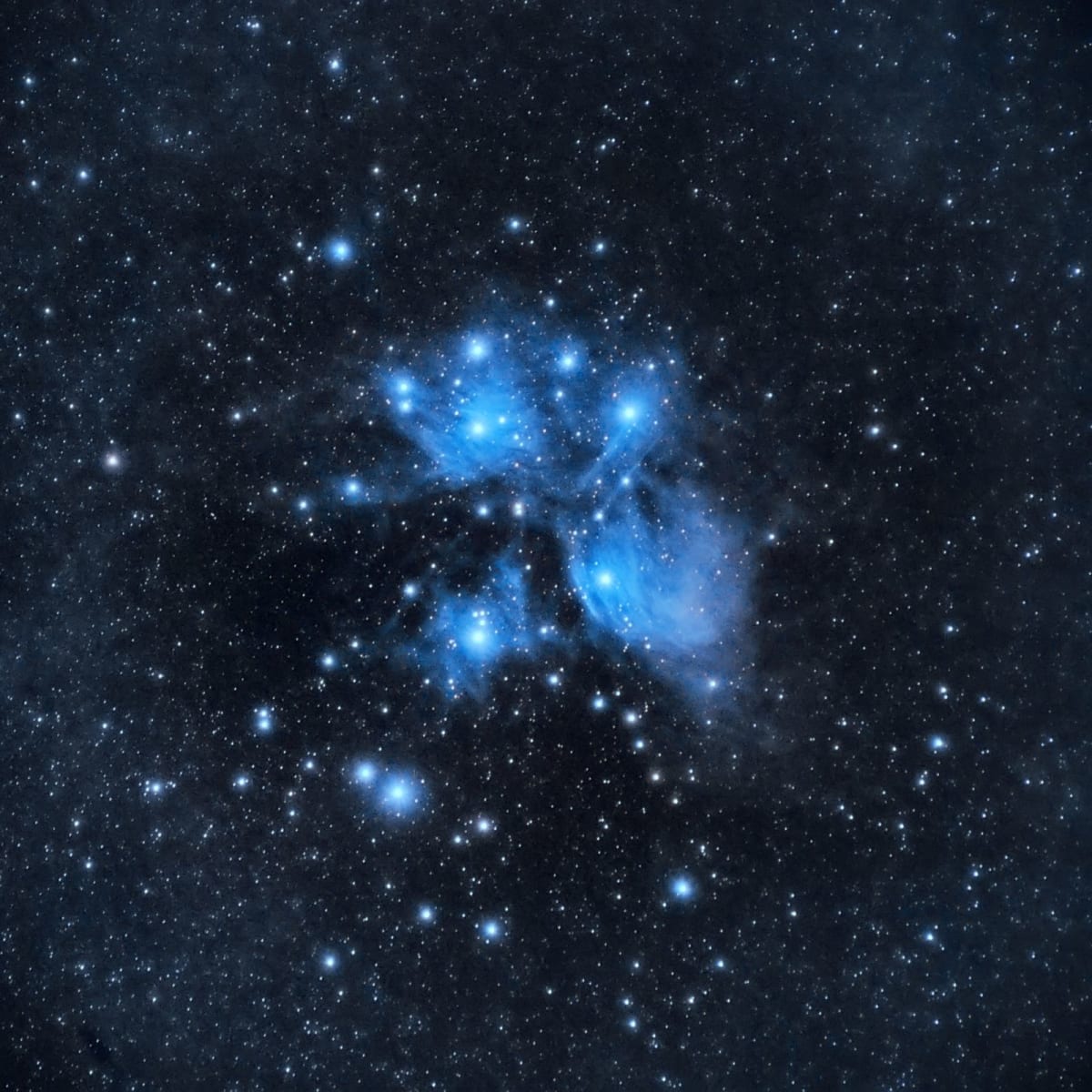
On September 3, the moon gets a dazzling accessory. It will appear just over one degree away from the Pleiades star cluster, also known as the Seven Sisters.
The Pleiades contains hundreds of young stars born at roughly the same time, though only six or seven are typically visible without a telescope. When positioned next to the 59 percent illuminated moon, they'll look like diamonds scattered across the sky.
Early risers on September 9 and 10 can catch the Epsilon Perseids meteor shower, producing up to eight shooting stars per hour. While that's fewer than the famous August Perseids, this shower has a secret advantage: it peaks just two days before the new moon, making skies perfectly dark for viewing.
Venus steals the spotlight again on September 22, reaching its brightest point of the year at magnitude negative 4.8. For context, that makes it thousands of times brighter than Sirius, the sky's brightest star. Look west after sunset to catch it glowing near the horizon.
September 23 brings the autumn equinox for the northern hemisphere and spring for the south, marking the moment when the sun crosses the equator on its southward journey.
The month wraps up September 26 with Neptune reaching opposition, when Earth sits roughly between the ice giant and the sun. While Neptune still requires a telescope to spot, this positioning offers one of the best chances all year to glimpse the solar system's most distant planet.
Why This Inspires
These celestial events remind us that wonder doesn't require expensive equipment or expert knowledge. Most of September's sky shows are free and accessible to anyone willing to step outside and look up. The fact that Venus, the Pleiades, and meteor showers follow predictable patterns also connects us to generations of humans who looked at these same skies with the same sense of awe. In our screen-filled lives, the night sky offers a rare invitation to pause, look beyond ourselves, and remember we're part of something vast and beautiful.
Mark your calendar, find a dark spot away from city lights, and let the universe put on a show.
More Images


Based on reporting by Wired Science
This story was written by BrightWire based on verified news reports.
Spread the positivity!
Share this good news with someone who needs it