Seville Cools Public Spaces With 2,000-Year-Old Tech
A Spanish city is beating extreme heat by reviving ancient underground water systems, creating cool public spaces for 30,000 daily visitors without air conditioning. The blend of millennia-old design and solar power is turning scorching plazas into comfortable gathering spots.
In one of Europe's hottest cities, people are finding relief from blistering heat in public spaces cooled by technology that's thousands of years old.
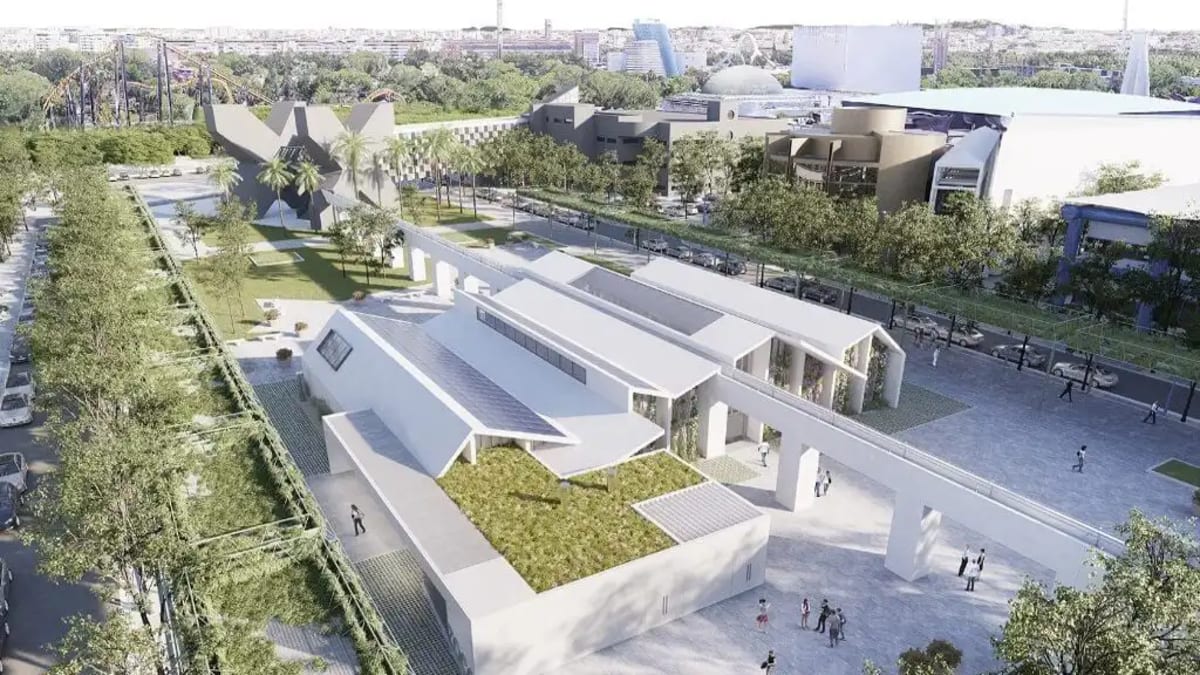
Seville, Spain has transformed two public gathering areas using an updated version of qanats, the ancient underground aqueduct systems first developed in Persia. About 30,000 people who work and study in the city's Isla de La Cartuja neighborhood now have access to naturally cooled spaces that can accommodate up to 600 people total.
The system works beautifully simple. At night, when temperatures drop, water cools naturally in underground pipes. Solar-powered pumps send some water to the rooftop, where it's sprayed in a thin layer to cool even faster before draining back down. During the day, when heat peaks, that cool water flows through ceiling pipes and underground channels, lowering air temperatures by up to 36,000 square meters per hour.
Researcher Maria de la Paz Montero Gutiérrez from the University of Seville oversees the project from a control room beneath the former 1992 World Expo site. Banks of monitors track heat, humidity and wind speed above ground. The team adjusts different cooling methods based on real-time conditions, sending cool air through ducts and releasing outdoor mist to drop temperatures through evaporation.
The EU-funded CartujaQanat project installed these systems in 2020 in two locations: a newly built 750-square meter space called the Agora and a renovated amphitheater from the 1990s. Both spaces now stay comfortably cool without traditional air conditioning.
The Ripple Effect
This project shows how looking backward can move us forward. As cities worldwide face rising temperatures from climate change, Seville is proving that ancient engineering wisdom combined with modern solar technology can create sustainable cooling solutions. The system uses minimal electricity, produces no emissions, and turns public spaces into climate refuges during dangerous heat waves.
Other scorching cities are watching closely. If underground cooling works in one of Europe's hottest urban areas, it could work almost anywhere facing extreme heat.
Seville's 30,000 daily visitors now have proof that staying cool doesn't require energy-guzzling air conditioners, just smart design that works with nature instead of against it.
More Images
Based on reporting by Fast Company
This story was written by BrightWire based on verified news reports.
Spread the positivity!
Share this good news with someone who needs it