.jpg)
SF Nonprofit Turns to Robot Volunteers to Feed Thousands
When corporate volunteers disappeared after the pandemic, a San Francisco meal charity found an unexpected solution. Now robots work alongside humans to deliver 200 extra meals per hour to people in need.
Project Open Hand faced a problem many charities know too well: not enough volunteers to pack meals for vulnerable San Franciscans who depend on them.
The nonprofit has delivered medically tailored meals since 1985, starting with AIDS patients and expanding to serve people with heart disease, diabetes, and kidney disease. But after the pandemic emptied downtown offices, the corporate volunteer groups that once filled their assembly lines vanished.
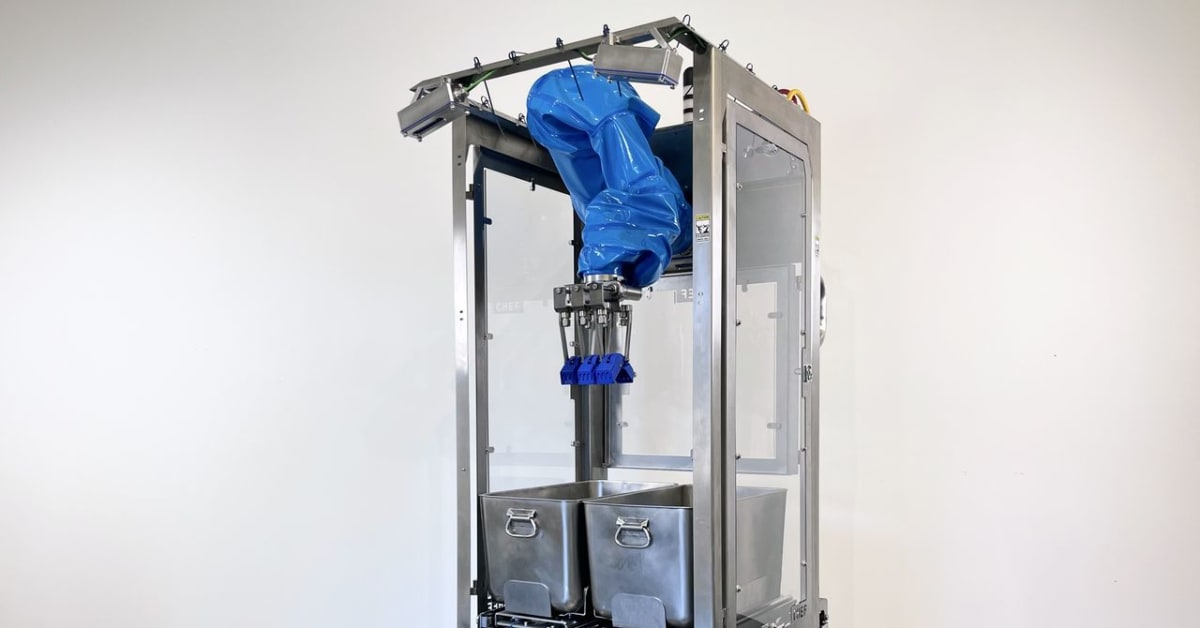
Enter an unlikely helper. Two robot arms now spend a few hours each day scooping potato salad and other sides onto meal trays in the organization's Tenderloin district kitchen.
The robots come from Chef Robotics, a San Francisco company that builds AI-powered plating machines for the food industry. The partnership started with a chance conversation between employees from both organizations on a BART train.
CEO Paul Hepfer says the robots aren't replacing anyone. The nonprofit simply couldn't find enough people to do the repetitive assembly work. "It's not even that they're faster," explains sous chef Alma Caceres. "It's that we don't have the volunteers."
The machines add about 200 meals per hour to the 500 that human volunteers already complete. That means 200 more people get fed each day. Human volunteers now focus on more engaging tasks like cooking, chopping vegetables, and preparing meals for delivery.
The robots aren't perfect. They occasionally miss their mark and drop food where it doesn't belong. One volunteer's job is wiping stray bits off trays before they get sealed. But their consistency helps Project Open Hand meet the complex dietary needs of patients with different medical conditions and allergies.
The Ripple Effect
Hepfer hopes the robot volunteers might inspire something bigger. San Francisco's AI boom has brought money and jobs back to the city, but that wealth hasn't translated into the kind of community engagement nonprofits need.
"There are so many new businesses—AI businesses, biopharma businesses—that aren't engaged the way they were pre-pandemic," Hepfer says. He believes the city needs to figure out how to reconnect its thriving tech sector with organizations serving its most vulnerable residents.
For now, the robots provide a practical bridge. They fill a gap until human volunteers return, proving that technology doesn't have to replace people to make a difference.
In the Tenderloin, where innovation rarely reaches, two robot arms are helping feed thousands of people who need it most.
More Images




Based on reporting by Wired
This story was written by BrightWire based on verified news reports.
Spread the positivity!
Share this good news with someone who needs it
%2Ffile%2Fattachments%2F2992%2F688635092_1403790941795291_6434669868162454614_n_856400.jpg)