Shape-Shifting Robot Morphs Into Different Animals
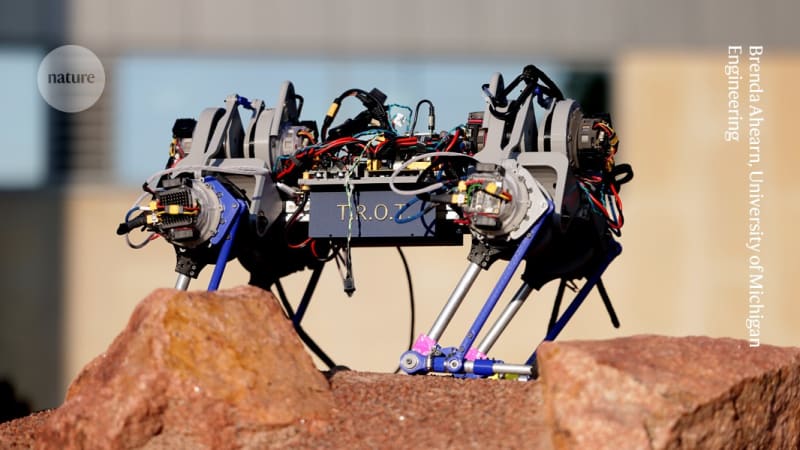
Scientists have created a four-legged robot that can transform its body to mimic different animals, switching between species like a real-life transformer. This breakthrough could help robots tackle any terrain they encounter.
Imagine a robot that could move like a cheetah one moment and climb like a gecko the next. Researchers just made that sci-fi dream a reality.
Scientists have developed a remarkable four-legged robot with customizable limbs that let it morph into different animal shapes. Using advanced 3D printing technology, the team created interchangeable joints that snap on and off, allowing the same robot to adopt the anatomy of various creatures.
The innovation solves a longtime challenge in robotics: how to build machines that can handle unpredictable environments. A robot designed for flat factory floors struggles on rocky mountain trails, while one built for climbing can't run fast across open ground.
This shapeshifting design changes everything. The robot can reconfigure itself before a mission, choosing the best body plan for the job ahead.
In laboratory tests, the morphing robot successfully navigated rugged terrain that would stop conventional robots in their tracks. It adapted its gait and body structure to match whatever obstacles researchers threw at it.
The Ripple Effect
This technology could transform search and rescue operations. A single robot could crawl through tight spaces as a lizard, then switch to a dog-like form to cover open ground quickly, all during one mission.
The possibilities extend far beyond emergencies. Scientists envision these adaptable robots exploring distant planets, where unknown terrain demands flexibility. They could also revolutionize wildlife research, allowing machines to move through natural habitats without disturbing animals.
The manufacturing breakthrough matters too. Rather than building dozens of specialized robots for different tasks, organizations could deploy one versatile machine that reshapes itself as needed, saving money and resources.
The research team's 3D printing approach makes the technology surprisingly accessible. As the printing process becomes more widespread, smaller research groups and companies could develop their own morphing designs.
Future versions might transform automatically in the field, sensing terrain changes and adapting on the fly without human input. The robots could learn from real animals, studying how creatures naturally adjust their movement across different landscapes.
This blend of biology and engineering shows how nature still has lessons to teach us about solving complex problems.
More Images



Based on reporting by Nature News
This story was written by BrightWire based on verified news reports.
Spread the positivity!
Share this good news with someone who needs it