Shark Bay Volunteers Plant 36,000 Seagrass Seedlings by Hand
After a devastating 2011 heatwave killed seagrass across an area twice the size of Singapore, volunteers in Western Australia are bringing Shark Bay's underwater meadows back to life one seedling at a time. Indigenous wisdom and community grit are restoring the playground that dolphins, dugongs, and whales call home.
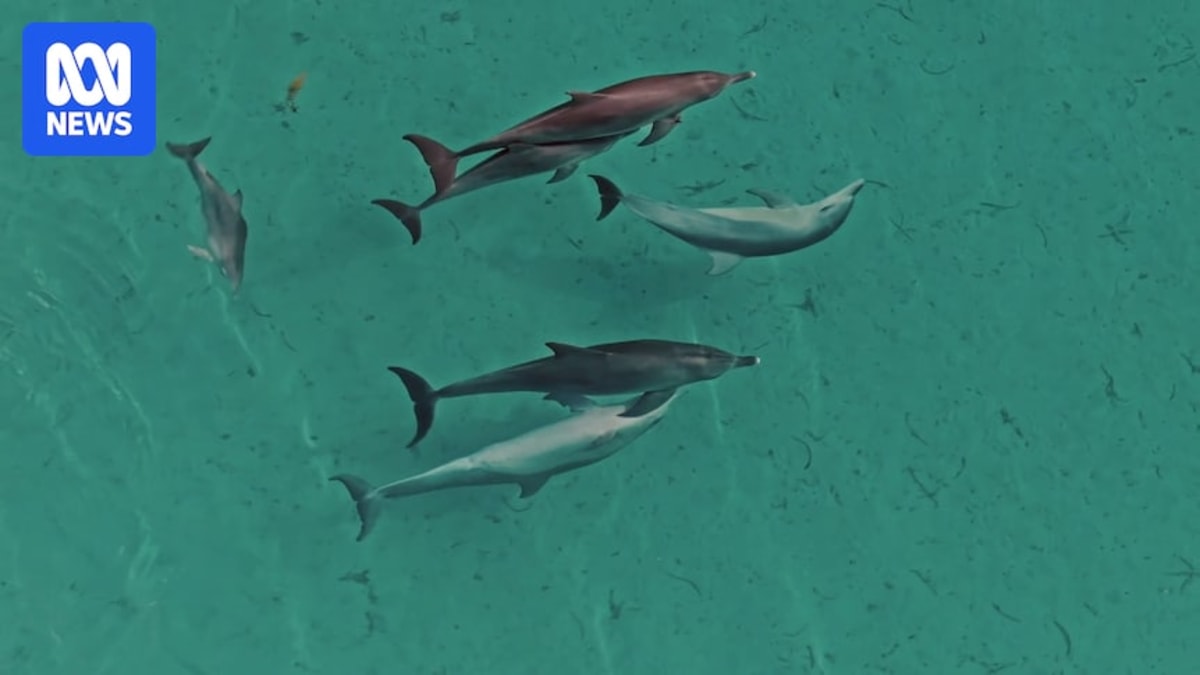
Christina Crossman waited 45 years to see wild dolphins at Shark Bay, and after driving 3,000 kilometers from Adelaide, it looked like they might not show. Then two dolphins glided to shore, tilting their heads to study the crowd gathered at Monkey Mia, and Christina broke down in tears of relief and wonder.
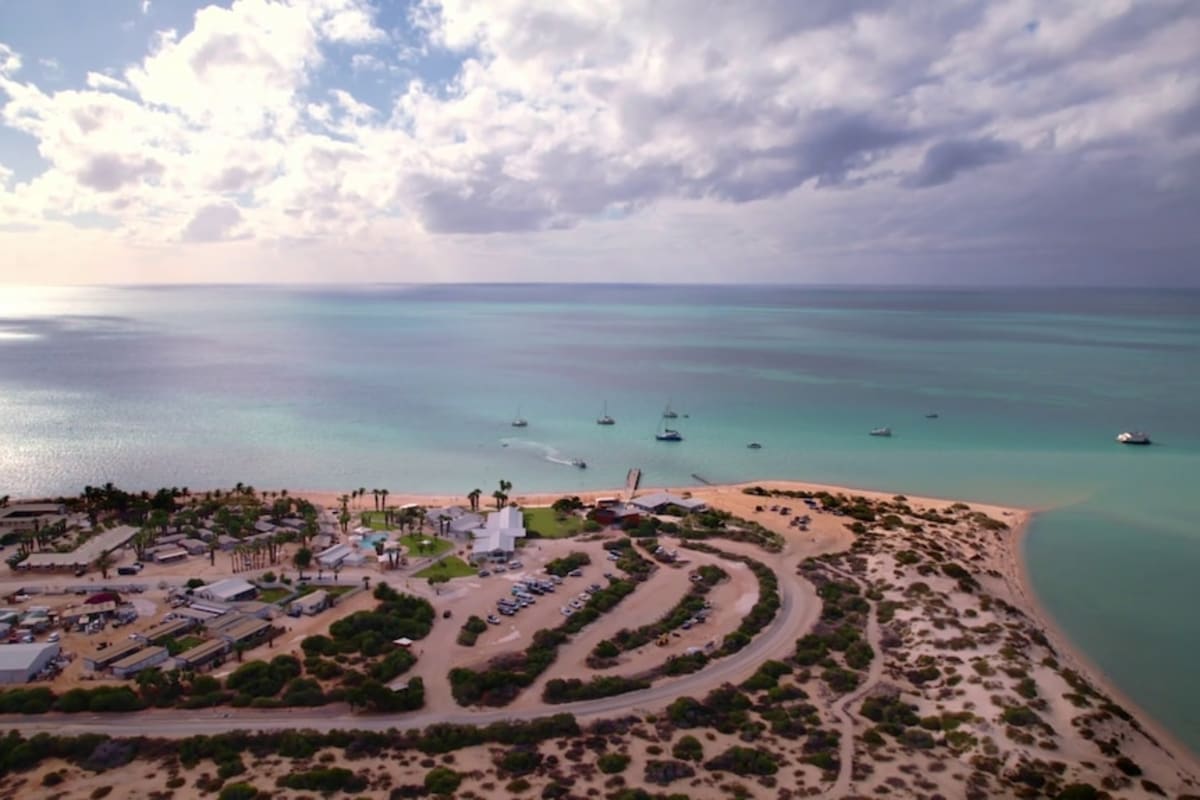
These moments happen because a community refuses to let their heritage-listed treasure fade. Shark Bay in Western Australia is home to the Malgana, Nanda, and Yinggarda people, and its pristine waters host some of the world's most diverse seagrass meadows. Or at least, they did.
In 2011, a brutal heatwave struck. The water turned into a lukewarm bath, and seagrass died across an area twice the size of Singapore. Marine park ranger Laetitia Wear, whose Malgana ancestors have cared for these waters for generations, watched helplessly as dead seagrass washed onto shore.
But devastation sparked action. Before sunrise each morning, volunteers walk the shoreline picking up seagrass seedlings and tucking them into sandbags. A converted pearling vessel has become a seagrass savior, with workers tossing 36,000 planted sandbags off the back in a carefully orchestrated production line.
Every single seedling is planted by hand. The work is funded by government grants, community donations, and sheer determination to restore what was lost. Traditional owners guide the effort with ancient knowledge about how these ecosystems thrive.
The dolphins at Monkey Mia offer a daily reminder of what's at stake. Highly trained volunteers like Joana Oliveira, who left her marine science job in Portugal to work in a Shark Bay coffee shop for a chance to help, now carefully control human interactions with the dolphins. The days of treating these intelligent creatures like circus acts are long gone.
The Ripple Effect
This restoration work extends far beyond seagrass. In 2024, the Malgana people secured a landmark agreement with the Western Australian government to jointly manage 180,000 hectares of new parks and reserves. Indigenous custodians now stand at the center of conservation efforts, protecting everything from coastal waters to inland ranges.
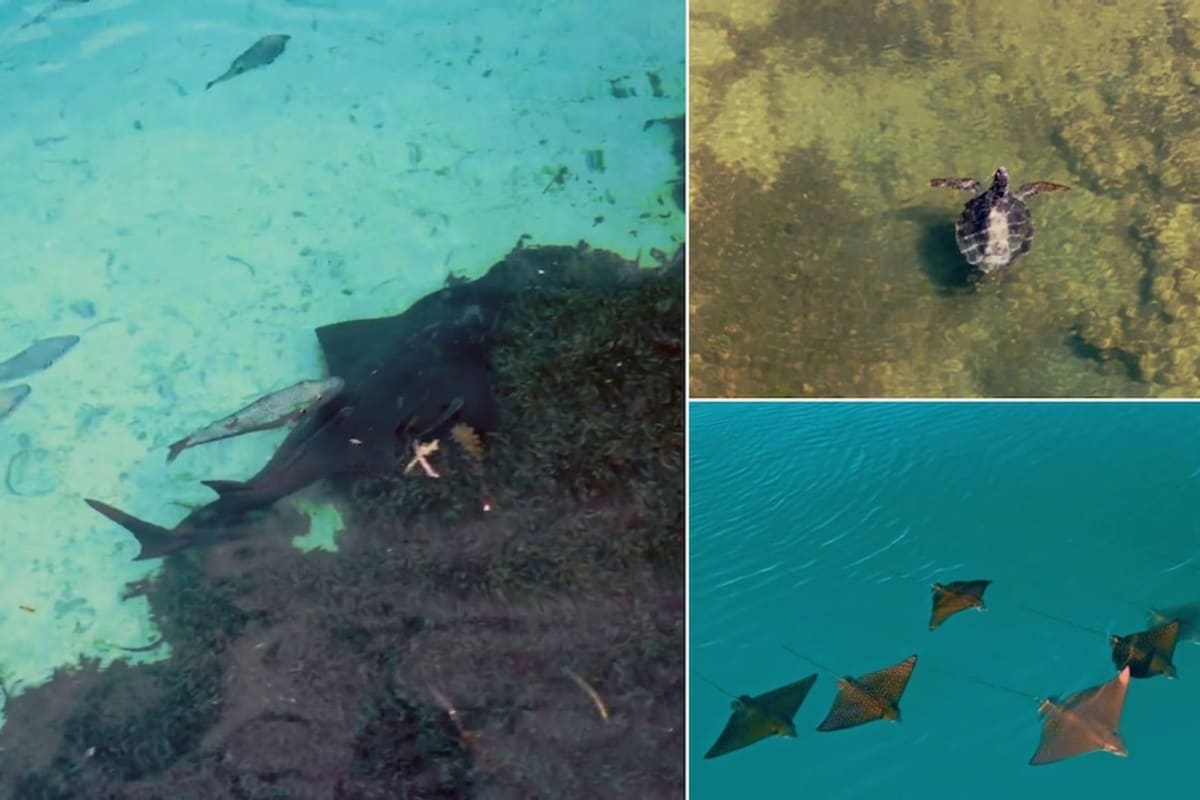
The seagrass meadows feed dugongs and provide nurseries for fish that dolphins hunt. As the meadows grow back, the entire ecosystem strengthens. Volunteer crews plant with the knowledge that they're not just restoring grass but rebuilding an entire underwater world.
Tourists still flock to Shark Bay, but now they're part of a different story. They witness conservation in action and leave understanding that protecting natural treasures requires daily work, ancient wisdom, and communities willing to get their hands dirty planting hope one seedling at a time.
More Images
Based on reporting by ABC Australia
This story was written by BrightWire based on verified news reports.
Spread the positivity!
Share this good news with someone who needs it