Sharks Wearing Cameras Rewrite What Scientists Thought
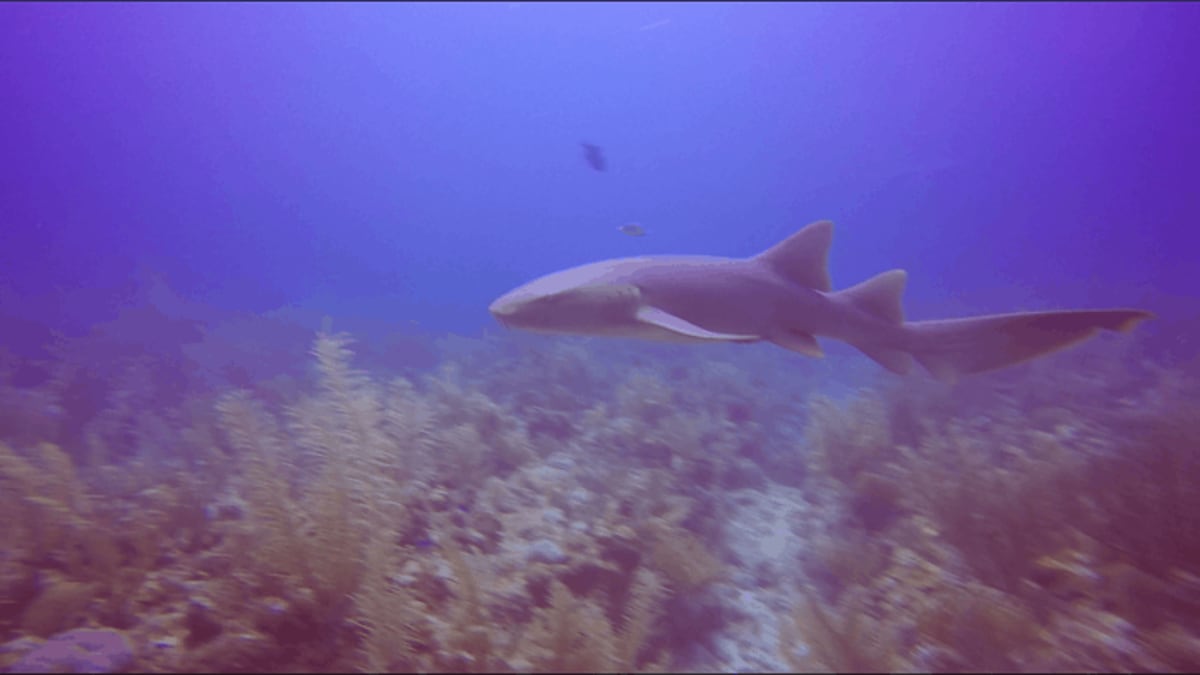
Nurse sharks in Costa Rica are sporting tiny cameras built by Stanford students, revealing these "sluggish" ocean dwellers actually swim hundreds of miles and gather in surprising groups. The discovery is helping scientists understand how sharks will adapt to warming oceans.
Scientists strapped cameras to nurse sharks in Costa Rica and discovered the animals they thought barely moved actually travel hundreds of miles along the coast.
The research is happening in Bahía Santa Elena, a protected bay inside Santa Rosa National Park near the Nicaraguan border. For the past decade, researchers from the University of Costa Rica have been tracking Pacific nurse sharks using underwater listening stations, and now they've added something new: wearable cameras designed by engineering students at Stanford University.
The cameras were a game changer. The new design uses a small chest harness instead of drilling into the shark's fin, and costs eight to 10 times less than similar commercial devices. The cameras record video while logging water temperature, depth, and swimming speed, then automatically release after an hour or two and float to the surface.
Mario Espinoza, the lead researcher, drives six hours from San José every few months to work with the sharks. His team drops a line with 19 hooks near the mangroves where the sharks gather, and on their July trip they caught four sharks within an hour.
The data completely changed what scientists thought they knew. Tracking from 2018 to 2022 showed one male shark traveled more than 400 kilometers in 46 days, making a round trip along the North Pacific coast. The team has also filmed groups of 40 to 50 animals gathering in the mangroves, completely contradicting the old assumption that Pacific nurse sharks are solitary and sluggish.
The Pacific nurse shark itself is relatively new to science. Until 10 years ago, biologists thought Pacific and Caribbean nurse sharks were the same species. In 2015, researchers discovered the Pacific version is actually a separate animal with a shorter body, flat teeth, and better cold tolerance.
The Ripple Effect
The bay serves as a perfect natural laboratory because Costa Rica has no fishery targeting nurse sharks. Between December and May, seasonal upwelling pulls cold water up from the deep, dropping temperatures from 82 degrees Fahrenheit down to 57 degrees. Scientists can watch how the sharks handle these dramatic swings without fishing pressure complicating the results, giving them clues about how the endangered species will respond to warming oceans worldwide.
The project also relies on two local boat captains, brothers Minor and Steven Lara, who turned their family tourism business into year-round support for the research. They've started logging other species in the bay too, including a large lemon shark that suggests the area may serve as a nursery for other threatened species like blacktip and bull sharks.
Visitors who snorkel or dive with the brothers now get briefings on what researchers are looking for, turning tourists into citizen scientists who report unusual sightings. What started as a camera project is becoming a community effort to protect an entire ecosystem, one shark sighting at a time.
More Images




Based on reporting by Tico Times Costa Rica
This story was written by BrightWire based on verified news reports.
Spread the positivity!
Share this good news with someone who needs it