Shingles Vaccine Shows Promise Against Alzheimer's Disease
Scientists have identified three medicines already on pharmacy shelves that could help fight Alzheimer's, with a shingles vaccine leading the pack. The discovery could fast-track new treatments by years and save billions in development costs.
Three medicines sitting in medicine cabinets around the world might hold the key to preventing Alzheimer's disease, and researchers are eager to find out if their hunch is right.
Scientists from the University of Exeter led an international team that reviewed 80 existing medications to see if any could be repurposed to fight dementia. After careful evaluation, they landed on three promising candidates: a shingles vaccine called Zostavax, Viagra, and riluzole, a drug used to treat motor neurone disease.
The shingles vaccine emerged as the clear frontrunner. Previous research found that people who received the vaccine were about 16% less likely to develop dementia. The vaccine appears to interact with the immune system in ways that may counter harmful changes linked to Alzheimer's. Even better, it requires just two doses and has a long safety record.
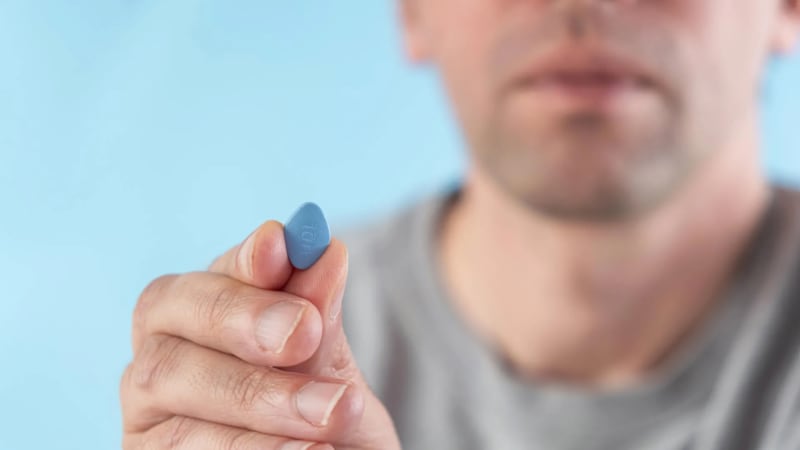
Viagra showed potential too. Studies suggest it may protect nerve cells and reduce buildup of tau, a protein that clumps abnormally in Alzheimer's patients. In mice, the medication improved thinking and memory, possibly by boosting blood flow to the brain.
Riluzole, currently prescribed for motor neurone disease, improved cognitive performance and lowered tau levels in animal studies. All three drugs target biological processes connected to Alzheimer's and are considered safe for older adults.
The research matters because dementia affects one million people in the UK alone and is the leading cause of death there. One in three people born today will develop dementia in their lifetime, yet no cure exists.
Creating new drugs from scratch takes 10 to 15 years and costs billions of pounds, with no guarantee of success. Repurposing medicines already approved and widely used offers a faster, safer, and more affordable path forward.
Twenty-one dementia specialists from universities, hospitals, and pharmaceutical companies worked with people affected by dementia to evaluate the candidates. The team was funded by Alzheimer's Society and the National Institute for Health and Care Research.
Why This Inspires
Drug repurposing represents one of the smartest shortcuts in medical research. Years ago, aspirin transformed from a simple painkiller into a heart attack and stroke prevention tool. Now researchers hope to see the same kind of transformation in dementia care.
The approach takes advantage of decades of safety data and real-world use. Doctors already know how these medications behave in the body, what side effects to watch for, and how patients typically respond.
Professor Anne Corbett from the University of Exeter stressed that robust clinical trials are still needed to confirm whether these drugs truly work against Alzheimer's. Researchers are planning a large UK trial of the shingles vaccine using PROTECT, an online registry where volunteers complete annual health questionnaires and participate in brain health research.
The path from promise to proven treatment remains long, but having three strong candidates already cleared for human use puts researchers years ahead of where they'd be starting from scratch.
Based on reporting by Science Daily
This story was written by BrightWire based on verified news reports.
Spread the positivity!
Share this good news with someone who needs it