Shipping Cuts Emissions 29% Using Cleaner Natural Gas
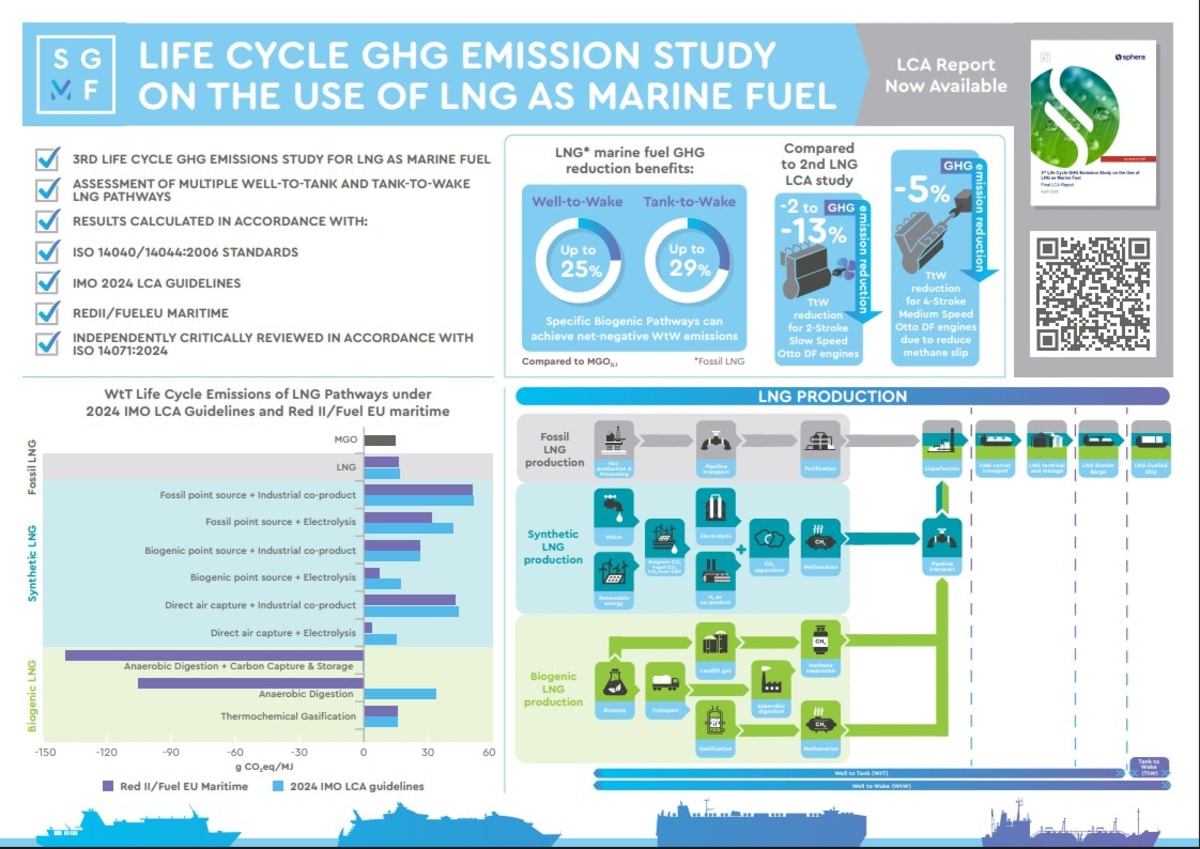
A new study shows ships running on liquified natural gas now cut greenhouse emissions by up to 29% compared to traditional diesel fuel. The improvement marks major progress in cleaning up the maritime industry, which moves 90% of global trade.
The shipping industry just took a major leap toward cleaner oceans and air, and the numbers prove it works.
A new study from the Society for Gas as a Marine Fuel found that ships using liquified natural gas (LNG) now reduce greenhouse gas emissions by up to 29% compared to standard marine diesel. That's a 13% improvement from just two years ago, thanks to better technology that reduces methane leaks during operation.
The findings matter because shipping moves about 90% of everything we buy around the world. For decades, massive cargo ships burned some of the dirtiest fuel on the planet, pumping pollution into coastal communities and contributing heavily to climate change.
The study examined 12 different LNG production methods and multiple engine types to get a complete picture. From the fuel's production through its use at sea, the overall emissions dropped by up to 25% compared to conventional marine fuel.
The air quality wins go beyond carbon. Ships using LNG reduced sulfur oxide emissions by at least 96% and nitrogen oxide emissions by up to 80%, depending on the engine type. That means cleaner air for port cities where millions of people live and work.
Engine manufacturers made the difference by solving a technical challenge called "methane slip," where small amounts of unburned fuel escape into the atmosphere. The latest engines keep methane emissions to just 7% to 13% of total exhaust in the newest designs.
The Ripple Effect
More than 300 LNG-powered ships already sail the world's oceans, with hundreds more under construction. As technology improves and more vessels make the switch, the cumulative impact keeps growing.
The shipping industry plans to cut its total greenhouse gas emissions in half by 2050. This study shows the path is working, with real ships achieving real reductions today, not just promises for tomorrow.
Mark Bell, Managing Director of SGMF, emphasized that shipowners need reliable data to make smart choices. Independent studies like this one give companies the confidence to invest billions in cleaner vessels.
The same research group plans to publish similar studies on methanol fuel by mid-2026, building on their 2024 study of ammonia. Each fuel option brings the industry closer to zero emissions while keeping global trade moving.
Global demand for marine LNG is expected to grow between 54% and 68% by 2040 as more shipping companies choose cleaner fuel over dirty diesel.
The world's oceans are getting cleaner, one ship at a time.
More Images


Based on reporting by Google News - Emissions Reduction
This story was written by BrightWire based on verified news reports.
Spread the positivity!
Share this good news with someone who needs it