Showing Climate Wins Boosts Action 30%, Stanford Finds
Scientists discovered the secret to getting people to fight climate change together: show them it works and builds friendships. A Stanford study of 30,000 Americans found the right message increased climate action by 30%.
Want people to join the fight against climate change? Show them the wins, not just the warnings.
Stanford researchers tested 17 different approaches on more than 30,000 Americans to see what actually motivates people to take collective climate action. The winner wasn't guilt, anger, or even facts about health benefits.
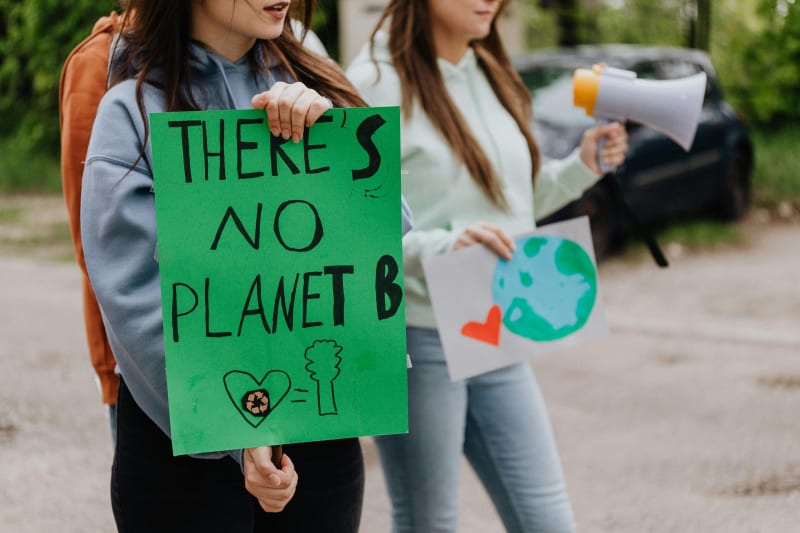
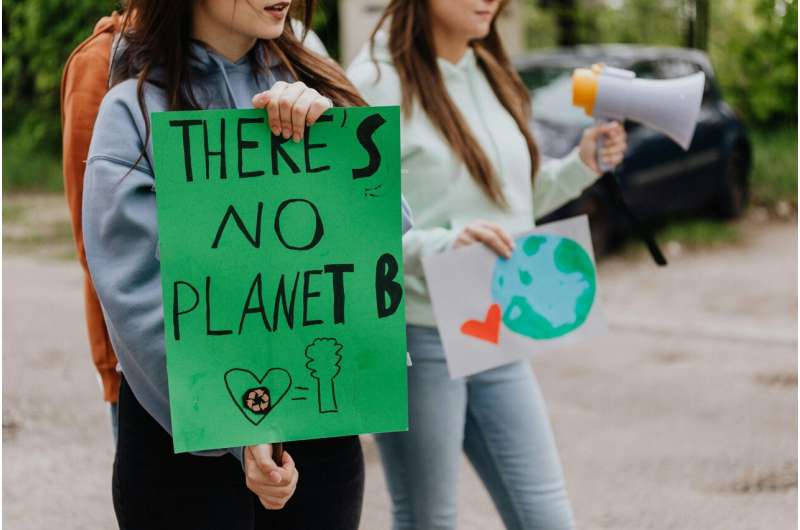
The most effective approach shared examples of past climate victories that changed policy, showed footage capturing the energy at climate marches, and invited people to imagine making friends through activism. It closed with a simple message: joining collective actions boosts happiness and builds social connections.
That combination increased people's willingness to take public awareness actions by 30% and political actions by nearly 14%. Actions included signing petitions, writing to representatives, and committing to attend demonstrations.
"People really engage in collective action if they are made to feel that it will matter, that it will have an impact and create structural change, while also benefiting them personally," said lead author Danielle Goldwert, a Ph.D. student at New York University.
The researchers were surprised by what didn't work. Messages about climate action's side benefits like improved health or economic growth had virtually no effect. Strategies relying on negative emotions like guilt and anger performed worse than positive framing.
The Ripple Effect
The findings reveal a fundamental difference between individual and collective climate action. When people consider personal actions like recycling, they focus on what's easiest. When considering group action, they want proof it will actually work.
"Structural change is truly what's needed, but you can't get structural change without individuals demanding it," said Madalina Vlasceanu, assistant professor of environmental social sciences at Stanford and senior author of the study published in PNAS Nexus.
The timing matters. A decade after 200 world leaders agreed in Paris to limit climate change, solar power has become the fastest growing source of new electricity. Dozens of countries have cut emissions while growing their economies, proving climate action and prosperity can coexist.
The interventions lasted just 10 to 15 minutes, so researchers expect short term changes. But they're already developing longer programs, including a documentary based on the successful approach. They plan to follow participants for years to measure lasting effects.
The team also created a free web tool allowing other researchers to explore their data and see which messages worked best for different groups.
The research offers a roadmap for anyone trying to mobilize climate action: celebrate the victories, highlight the community, and prove it makes a difference.
More Images


Based on reporting by Phys.org - Earth
This story was written by BrightWire based on verified news reports.
Spread the positivity!
Share this good news with someone who needs it