Shropshire Unveils Plan to Restore Wildlife and Wild Spaces
A new strategy in Shropshire, England aims to restore nature and protect 29 at-risk species across diverse habitats from peat bogs to ancient hedgerows. The county joins 48 regions nationwide working to reverse Britain's biodiversity crisis through coordinated conservation efforts.
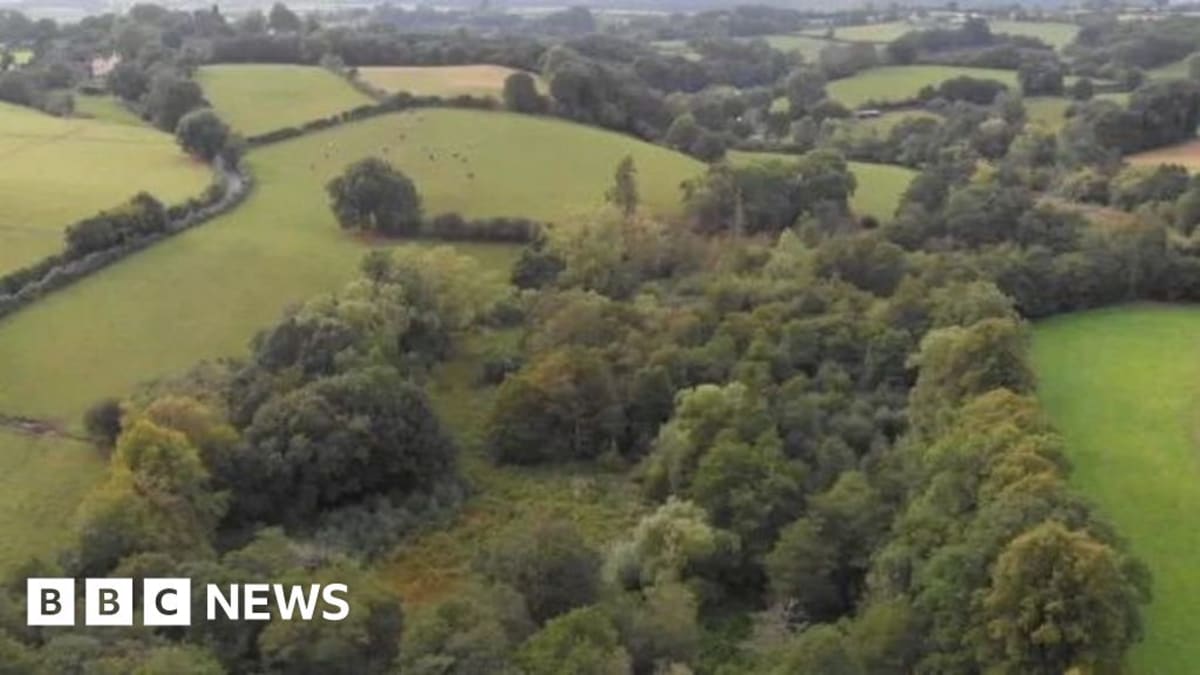
Shropshire has unveiled an ambitious plan to bring back thriving wild spaces across one of England's most ecologically diverse counties. The Local Nature Recovery Strategy maps out exactly where conservation efforts will focus to protect everything from curlews to dormice, peatlands to veteran trees.
The plan tackles what coordinator Lynn Parker calls "a bit of a nature crisis" facing the rural county. About 3,782 residents contributed ideas during public consultations, the highest participation of any region developing these strategies so far.
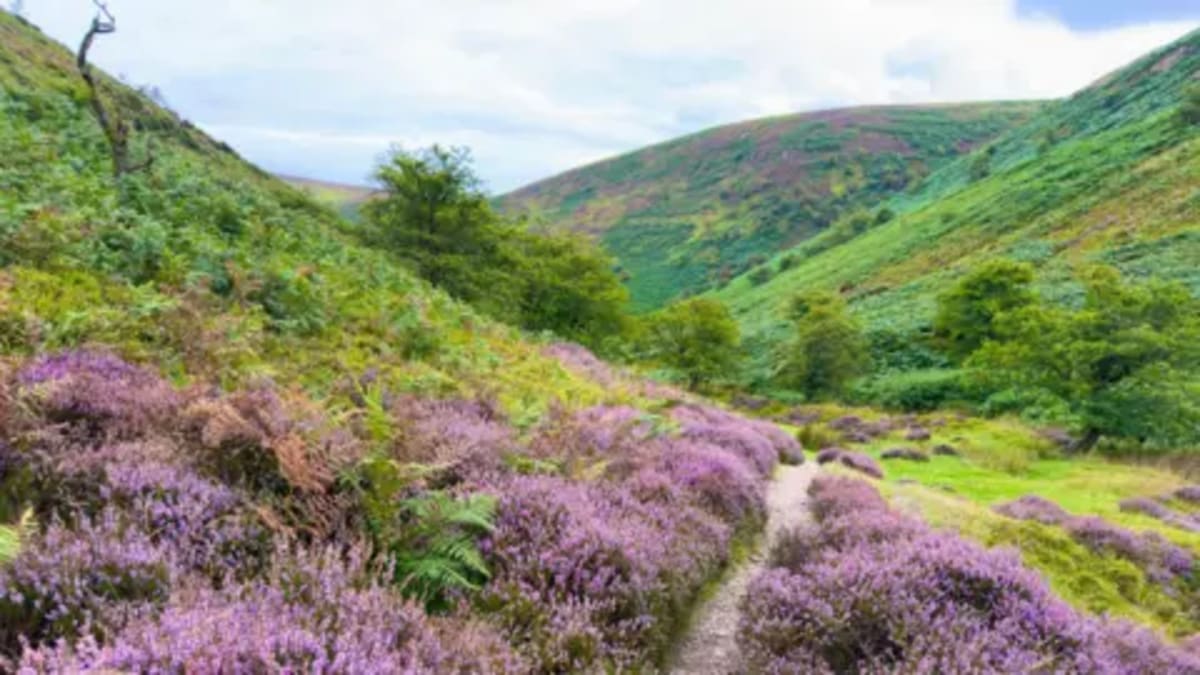
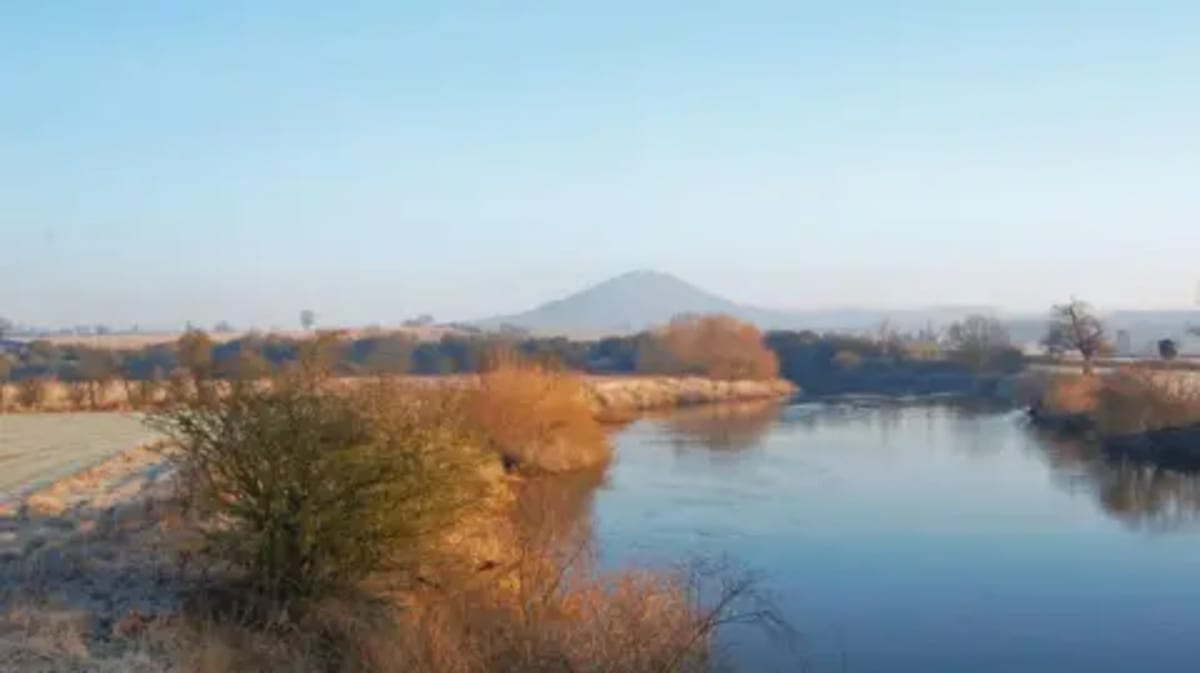
Shropshire's natural treasures include the Shropshire Hills, iconic landmarks like the Wrekin, and rare habitats like ffridd, a Welsh upland ecosystem combining bogs, grassland and bracken. The county also protects crucial Sites of Special Scientific Interest and rivers like the Severn, Clun and Teme.
The strategy identifies 29 species needing urgent protection, including hedgehogs, water voles, pine martens, and the pearl-bordered fritillary butterfly. Bird populations like curlews, once common across the region, have declined sharply in recent decades.
Sixteen priorities guide the work ahead: restoring hedgerows, rewetting peatlands, making rivers wilder, and protecting ancient trees. The effort brings together Shropshire Council, Natural England, Shropshire Wildlife Trust, and crucially, local farmers who manage 84% of the county's land.
Dave Cragg from Natural England celebrates the county's ecological diversity. "It's got a bit of everything really," he said, pointing to brilliant hills, bogs, fens and river systems that make Shropshire special.
The Ripple Effect
The benefits extend far beyond protecting wildlife. Improved water quality, better flood control, and climate resilience top the list of resident concerns the strategy addresses.
Councillor David Walker sees economic opportunity in healthier ecosystems. Tourism and business activity could grow as nature thrives, making Shropshire an even better place to live and work.
Unlike strict regulations, this strategy guides willing partners toward coordinated action. Kate Mayne from the National Farmers Union helped shape the plan to ensure it works with agricultural needs, not against them.
The nationwide Nature Recovery Network connects all 48 regional strategies into one ambitious vision: restoring Britain's natural world within a generation.
Shropshire residents have spoken clearly about what matters to them, and now the roadmap exists to make it happen.
More Images


Based on reporting by BBC Science
This story was written by BrightWire based on verified news reports.
Spread the positivity!
Share this good news with someone who needs it