Sierra Leone Weaves Heritage Fabrics Into Modern Fashion
Designers in Sierra Leone are transforming traditional textiles like Krio Print and indigo Léppi into a thriving fashion economy that preserves culture while creating jobs. A new industry association is helping weavers, dyers, and designers unite to compete in global markets.
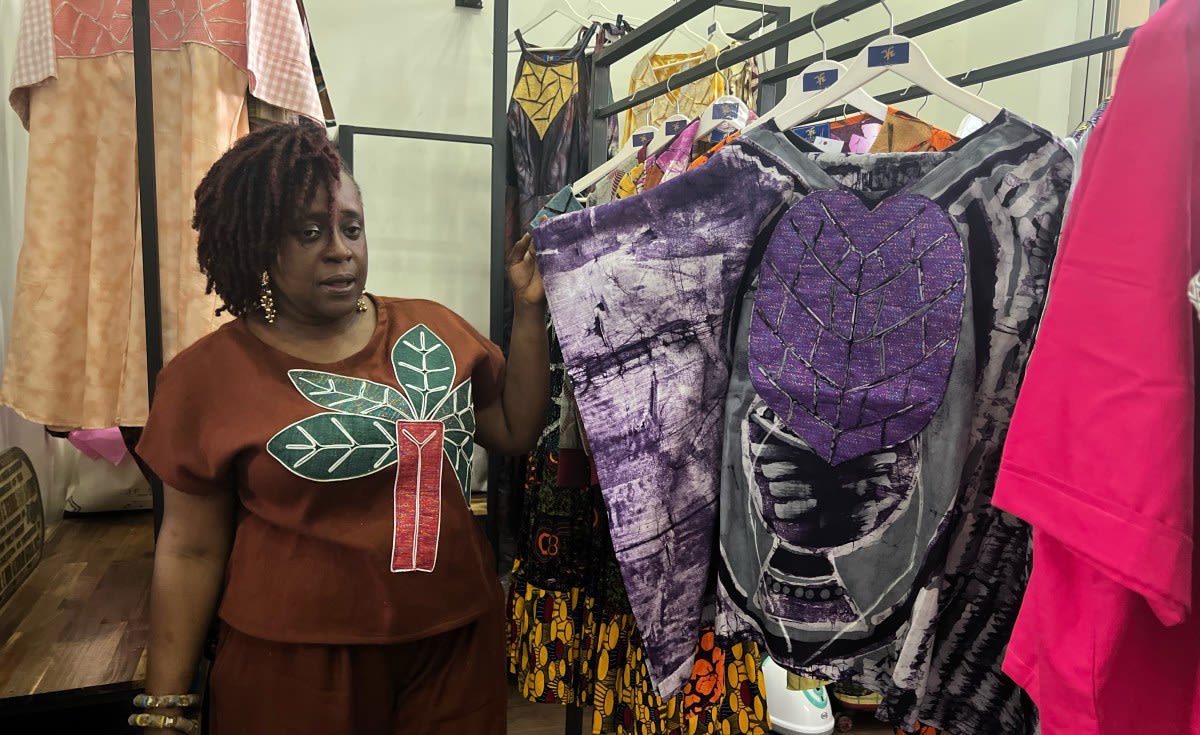
Inside her Freetown studio, designer Frederica Williams runs her hands across a bolt of Krio Print fabric, surrounded by over 20 tailors bringing traditional Sierra Leonean textiles to life in contemporary styles. She's part of a growing movement transforming the country's rich weaving heritage into a modern fashion industry that creates jobs and reduces dependence on mining revenues.
Williams founded Just Fabulous Heritage and now leads the Fashion Design and Textiles Association, launched in 2024 to unite designers, weavers, dyers, and cotton farmers across the textile value chain. Her mission connects centuries-old craft with twenty-first century commerce.
"We've been working on rejuvenating traditional designs and reinventing them for contemporary styling," Williams said. "That way we preserve our heritage while promoting Sierra Leone internationally."
The country's textile landscape spans distinct cultural identities. Fullah communities weave hand-dyed indigo Léppi, Mende artisans create heavy Country Cloth, and Temne dyers produce intricate Gara tie-dyes. Once reserved for weddings and chieftaincy installations, these fabrics now appear as daily corporate wear and export-ready garments.
Designer Abdulai Mansaray has transformed traditional Country Cloth and Ronko fabrics into contemporary streetwear that attracted buyers at Accra Fashion Week in Ghana last year. He found international audiences responded to designs rooted in Sierra Leonean identity rather than imported trends.
Fashion entrepreneur Mohamed Barrie sees consumers increasingly seeking clothing that reflects heritage. His company promotes Léppi cloth as both cultural connection and business opportunity.
"People are proud of their origin," Barrie said. "The fabric has become a transformational tool."
The Ripple Effect
The industry's growth creates opportunities far beyond fashion studios. Reviving local cotton production could provide income for farmers while reducing dependence on imported polyester. Williams says increasing cotton farming and modernizing weaving techniques would strengthen the entire supply chain from field to finished garment.
The government has identified textiles and garments as priority sectors under the Made in Sierra Leone Strategy and Local Content Policy. Meanwhile, the new Fashion Design and Textiles Association advocates for stronger intellectual property protections, arguing that legal safeguards will encourage innovation and ensure artisans benefit from their work.
The association promotes a simple message: "Wear Sierra Leone, look Sierra Leone, and like Sierra Leone fashion." Increased local demand creates production that sustains livelihoods across the value chain.
As designers find new markets and policymakers support infrastructure, Sierra Leone's traditional fabrics are weaving a path toward economic diversification grounded in cultural pride.
Based on reporting by AllAfrica - Headlines
This story was written by BrightWire based on verified news reports.
Spread the positivity!
Share this good news with someone who needs it