Sikkim Saved This Lake Without Banning Tourists
A Himalayan lake drowning in plastic waste found a way back to clear waters without shutting out visitors. The secret? Making everyone from shopkeepers to tourists part of the solution.
📺 Watch the full story above
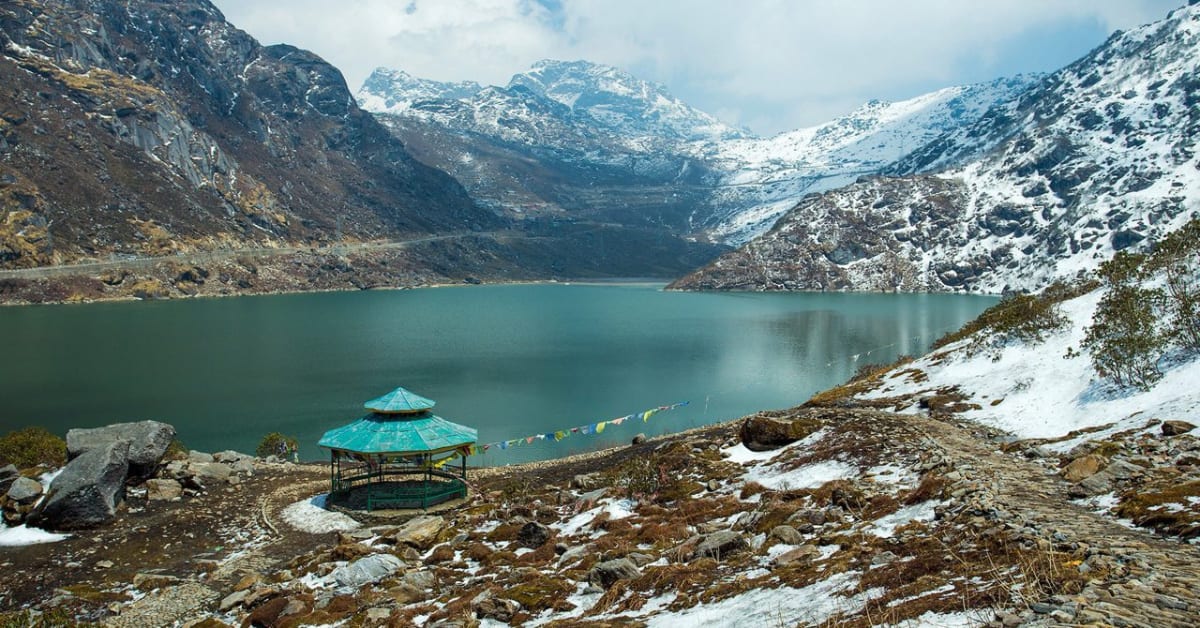
By 2006, Tsomgo Lake was choking on its own success.
At over 12,000 feet in the Himalayas, this sacred glacial lake near Gangtok had become one of Sikkim's most popular destinations. But popularity came at a brutal cost. Plastic bottles floated in pristine waters. Food wrappers littered the shoreline. Shops crowded the lake's edge, and waste piled up faster than anyone could clean it.
The lake wasn't just a tourist attraction. It supplied water to 270 families in nearby villages and supported an entire mountain ecosystem. Something had to change, but closing the lake to visitors would devastate local livelihoods.
Sikkim chose a different path. The government brought together villagers, shopkeepers, drivers, tourism operators and forest officials to create a system that would work for everyone. Instead of restricting access, they redesigned how tourism happened.
First, shops moved away from the water's edge to a designated commercial zone. Instant noodles got banned because the cups and packaging created mountains of waste. Water supply systems replaced single-use plastic bottles. Drivers started carrying garbage bags for tourists, and yak owners began managing animal waste responsibly.
The community formed the Tsomgo Pokhri Sanrakshan Samiti, a conservation committee that turned cleanup from a one-time event into daily life. That first year, they hauled away 20 truckloads of accumulated garbage. Then they built a system to make sure it never happened again.
Today, dedicated bins dot the tourist area. Collection vehicles remove waste twice daily before it can reach the ecosystem. Tourists pay a small 10-rupee conservation fee that funds the ongoing maintenance and awareness programs.
Nearly 20 years later, the transformation holds. The water reflects mountain peaks again. Prayer flags flutter over clean shores. Hundreds of families still earn their living from tourism, and the lake continues providing water to surrounding villages.
The Ripple Effect
Tsomgo's success offers a blueprint for India's hundreds of threatened tourist destinations. The country generates millions of tonnes of waste annually, and fragile ecosystems from beaches to mountains struggle under visitor pressure. Many places choose between protecting nature and supporting communities that depend on tourism income.
Sikkim proved there's a third option. The solution didn't require massive infrastructure or expensive technology. It required something simpler and harder: getting everyone to take responsibility for what happens next.
Shopkeepers accepted new rules. Villagers committed to daily maintenance. Tourists paid small fees and followed guidelines. Officials supported community leadership instead of imposing top-down restrictions. Each group had skin in the game, and each group benefited from success.
The lesson extends beyond one Himalayan lake. When communities lead conservation efforts and share both the work and the rewards, fragile places can survive and even thrive alongside human presence.
Tsomgo Lake proves that environmental success stories don't have to choose between people and nature.
More Images
.png)
%2Fenglish-betterindia%2Fmedia%2Fmedia_files%2F2026%2F06%2F23%2Ftsongmo-lake-2026-06-23-18-55-16.png)

Based on reporting by The Better India
This story was written by BrightWire based on verified news reports.
Spread the positivity!
Share this good news with someone who needs it