Sikkim's Legendary 'Uncle Tiger' Proven Real After Centuries
For generations, Sikkim villagers spoke of Ajotak, a mystical tiger roaming high-altitude forests like a guardian spirit. Camera traps have now confirmed the legend is real, launching a conservation success story that's protecting both tigers and communities.
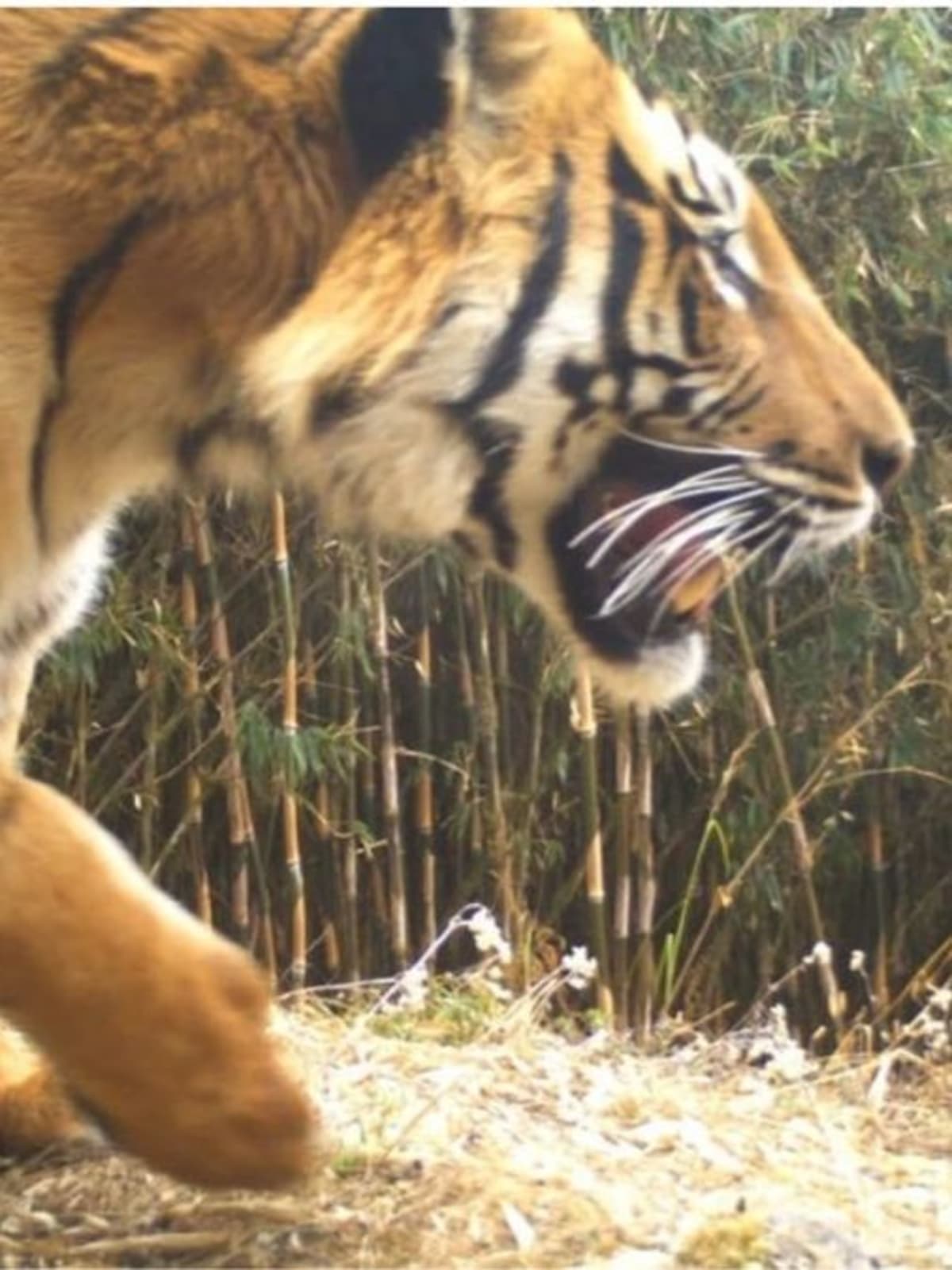
For centuries, villagers across Sikkim whispered stories of Ajotak, the "Uncle Tiger" who roamed their high-altitude forests like a protector from ancient folklore. Now, camera traps have captured what elders always knew was true.
The tiger wasn't just real. It was thriving in places scientists once thought impossible for tigers to survive.
Ajotak holds deep meaning in Sikkimese culture. Revered as a guardian in Buddhist belief, the tiger's legend has been passed down through generations across villages like Pangolakha, Kyongnosla, and Lachung, weaving animal and spirit into one sacred story.
But for decades, no hard evidence existed. A project supported by IUCN Save Our Species and the Global Tiger Forum set out to finally answer the question: was Ajotak myth or reality?
Camera traps placed throughout East Sikkim's Pangolakha and Kyongnosla sanctuaries revealed stunning footage. There was Ajotak, moving through snow-covered ridges once considered unreachable, flesh and stripe and very much alive.
The cameras captured more than tigers. Himalayan serow, goral, barking deer, and sambar deer appeared on the footage, revealing a hidden ecosystem thriving in Sikkim's high forests where few thought such biodiversity could exist.
The Ripple Effect
The discovery sparked a remarkable transformation in how communities protect their legendary neighbor. Over 600 forest staff and community volunteers, including women and youth, received training in tiger monitoring and conflict management, turning storytellers into stewards.
Villages at the forest edge once struggled with crop raids and livestock losses. Now they have greenhouses and alert systems that let families grow food safely while tigers roam freely, restoring balance to a landscape both share.
Hidden threats got attention too. Vaccination and sterilization drives addressed dangers from feral dogs, while eco-bins reduced waste that threatened wildlife health.
The upgraded Nature Interpretation Centre now brings Ajotak's story alive for visitors of all ages. Interactive panels and visuals show how tiger survival connects to the health of entire ecosystems, making conservation real and urgent.
Today, Ajotak represents more than confirmed folklore. With international collaboration across Himalayan countries, Sikkim's tigers have become a symbol of what's possible when science honors tradition and communities become guardians of the legends they've always believed in.
Based on reporting by The Better India
This story was written by BrightWire based on verified news reports.
Spread the positivity!
Share this good news with someone who needs it