Sikkim's Singing Forest Gets Official Recognition
Two traditional bamboo and wood instruments from India's Lepcha community just earned official protection, and the people who make them are now planting forests to keep the music alive. The forest literally becomes the song.
In the mountains of Sikkim, a bamboo stalk can become a flute that mimics bird calls, and a piece of softwood can transform into a three-stringed instrument that echoes across valleys. Now, these sounds have earned something more than applause.
In November 2025, India granted official Geographical Indication status to two traditional Lepcha musical instruments: the Tungbuk and Pumtong Pulit. The recognition links these instruments forever to the forests where their materials grow and the people who've been making them for generations.
The Pumtong Pulit is a four-hole bamboo flute traditionally used to reproduce natural sounds like flowing water and bird songs. The Tungbuk is a 36-inch three-stringed instrument made from softwood and parchment, played alongside local dances and ceremonies.
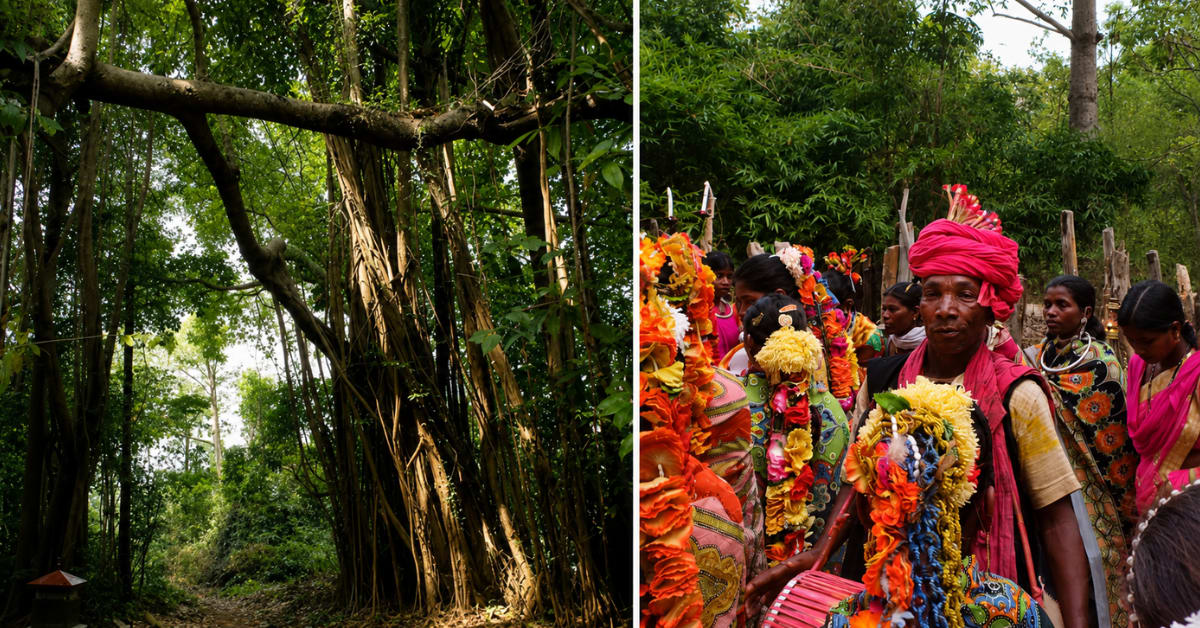
But here's where the story gets even better. The Lepcha people call themselves Mutanchi Rongkup, which speaks to their relationship with nature and the snowy peaks. Their songs, festivals, and rituals are woven together with mountains, rivers, and trees.
For the Lepchas, the forest isn't just where music happens. The forest is what makes the music possible.
The Ripple Effect
Mutanchi Lom Aal Shezum, the organization that secured the GI protection, isn't stopping at official recognition. They're planning workshops to teach young people the craft and launching plantation drives for Po and Poyong, the two bamboo species used to make the Pumtong Pulit.
This creates something remarkable: a direct line between preserving culture and protecting ecology. If the music depends on bamboo, keeping the tradition alive means keeping the bamboo forests healthy.
Over 20 bamboo species grow across Sikkim, and the Lepchas consider themselves the "younger brother of bamboo." The plant appears in their homes, tools, architecture, and now, with formal recognition, in their protected musical heritage.
The next generation of flute makers will need healthy forests. So the people planting bamboo today aren't just growing materials for instruments. They're ensuring that decades from now, someone can still walk into the forest, select the right stalk, and carve a flute that sounds like home.
The geography shapes the music, and now the music is helping shape the future of that same geography.
More Images
%2Fenglish-betterindia%2Fmedia%2Fmedia_files%2F2026%2F08%2F21%2Flepcha-music-2026-08-21-18-03-41.png)
%2Ffilters%3Aformat(webp)%2Fenglish-betterindia%2Fmedia%2Fmedia_files%2F2026%2F08%2F21%2Flepcha-music-1-2026-08-21-18-05-02.png)
%2Fenglish-betterindia%2Fmedia%2Fmedia_files%2F2026%2F08%2F20%2Fgrove-3-2026-08-20-17-36-03.png)
Based on reporting by The Better India
This story was written by BrightWire based on verified news reports.
Spread the positivity!
Share this good news with someone who needs it