Silicon Valley's $500B Talent Experiment Heads to NSF
A program that bet on young college dropouts created half a trillion dollars in value by ignoring traditional credentials. Now its architect is poised to bring that same approach to America's $9 billion science funding system.
The Thiel Fellowship sounded crazy when it launched in 2010: pay teenagers $100,000 to drop out of college and start companies instead.
Critics called it the "single most misdirected philanthropy of the decade." Harvard's president publicly condemned it. But those young dropouts went on to create more than $500 billion in value, producing billionaires at rates exceeding Harvard Business School and top accelerators like Y Combinator.
Now Jim O'Neill, who helped build that program as head of the Thiel Foundation, has been nominated to lead the National Science Foundation. If confirmed, he'll oversee nearly $9 billion in federal science funding and decide which researchers, labs, and frontiers get supported.
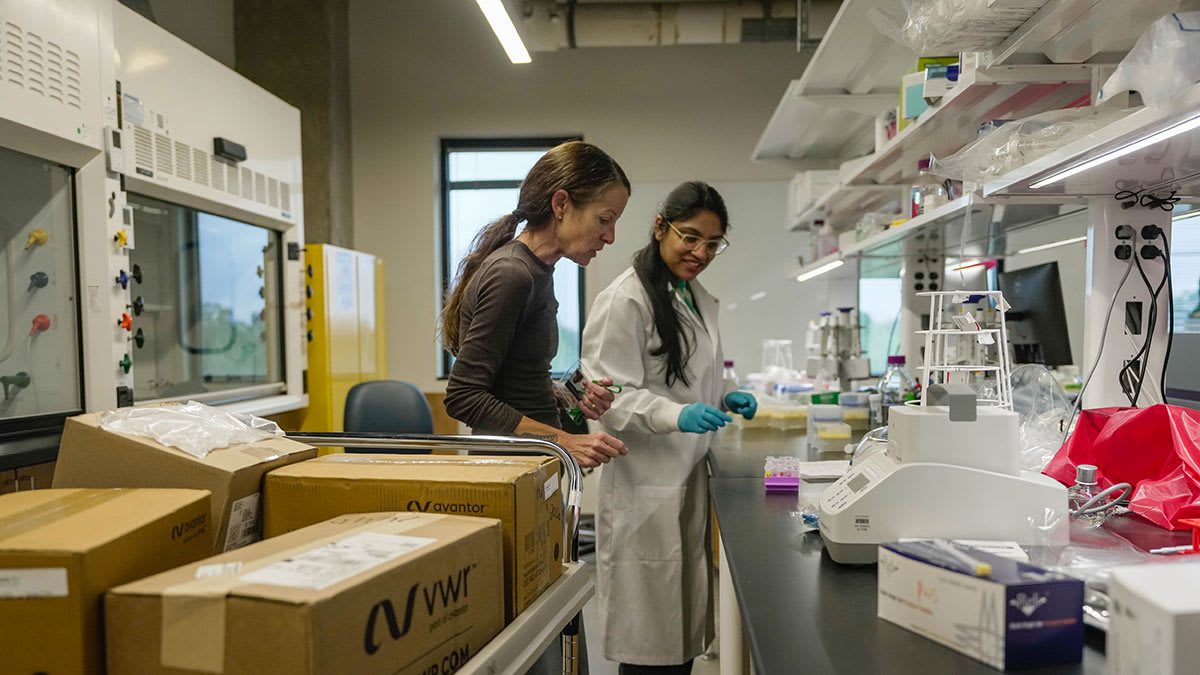
The timing matters because American science is struggling. Federal research spending has grown 30 times since 1956, more scientists publish more papers than ever, yet revolutionary breakthroughs are becoming rarer. Many peer-reviewed findings fail to replicate, and research productivity is declining across many fields.
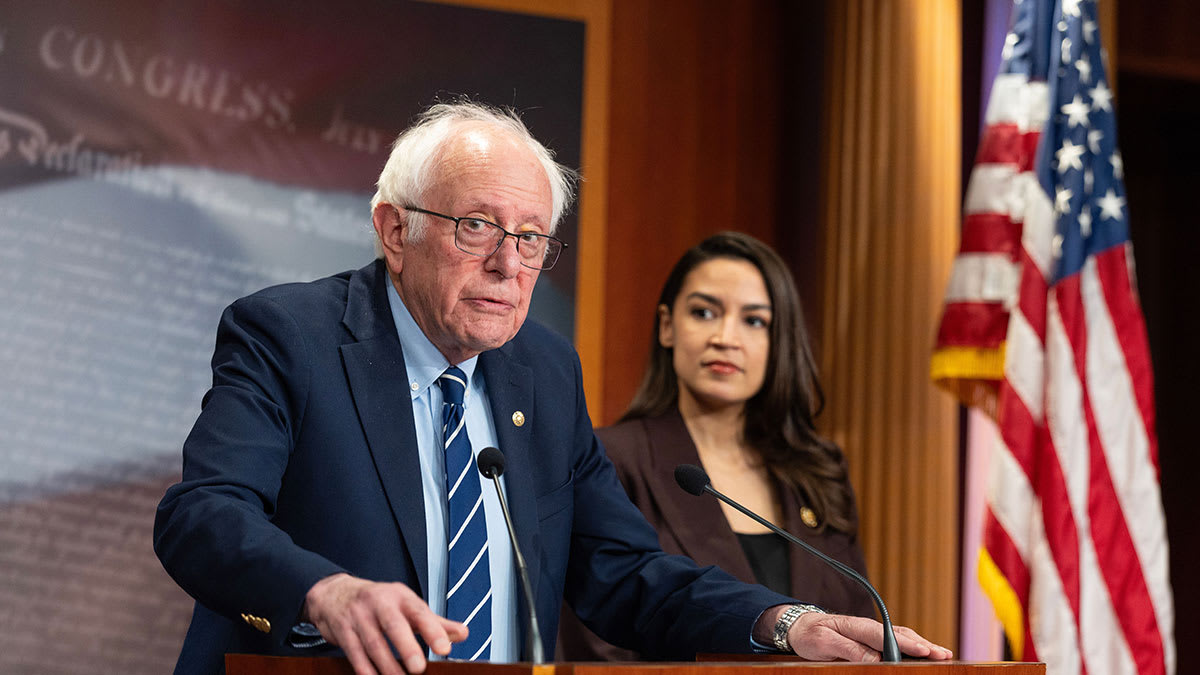
O'Neill's critics say he lacks the advanced science degree needed for the job. Representative Zoe Lofgren called him "a bad choice" for the nation's premier scientific agency. Scientists from Rice University and the University of Chicago question whether his commercial background makes him too shortsighted.
But the Thiel Fellowship proved something important about how we find talent. Traditional gatekeepers focus on credentials: prestigious universities, citation counts, journal rankings, endorsements from famous professors. The fellowship ignored all that and looked for creative genius wherever it appeared, even in teenagers without degrees.
Why This Inspires
The lesson from the Thiel Fellowship applies directly to science funding. America spends billions sending grants to prestigious universities like Johns Hopkins and the University of Pennsylvania based largely on reputation. Those scientists do solid work, but if research productivity is declining despite massive funding increases, something isn't working.
The fellowship succeeded by predicting outcomes and taking big risks on people others overlooked. Grant makers often dismiss talent because of perceived flaws: wrong age, wrong background, wrong personality. The supposed defects of Thiel Fellows were youth and lack of degrees. Those attributes proved irrelevant.
What matters for discovery is finding creative minds willing to pursue bold ideas, not buying prestige from established institutions. The fellowship's hit rate proves that unconventional approaches to talent identification can work spectacularly well.
American science needs more than money. It needs a fresh approach to recognizing genius and funding breakthrough ideas instead of safe, incremental research that looks good on paper but rarely changes the world.
The Senate will soon decide whether O'Neill gets the chance to apply these lessons at scale.
More Images


Based on reporting by Google: scientific discovery
This story was written by BrightWire based on verified news reports.
Spread the positivity!
Share this good news with someone who needs it


%2Ffile%2Fattachments%2Forphans%2FFNBImage030826_718107.jpg)