Simple Needle Test May Spare Breast Cancer Patients Surgery
A routine test already used in breast cancer care can now reveal how well the immune system is fighting cancer, potentially helping thousands avoid unnecessary surgery. Researchers at King's College London discovered the breakthrough by looking at samples in a completely new way.
Breast cancer patients may soon avoid invasive lymph node surgery thanks to a clever new use for a test doctors already perform every day.
Researchers at King's College London found that fine needle aspiration, a simple procedure that uses a thin needle to collect cell samples, can do much more than just check if cancer has spread. The same tiny samples can reveal how actively the immune system is fighting the disease, offering doctors crucial information without any additional procedures for patients.
The technique works by analyzing immune cells within lymph nodes under the armpit, key hubs where the body mounts its defense against cancer. Until now, doctors primarily used these samples to check for tumor cells. The new approach profiles the entire immune response, painting a fuller picture of what's happening inside the body.
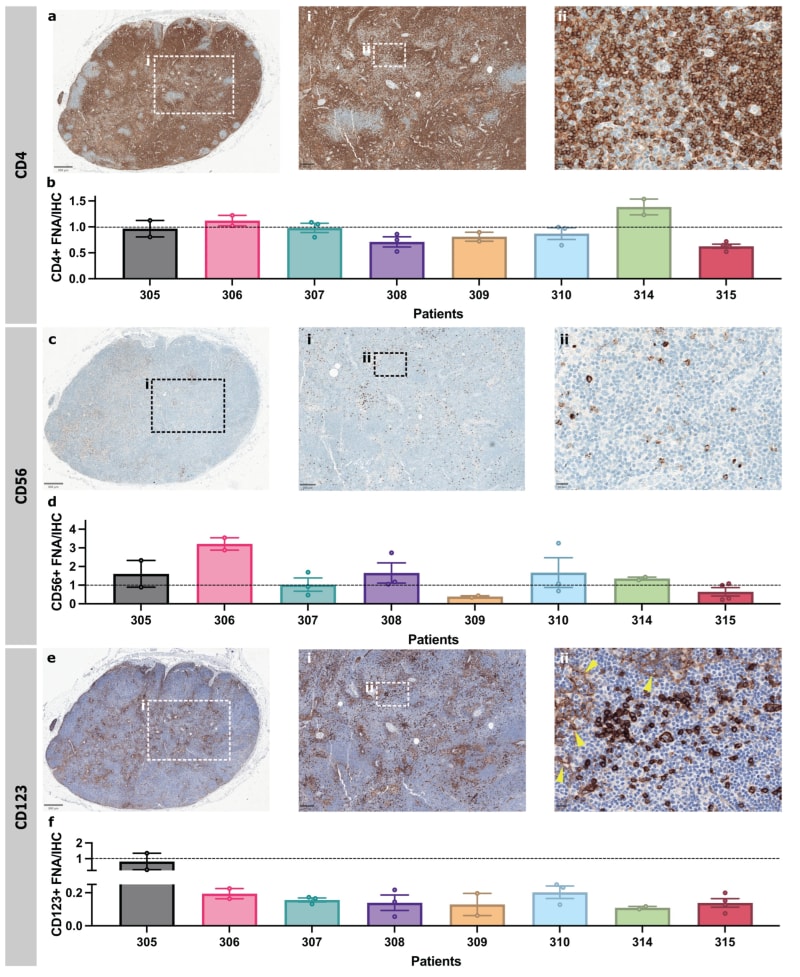
In their study published in the journal Cancers, researchers successfully identified a wide range of immune cells in these small samples, including rare populations that play vital roles in fighting disease. Remarkably, the mix of immune cells reflected how much cancer was present elsewhere in the lymph node chain, even when the specific node being sampled contained no cancer cells at all.
This discovery matters because many breast cancer patients currently undergo axillary surgery to remove lymph nodes, a procedure that can cause lasting side effects including chronic arm swelling. If doctors can accurately predict cancer spread using this minimally invasive test, some patients could safely skip surgery altogether.
The Ripple Effect
The approach builds on existing clinical practice rather than requiring new procedures, making it practical to implement quickly. Radiologists already perform fine needle aspiration as part of routine pre-operative care, so the infrastructure is in place.
Dr. Kalnisha Naidoo, senior author on the study, calls this "an important first step towards preventing over-treatment." The goal is identifying which patients can safely avoid axillary surgery while ensuring those at higher risk still receive appropriate treatment.
The research team emphasizes that larger studies are needed to confirm the approach can reliably predict outcomes. However, early results suggest immune profiling could help personalize treatment decisions, sparing patients from procedures they don't need while protecting those who do.
For the thousands diagnosed with breast cancer each year, this could mean one less surgery, faster recovery, and better quality of life after treatment.
More Images


Based on reporting by Medical Xpress
This story was written by BrightWire based on verified news reports.
Spread the positivity!
Share this good news with someone who needs it