Simple Nerve Treatment May Protect Memory From Alzheimer's
Scientists are testing whether vagus nerve stimulation, already used to treat epilepsy and depression, could keep a key brain region healthy and protect against memory loss. Early research suggests this gentle therapy might help maintain brain function as we age.
A therapy already helping thousands of people with epilepsy and depression might hold the key to protecting our memories as we age.
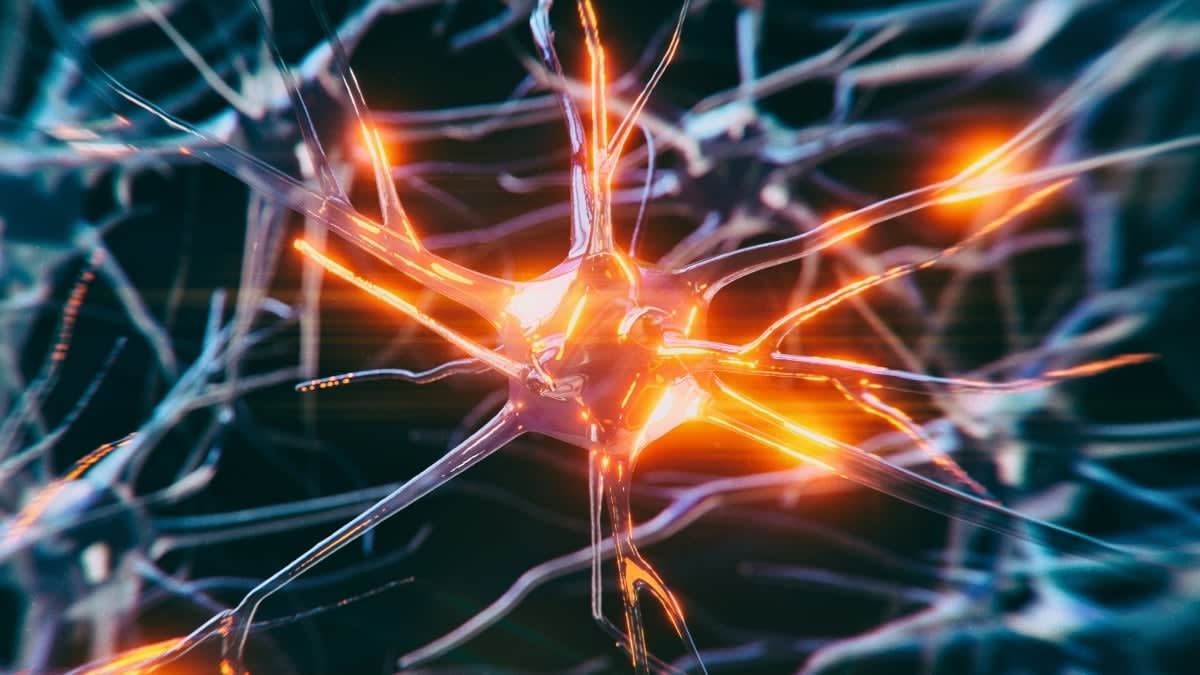
Scientists are exploring vagus nerve stimulation as a way to keep a tiny but crucial brain region healthy. This area, called the locus coeruleus, sits deep in the brainstem and produces nearly all the brain's norepinephrine, a chemical essential for sleep, focus, learning, and memory.
The discovery centers on when Alzheimer's really begins. Most people think of it as an illness of old age, but brain changes actually start around age 30. Tangles of a protein called tau first build up in the locus coeruleus, then spread throughout the brain over decades.
These tau tangles happen to nearly everyone to some degree. But researchers now see the locus coeruleus as an early warning system for Alzheimer's, and they're racing to find ways to protect it.
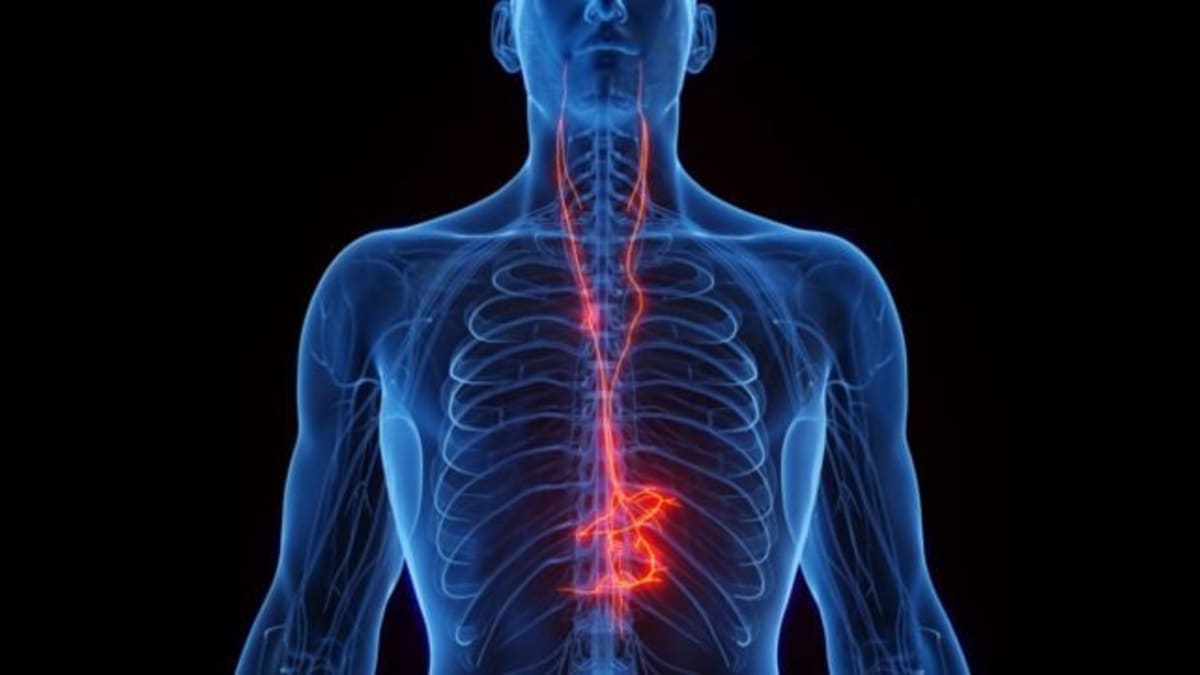
Enter the vagus nerve, which connects the brain to organs like the heart and lungs. Doctors already use gentle electrical pulses to stimulate this nerve through small devices placed on the neck or ear. The FDA has approved this treatment for epilepsy, migraines, depression, and stroke rehabilitation.
Here's where it gets exciting. Vagus nerve stimulation appears to help regulate activity in the locus coeruleus, keeping it functioning at just the right level. Too much activity can cause stress or panic, while too little leads to depression or memory problems. The therapy seems to help the brain find its sweet spot.
The Bright Side
The beauty of this potential breakthrough is that the technology already exists and is proven safe. Thousands of people are already using vagus nerve stimulation devices for other conditions, with benefits often including improved mood and thinking as welcome side effects.
Early studies in aging brains show promising hints that vagus nerve stimulation may help maintain memory. Researchers believe it works by either boosting norepinephrine levels in the brain or by helping the locus coeruleus maintain its healthy rhythm of activity.
The non-invasive versions of this therapy are particularly appealing. Instead of surgery, patients can use devices that deliver gentle electrical pulses to the neck or ear, where the vagus nerve runs close to the skin surface.
Scientists still don't know exactly how or why vagus nerve stimulation benefits the brain, but the leading theory points to that crucial timing and pacing of nerve cell activity. By helping the locus coeruleus fire at the right rhythm, the therapy might protect it from the damage that precedes Alzheimer's.
This research represents a hopeful shift in how we think about brain aging and memory loss. Instead of waiting for symptoms to appear, we might soon have tools to protect our brains decades before problems begin.
More Images

Based on reporting by Google News - Health
This story was written by BrightWire based on verified news reports.
Spread the positivity!
Share this good news with someone who needs it