Simple Steps Cut Knee Arthritis Risk, Says New Research
Knee osteoarthritis isn't inevitable, and small lifestyle changes can dramatically reduce your risk. Losing just 10 pounds takes 40 pounds of pressure off your knees with every step.
Your knees don't have to hurt as you age, and science now shows you have more control over joint health than you might think.
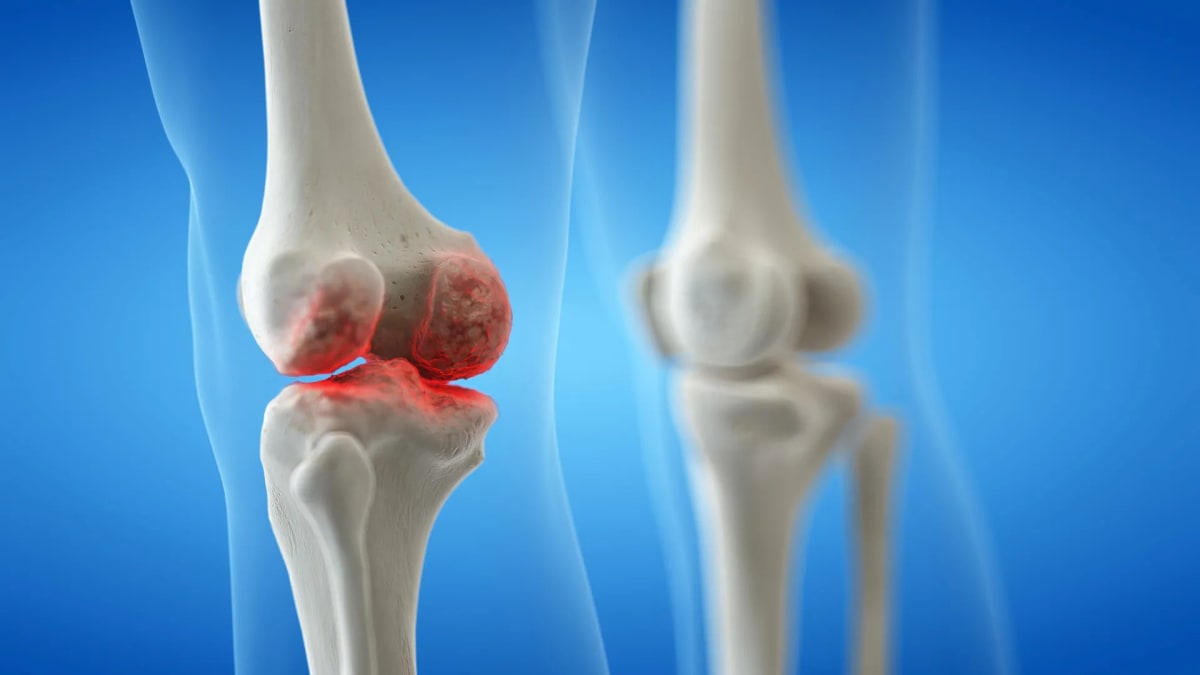
More than 30 million Americans live with osteoarthritis, a painful condition where the cushioning cartilage in joints breaks down over time. The knee is the most affected joint, and roughly half of all cases happen in people who are still working age, not just seniors.
Dr. Abby Cheng, an orthopedic surgeon at Washington University School of Medicine in St. Louis, says the condition can affect far more than mobility. Difficulty moving can lead to missed work, lost income, and a reluctance to stay active. That inactivity can increase risk for heart disease, cancer, and diabetes.
The good news? You're not powerless against it.
Cheng notes that eating more plants and less processed food reduces inflammation throughout the body, which can ease joint pain. Strengthening your thigh muscles also helps support the knee and reduce stress on the cartilage.
Here's the surprising part: losing just 10 pounds can reduce the stress placed on your knees by 40 pounds with every single step you take. That kind of pressure relief can significantly ease existing pain and help prevent damage from starting.
Even if osteoarthritis runs in your family, you're not doomed to develop it. While genetics play a role, they don't write your entire story. Regular physical activity, maintaining a healthy weight, and eating whole grains, fruits, and vegetables can all help protect your joints.
Contrary to popular belief, running doesn't damage your knees. It can actually be part of an active lifestyle that lowers osteoarthritis risk when done properly.
Why This Inspires
This research flips the script on aging. Too often, we accept joint pain as an unavoidable part of getting older, but science shows we have real tools to fight back. Simple changes like taking a daily walk, swapping processed snacks for fruits and vegetables, or gradually losing a few pounds aren't just good for general health. They're concrete actions that can preserve the freedom to move, play with grandkids, travel, and stay independent for years longer.
Healthcare providers can help develop personalized strategies and connect patients with programs that make healthy changes easier to start and maintain. When pain does develop, options range from anti-inflammatory medications to knee braces, injections, and sometimes surgery.
Your family history doesn't have to become your future.
Based on reporting by Health Daily
This story was written by BrightWire based on verified news reports.
Spread the positivity!
Share this good news with someone who needs it