Simple Steps Keep Lungs Safe From Wildfire Smoke
As wildfires spread across Europe, experts share practical ways to protect yourself from harmful smoke that can travel hundreds of kilometers. From choosing the right masks to improving indoor air quality, these solutions work whether you can see the smoke or not.
Breathing clean air during wildfire season just got easier, thanks to simple protective steps anyone can take at home.
Europe has detected 1,083 fires since the start of the year, affecting communities far beyond the flames themselves. Smoke from these wildfires travels hundreds of kilometers, carrying harmful particles that can damage lungs and spread throughout the body even when the haze isn't visible.
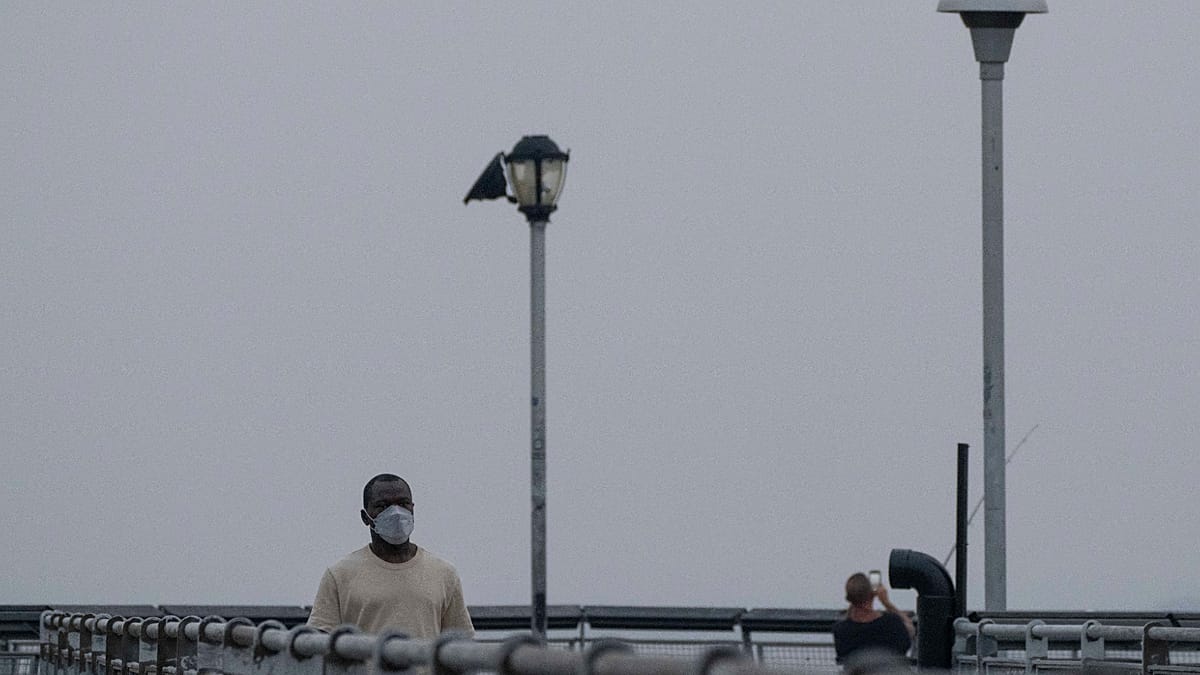
But experts say protection is surprisingly straightforward. The same N95, KN95, and KF94 masks from the pandemic filter out 90 to 95 percent of dangerous particles when worn outdoors. "If you have access to a mask that has a respirator-type attachment to it, then that's the very best," says Jennifer Stowell, a research scientist at Boston University's Center for Climate and Health.
Indoor safety matters just as much. Closing windows and switching air conditioners to recirculate mode keeps polluted air outside where it belongs. Using towels or blankets to block drafts under doors adds another layer of protection.
Technology makes monitoring easier too. Most smartphones now display air quality data in their weather apps, giving real-time updates on when to stay indoors. The European Environment Agency maintains updated regional air quality maps, while the Copernicus Earth Observation Programme provides four-day forecasts of pollutants and aerosols.
For those who want more precision, affordable indoor air quality monitors have become widely available online. "You can find these low-cost, indoor air quality monitors just about everywhere online now," says Joseph Allen, director of Harvard University's Healthy Buildings Program.
The Ripple Effect
The knowledge spreading about wildfire smoke protection shows how communities can adapt to environmental challenges with practical solutions. What started as a regional concern has sparked awareness across Europe about air quality and respiratory health.
Room air purifiers offer additional protection, especially when kept running in the spaces where families spend most of their time. Upgrading standard air conditioner filters to MERV 13 versions provides even better filtration, as long as they fit correctly.
The science behind these recommendations is clear. Wildfire smoke contains PM2.5, nitrogen dioxide, ozone, and other pollutants that cause inflammation and oxidative stress. When fires burn buildings, toxic chemicals from electronics, furniture, and paints add to the danger.
Communities across France, Germany, Greece, Spain, and Portugal have faced fires this summer, but the protective measures work everywhere smoke reaches.
Simple actions today mean healthier lungs tomorrow, no matter how far the smoke has traveled.
More Images


Based on reporting by Euronews
This story was written by BrightWire based on verified news reports.
Spread the positivity!
Share this good news with someone who needs it