Simple Tips Help Kids Feel Ready for First Day of School
New research shows families can ease school stress with everyday practices like opening lunchboxes and packing bags. Over 100 children and 21 teachers revealed what really builds confidence for that big first day.
Starting school doesn't have to feel overwhelming for kids or their parents. A recent study found that simple, everyday practice makes all the difference in helping children feel calm and confident on their first day.
Researchers worked with more than 100 children aged 3 to 6 and 21 teachers to discover what actually helps during this big transition. The answer surprised many: it's the small, practical skills that matter most.
Children at school need to be more independent than they are at home. They open their own bags and lunchboxes, organize their belongings, and use the bathroom without help.
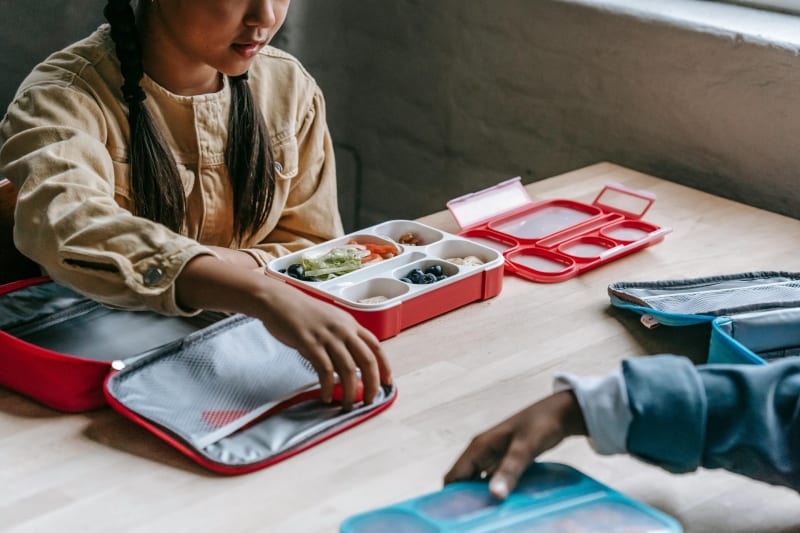
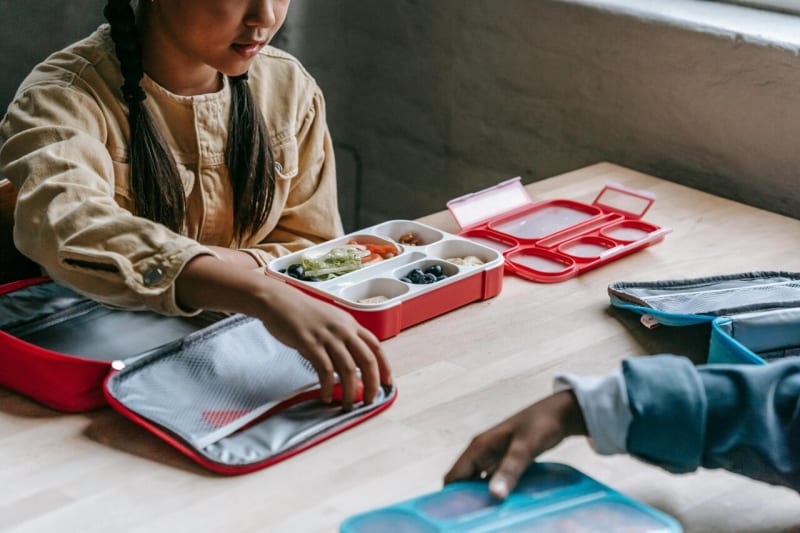
Families can start practicing these tasks during the weeks before school starts. Let your child pack and carry their bag, wrestle with their lunchbox lid, and tackle any tricky food packaging.
Teachers especially appreciate when parents test out containers at home first. Discovering that a yogurt pouch is impossible to open works better as a kitchen discovery than a lunchtime meltdown.
Morning routines need practice too. Young children learn new tasks through repetition, so rehearsing the getting-ready sequence helps them know what to expect without the pressure of actually being late.
A simple visual chart with three steps works well: eat breakfast, brush teeth and hair, pack your bag. That's enough for most young children to manage at first.
Visiting the school before the first day makes the environment feel safe and familiar. Walk around the grounds, explore the playground, or just drive past a few times.
Talk through what the day will look like so children know what to expect. The more familiar everything feels, the more confident they'll be walking through that classroom door.
The Ripple Effect
When families and schools work together, everyone benefits. Teachers want to know about your family's language, culture, and routines because it helps them support each child better.
This partnership makes transitions smoother for children, which means calmer classrooms and more confident learners. When one child feels secure, it creates a positive atmosphere that helps other nervous kids relax too.
Starting school is tiring for everyone. Children come home exhausted from processing new routines, people, and expectations.
Keep afternoons simple with snacks, water, and downtime. Gentle questions like "What was your favorite part of today?" work better than demanding a full report.
These small preparations add up to big confidence when that first school bell rings.
More Images


Based on reporting by Phys.org
This story was written by BrightWire based on verified news reports.
Spread the positivity!
Share this good news with someone who needs it