Singapore Adds Wireless Charging to EV Standard
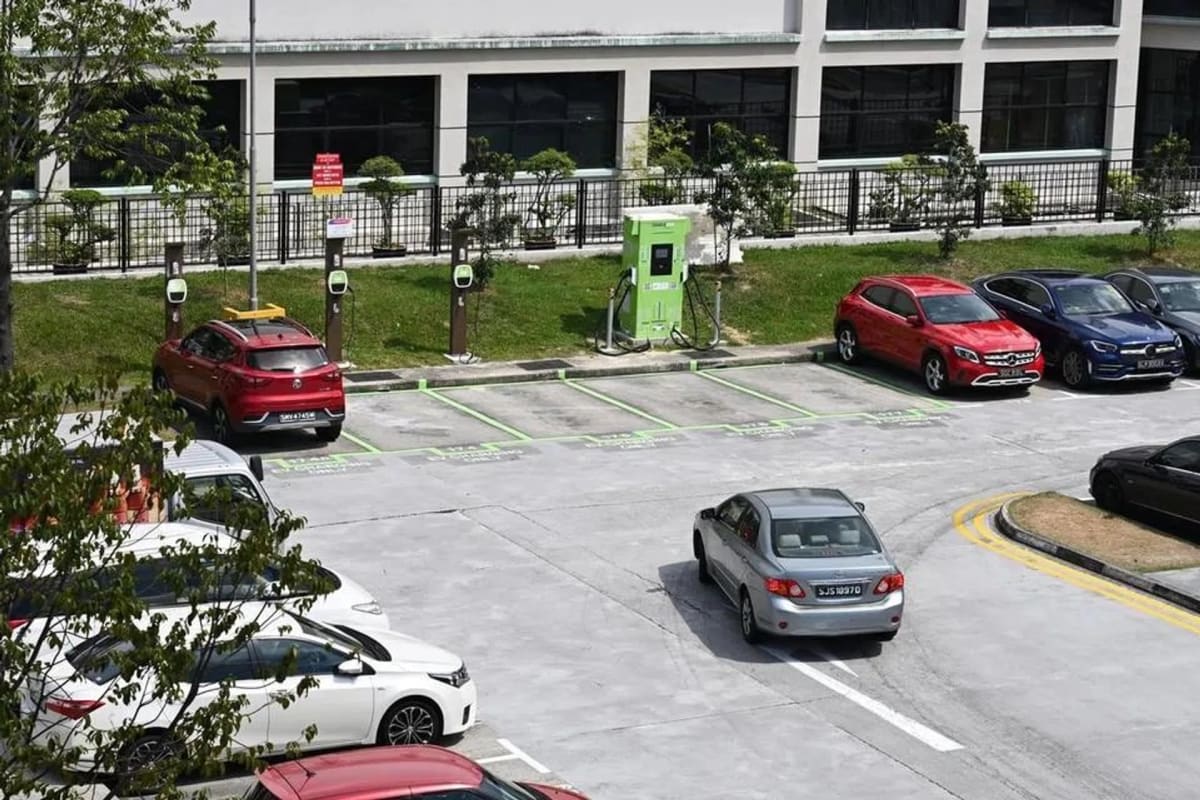
Electric vehicle owners in Singapore can soon charge their cars by simply parking over a pad, no plugs needed. The city-state just upgraded its EV charging standards to include wireless technology and other innovations that make going electric easier than ever.
Charging an electric vehicle is about to get as simple as parking your car.
Singapore rolled out a major upgrade to its EV charging standards on April 1, 2026, introducing guidelines for wireless charging systems that let drivers power up without ever touching a cable. Just park over a charging pad, and the technology does the rest.
The new Singapore Standard SS 722 replaces guidelines that have been in place since 2010. It's the result of a comprehensive review by 27 organizations, including local branches of BYD and Tesla, who spent over a year examining how to safely bring cutting-edge charging technology to the island nation.
The upgrade addresses a common complaint about electric vehicles: charging takes too long and feels complicated. Wireless charging removes one more barrier, making EVs nearly as convenient as traditional cars.
The standard also covers mobile charging systems mounted on vehicles that can charge EVs anywhere, plus battery swap stations where drivers exchange depleted batteries for fully charged ones in minutes instead of waiting hours at a plug-in charger. Two swap stations already operate in Singapore, serving electric trucks at Tuas and the Pasir Panjang port.
Fast-charging stations get an upgrade too. The new standard aligns direct current chargers with the latest international guidelines, adding stricter temperature controls, better cable insulation checks, and more precise power output for safer, more reliable charging.
The Ripple Effect
This isn't just about fancy new technology. By making EV charging simpler and safer, Singapore is removing real obstacles that keep people from switching to electric vehicles.
The timing matters. As cities worldwide work to reduce emissions and fight climate change, the infrastructure that supports electric vehicles becomes crucial. Singapore's move to standardize wireless charging and battery swaps shows how governments can actively smooth the transition to cleaner transportation.
When charging becomes as easy as parking, more drivers will feel confident making the switch. That means cleaner air, quieter streets, and a meaningful step toward Singapore's sustainability goals.
The collaboration between government agencies, carmakers, and industry experts to create these standards also sets an example. Instead of waiting for perfect technology, they're building frameworks that can grow and adapt as innovation continues.
Singapore is proving that the future of transportation doesn't have to mean compromise or inconvenience.
More Images
Based on reporting by Google News - Singapore Technology
This story was written by BrightWire based on verified news reports.
Spread the positivity!
Share this good news with someone who needs it