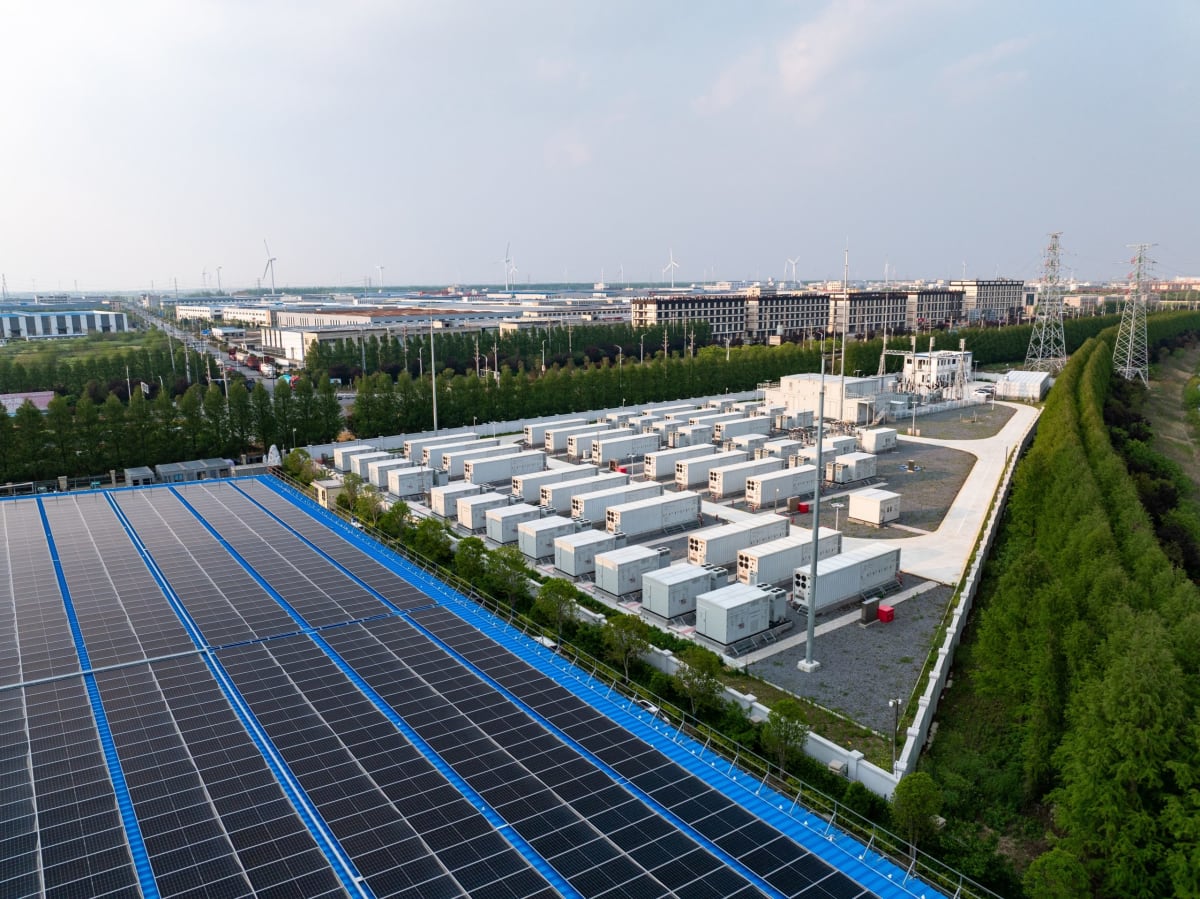
Singapore and India Team Up on Clean Energy Future
Two of Asia's economic powerhouses are joining forces to tackle climate change while keeping energy affordable and reliable. Singapore and India are launching new projects in solar power, green shipping, and carbon reduction that could reshape the region's energy landscape.
Singapore and India just deepened their partnership on clean energy, proving that small island nations and growing economies can work together to fight climate change without sacrificing progress.
At the 2nd India-Singapore Futures Forum, Minister of State Gan Siow Huang shared how both countries are tackling the same challenge: cutting emissions while keeping the lights on and energy bills manageable. Singapore imports nearly all its energy but has committed to net-zero emissions by 2050, requiring creative solutions and strong partnerships.
Singapore is pursuing what it calls the "four switches" to transform its energy system. The plan includes using natural gas as a bridge fuel, tripling solar power to 3 gigawatts by 2030, importing clean electricity from neighbors, and exploring hydrogen and small nuclear reactors. The government is backing this vision with $800 million in research funding to help promising technologies move from labs to real-world use.
India brings massive scale to this partnership as one of the world's fastest-growing economies. Singapore has been India's largest investor for years, accounting for nearly a quarter of all foreign investment flowing into the country. That economic bond is now fueling climate solutions too.
Singapore's Sembcorp Industries has already built renewable energy projects across 13 Indian states, creating a 7.6 gigawatt clean power portfolio. These aren't future promises but operating facilities generating carbon-free electricity today.
The Ripple Effect
The collaboration extends beyond power plants into practical innovations that touch daily life. The two nations launched a Green and Digital Shipping Corridor this year to help cargo ships transition to zero-emission fuels while modernizing supply chains. Since both countries depend heavily on maritime trade, cleaner shipping benefits their own ports while setting standards others can follow.
They're also working together on carbon credit markets under the Paris Agreement, creating systems that reward emissions cuts and fund climate projects. Universities in both countries are advancing solar technology, with research teams at the National University of Singapore developing more efficient solar cells that could make renewable energy cheaper for everyone.
The partnership shows how countries with different strengths can accelerate progress together. India offers vast markets and manufacturing scale while Singapore contributes financial expertise, technology connections, and a track record of solving problems with limited natural resources. Forums bringing together government officials, researchers, and business leaders ensure ideas don't just stay on paper but turn into funded projects and policy changes.
With 80% of Singapore's emissions coming from power generation and industry, these energy partnerships aren't optional extras but essential to meeting climate goals. Two countries separated by ocean are building bridges through shared innovation, turning the energy transition from an overwhelming challenge into achievable steps.
More Images




Based on reporting by Google News - Singapore Technology
This story was written by BrightWire based on verified news reports.
Spread the positivity!
Share this good news with someone who needs it