Singapore Building First 3D-Printed Concrete Bridge by 2028
Singapore is constructing its first 3D-printed pedestrian bridge, a breakthrough project that could solve construction labor shortages while creating stunning designs impossible with traditional methods. The 10-meter bridge connecting two neighborhoods will be assembled from concrete segments printed layer by layer, no construction molds required.
Singapore is building a bridge for the future, and it's being printed one layer at a time.
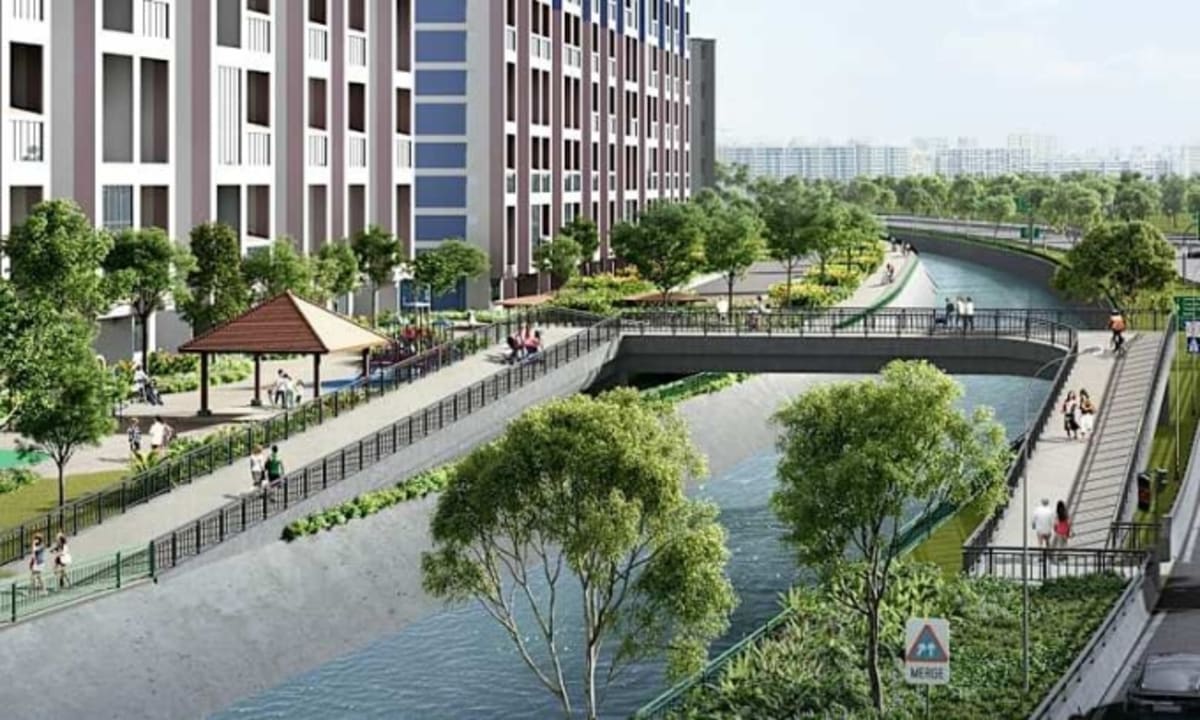
The city-state's Land Transport Authority announced plans for the country's first 3D-printed concrete pedestrian bridge, expected to open in 2028. The 10-meter-long bridge will connect the Jurong West and Tengah residential areas, cutting travel time for pedestrians and cyclists between the two neighborhoods.
Instead of traditional construction methods, massive 3D printers will squeeze out concrete through nozzles, building the bridge segment by segment without any construction molds. The 10 printed sections will then be threaded together with steel cables and compressed into a single sturdy walkway.
The project team from Nanyang Technological University, engineering firm Witteveen+Bos, and construction company CES_Innovfab has already completed structural tests on a scaled model last month. They're now reviewing the results before starting work on the full-size bridge.
Singapore is betting big on this technology to tackle a pressing problem: not enough construction workers. The highly automated printing process needs far fewer people on site and can work faster than traditional building methods.
The Ripple Effect
This bridge could change how cities worldwide approach construction challenges. The technology allows engineers to create complex, beautiful designs that would be nearly impossible to build by hand, opening doors to more creative and efficient infrastructure.
For Singapore, facing ongoing labor constraints, 3D printing offers a path forward that doesn't depend on having huge construction crews. Other cities watching this pilot project could adopt similar solutions to their own worker shortages.
The Land Transport Authority acknowledges the technology is still emerging for infrastructure projects. That's exactly why this bridge matters as a real-world test of whether 3D printing can handle the demands of public works that thousands of people will use daily.
The bridge's design showcases what makes 3D printing special: the ability to create distinctive architectural forms while using less material and labor than conventional methods. Each printed layer builds on the last, turning digital designs into physical structures with precision traditional construction struggles to match.
By 2028, commuters walking across this bridge will be stepping on the future of construction, one 3D-printed layer at a time.
Based on reporting by Google News - Singapore Technology
This story was written by BrightWire based on verified news reports.
Spread the positivity!
Share this good news with someone who needs it