Singapore Creates 22% Efficient Solar Cell for City Rooftops
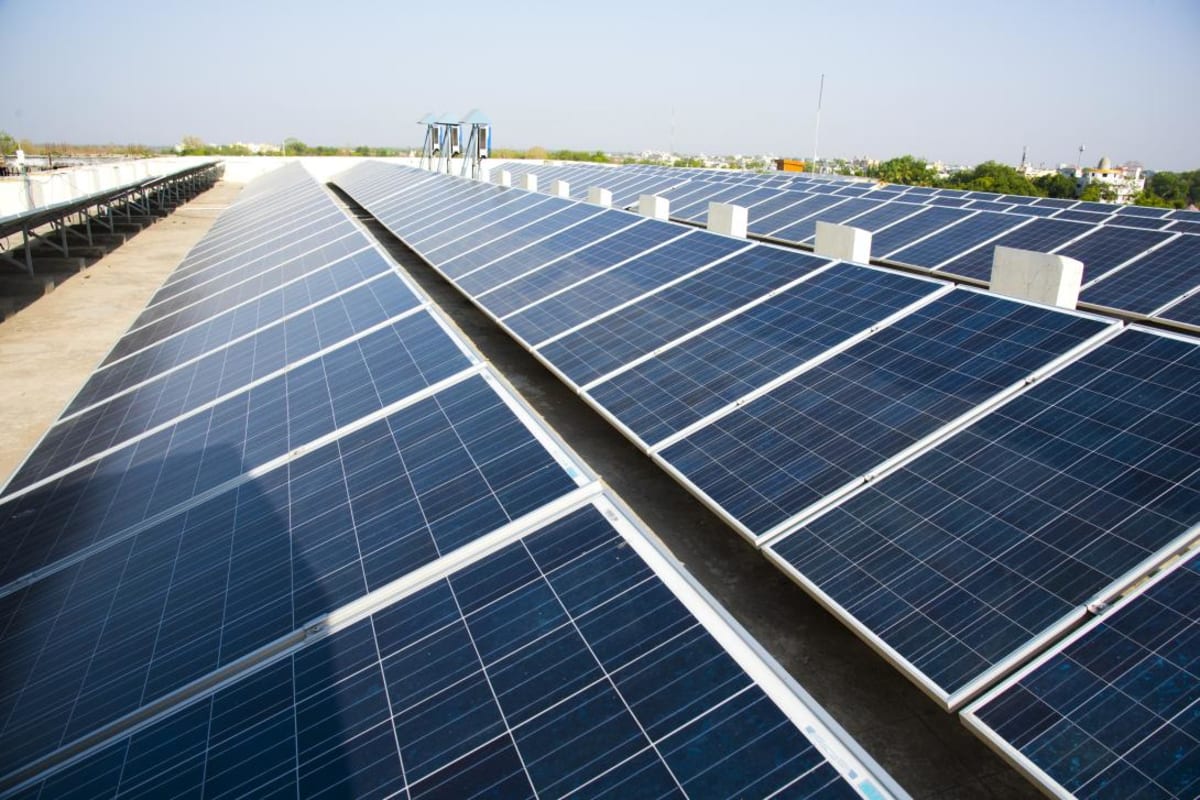
Researchers in Singapore just built one of the world's most efficient solar cells designed specifically for tight urban spaces. The breakthrough could help cities generate far more clean energy from limited rooftop area.
Scientists at Singapore's Solar Energy Research Institute have created a solar cell that squeezes more power from every square inch, a game-changer for cities struggling to find space for renewable energy.
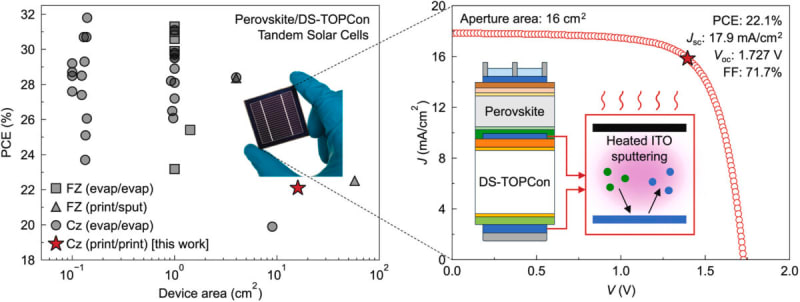
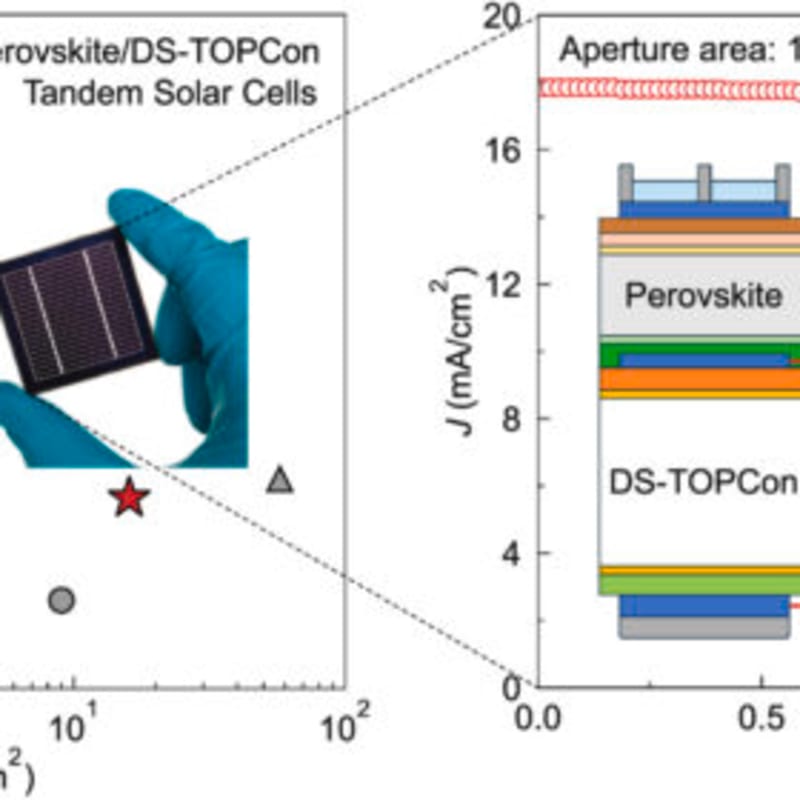
The team built a tandem solar cell that stacks two light-absorbing layers like a double-decker sandwich, capturing more of the sun's energy than traditional panels. Their device achieved 22.1% efficiency on a surface area the size of a small tablet.
What makes this breakthrough special is how it was made. The researchers used industrial manufacturing techniques and standard materials that factories already work with, avoiding the common trap where lab innovations never make it to real production.
The secret lies in what they call double-sided TOPCon technology. Instead of treating just one side of the silicon wafer with special coatings, they engineered both sides to reduce energy loss and capture electrons more efficiently. Think of it like insulating both the roof and floor of a house instead of just one.
Lead researcher Erik Spaans told reporters the process was designed with real-world manufacturing in mind from the start. The team used screen printing for the metal contacts and worked with industrial-sized silicon wafers, the same materials solar companies use today.
The biggest challenge was temperature control. The researchers found that heating the materials during one key step improved performance, but too much heat damaged the delicate layers. Getting that balance right took careful experimentation.
Why This Inspires
This technology arrives at exactly the right moment. Cities worldwide are racing to install solar panels but running out of roof space. A cell that generates 22% more power from the same area means apartments, offices, and warehouses can produce significantly more clean electricity without needing extra real estate.
Singapore itself faces this challenge acutely as one of the world's most densely populated places. The research team is now focusing specifically on urban applications where every square foot counts.
The next step involves making the cells even more practical for manufacturers. The team plans to refine the back contacts to make them thicker and more conductive, which should improve durability and performance further.
Cities might soon turn their skylines into powerful clean energy generators, one efficient rooftop at a time.
More Images
Based on reporting by PV Magazine
This story was written by BrightWire based on verified news reports.
Spread the positivity!
Share this good news with someone who needs it