Singapore Cuts Dengue Cases 70% With Bacteria-Carrying Bugs
Scientists in Singapore turned mosquitoes into disease fighters using naturally occurring bacteria, slashing dengue infections by 70% across entire neighborhoods. The breakthrough offers hope for millions affected by the painful, sometimes deadly virus each year.
Imagine releasing more mosquitoes to fight a mosquito problem. That's exactly what scientists did in Singapore, and the results are stunning.
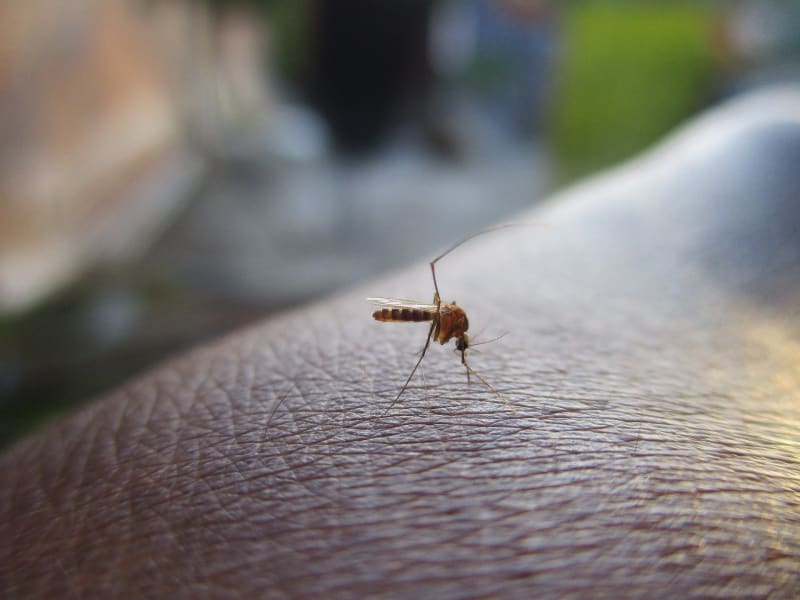
For two years, researchers released special male mosquitoes infected with Wolbachia bacteria across eight neighborhoods in the densely populated city. These males don't bite people, but when they mate with wild females, their eggs don't hatch. Over time, the mosquito population crashes.
The strategy worked even better than expected. Within months, wild female mosquito numbers dropped by 77%. More importantly, people living in treated areas were 70% less likely to get sick with dengue compared to neighborhoods without the releases.
Dengue affects millions worldwide each year. The virus causes severe flu-like symptoms and can lead to dangerous bleeding and organ failure. Traditional control methods like chemical sprays and removing standing water offer only temporary relief and can harm the environment.
The Wolbachia approach solves multiple problems at once. The bacteria naturally blocks dengue virus from replicating inside mosquitoes, making them unable to spread disease. Releasing males means fewer biting females over time, cutting transmission at the source.
Researchers tracked health records across 15 large residential areas during the trial. After six months of exposure to the Wolbachia mosquitoes, only 6% of residents tested positive for dengue, compared with 21% in control areas. The protection lasted up to 12 months.
The team published their findings in The New England Journal of Medicine, providing the first rigorous controlled trial data for this method. Previous smaller studies showed promise, but this citywide experiment proved the approach works at scale in real-world conditions.
The Ripple Effect
This breakthrough could transform disease control worldwide. Dengue cases have surged globally in recent years as climate change expands mosquito habitats. The same Aedes aegypti mosquitoes also spread Zika, chikungunya, and yellow fever.
Singapore plans to expand the program across more neighborhoods. Other tropical cities dealing with dengue outbreaks are watching closely. The method requires no genetic modification, uses naturally occurring bacteria, and targets only disease-carrying species without harming other insects.
The researchers believe this biological approach could work alongside vaccines and traditional methods to create comprehensive protection. Each weekly release costs less than managing dengue outbreaks in hospitals.
What started as a laboratory experiment has become a powerful new weapon against a disease that threatens half the world's population.
More Images
Based on reporting by Medical Xpress
This story was written by BrightWire based on verified news reports.
Spread the positivity!
Share this good news with someone who needs it